How does a sim free phone work? From inserting any compatible SIM to choosing flexible plans, SIM-free phones offer freedom and convenience. For low-income Americans, TAG Mobile’s Lifeline Program makes it easy to access affordable phones and service.
1. What Is a SIM-Free Phone? How Does A SIM Free Phone Work?
1.1. Definition & Key Features
A SIM-free phone is a mobile device sold without a SIM card or any carrier lock. This means it is not tied to a specific network, giving you the freedom to choose the carrier, plan, and SIM card that fits your budget. For low-income Americans, SIM-free phones can be a smart choice because they help avoid expensive long-term contracts and provide flexibility.
Key features of SIM-free phones include:
- Works with multiple carriers: You can pick the network with the best coverage or lowest cost, and switch carriers easily if needed.
- No contracts or monthly obligations: Avoid being locked into expensive long-term plans, which helps save money over time.
- Switch SIM cards anytime: Change SIM cards for travel, better coverage, or cheaper plans without restrictions.
- Potential long-term savings: Even though the phone may cost more upfront, choosing your own plan can save money in the long run.
1.2. SIM-Free vs Locked vs Unlocked Phones
It’s important to understand the difference between these types of phones:
- Locked Phones: Tied to one carrier. You cannot use a SIM from another provider unless you unlock the phone, which may cost extra or take time.
- Unlocked Phones: Can accept SIM cards from compatible carriers. Most SIM-free phones are also unlocked, giving you the freedom to change networks.
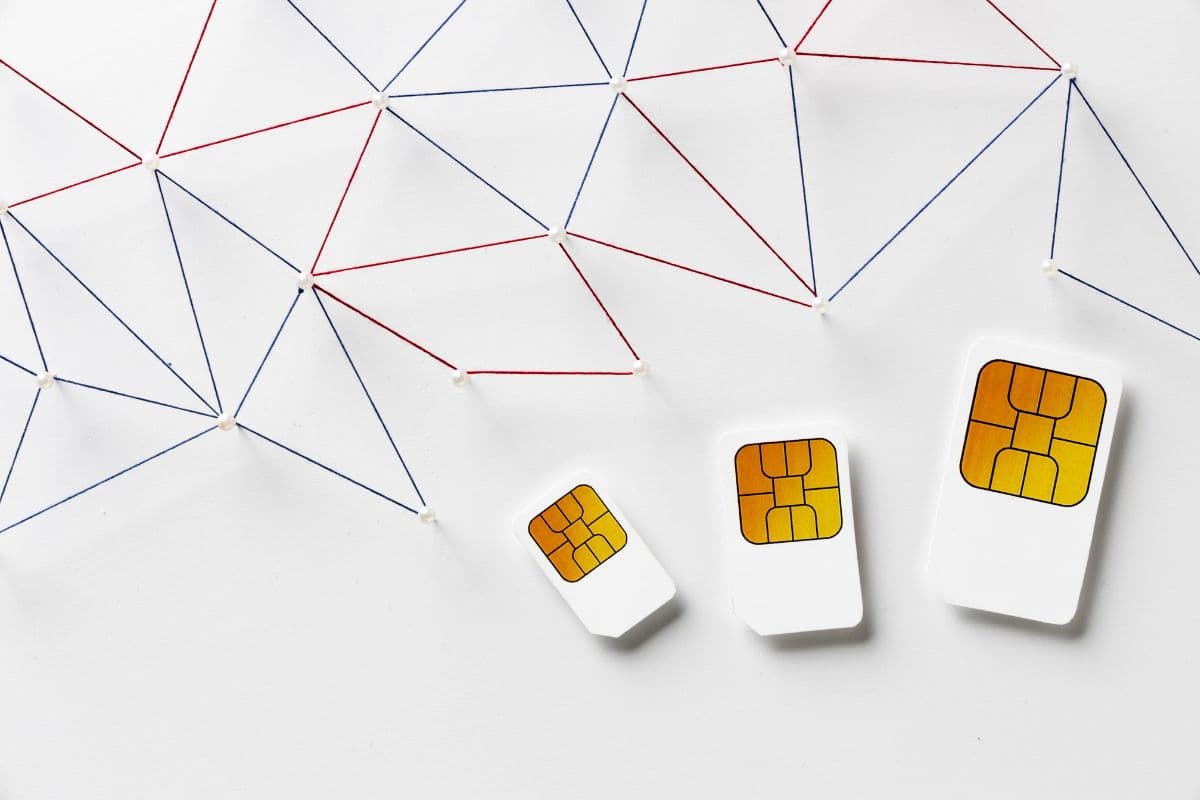
- SIM-Free Phones: Sold without a SIM card and usually unlocked. You can insert any compatible SIM, giving you full control over which carrier and plan to use.
1.3. Why People Choose SIM-Free
Many Americans choose SIM-free phones for the freedom and cost savings they provide.
For low-income users, pairing a SIM-free phone with affordable service options makes it easier to stay connected without breaking the budget. These phones let you:
- Avoid long-term contracts.
- Pick the network that works best for your location and budget.
- Travel abroad easily by using a local SIM card, avoiding high roaming fees.
- Save money long-term, especially when using prepaid or pay-as-you-go plans.
2. Pros and Cons of Using a SIM-Free Phone
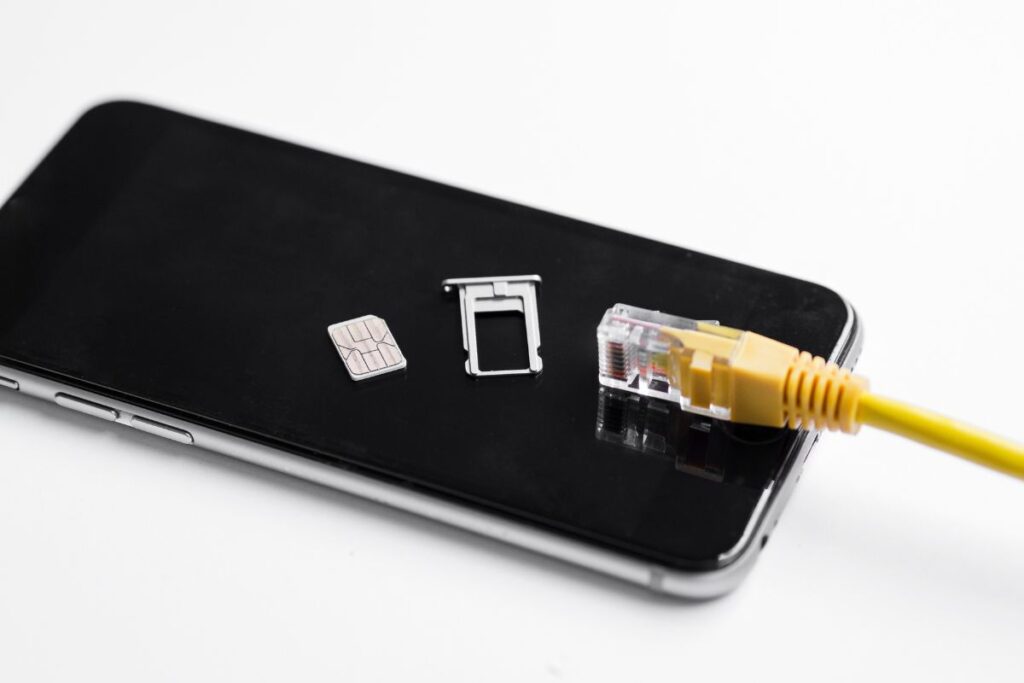
2.1. Advantages – Flexibility, No Contract Lock-In, Travel Friendly
Flexibility: A SIM-free phone lets you choose any SIM card and pick the mobile network that works best for you. Can you put any SIM card in a SIM free phone? Yes, most SIM-free phones are unlocked, so you can switch carriers freely. This flexibility helps you find the most affordable plan for your needs.
No Contract Lock-In: SIM-free phones are not tied to long-term contracts. You won’t face expensive cancellation fees, and you can switch plans or providers easily. This makes it easier to stay in control of your phone service and your budget.