In today’s digital age, staying connected is a necessity for work, education, and safety. For many low-income households, the cost of technology remains a significant barrier to bridging the digital divide. Fortunately, government-supported initiatives like the Lifeline Program provide essential low-income digital access by offering free or discounted telecommunications services. This guide explores how you can secure a free laptop and phone through available assistance programs.
1. Can You Get a Free Laptop and Phone at the Same Time?
Many residents wonder if they can receive both a free laptop and phone simultaneously through government support. While the programs are designed to provide affordable connectivity solutions, the availability of bundled offers depends on specific provider promotions and regional regulations.
1.1. What the Government Actually Offers
The primary federal support comes from the Lifeline Program, which focuses on providing monthly discounts for phone or internet service. While the government funds these Lifeline program benefits, it does not distribute hardware directly.
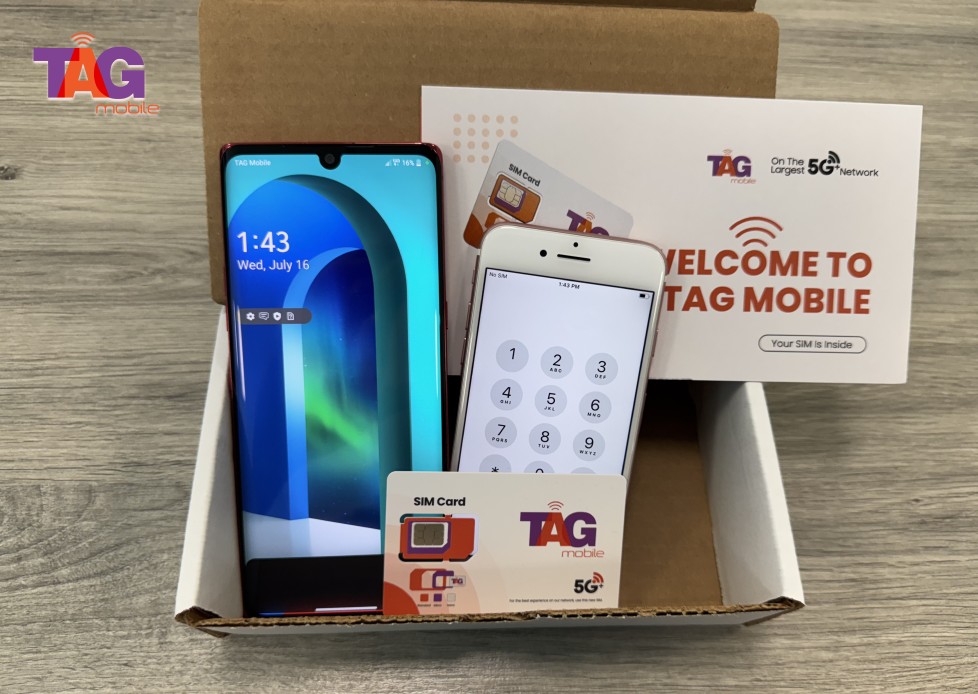
Instead, it partners with approved carriers like TAG Mobile and these authorized companies will deliver free smartphone and service to those in need.
1.2. Variations of Lifeline Benefits
Benefits can vary significantly between different carriers and geographical areas. Some providers might offer a free laptop and phone combo during special enrollment periods, while others focus solely on mobile devices. These regional variations mean that a resident in one state might receive different equipment than someone in another, even when using the same carrier. It is important to view these differences as a reflection of localized support rather than a limitation of the program itself.
2. How the Lifeline Program Helps You Get a Free Phone
The Lifeline Program is the cornerstone of low-income digital access in the United States. Subsidizing the cost of communication, it ensures that financial constraints do not prevent individuals from accessing healthcare, jobs, or emergency services.
2.1. What Lifeline Covers for Phone Service
Qualified participants typically receive a monthly plan that includes free talk, text, and a designated amount of data. These affordable connectivity solutions allow users to stay in touch with family and manage daily responsibilities without the burden of a monthly bill.
2.2. Types of Free Devices You May Receive
Through carriers like TAG Mobile, eligible individuals can often receive a free smartphone. These devices are usually reliable, entry-level smartphones that support modern applications. While discounted tablet offers or laptop bundles are sometimes available, they are often in high demand and may sell out quickly. It is always best to check current inventory with your provider to see what devices are presently available for your area.
3. Ways Low-Income Americans Can Get a Free or Low-Cost Laptop
While the Lifeline Program primarily targets phone service, other avenues exist for those specifically seeking a free laptop and phone setup for educational or professional growth.
3.1. Nonprofit and Charity Laptop Programs
Numerous nonprofit organizations focus on bridging the digital divide by refurbishing donated technology for low-income individuals. Organizations like PCs for People or EveryoneOn work to provide affordable connectivity solutions by offering deeply discounted or free laptops to those who meet certain income criteria.
3.2. School and Educational Laptop Assistance
For students, many school districts and universities have established government transition programs to ensure every learner has the necessary tools for success. If you are enrolled in school, contact your financial aid office or district administrator to ask about laptop loaner programs or grants for technology.
4. Who Qualifies for Free Phone and Laptop Assistance
Eligibility for a free laptop and phone through government-supported programs is generally determined by two main factors: participation in federal assistance programs or total household income.