Free Food Near Me: 12 Ways to Find Free Meals & Groceries
Keeping up with grocery expenses is not always easy, especially when rent, utilities, and other essentials take priority. Fortunately, many communities have food assistance program...
Quincy D.-Nov 24, 2026
Image by Unsplash
Table of Contents
Keeping up with grocery expenses is not always easy, especially when rent, utilities, and other essentials take priority. Fortunately, many communities have food assistance programs designed to help individuals and families access groceries and prepared meals at little or no cost.
If your budget is stretched, free food near me may be a useful starting point for finding local support. But which resources are available, and what should you know before visiting?
1. Where Can I Get Free Food Near Me Today?
Food assistance is available through more than traditional grocery pantries.
Depending on your location and immediate needs, you may find take-home groceries, freshly prepared meals, community food-sharing programs, or services designed for specific groups.
Local Food Pantries
Feeding America connects people with local food banks, food pantries, soup kitchens, and meal programs. Inventory changes with donations and delivery schedules, so available items can vary from week to week.
What you may get: Canned goods, rice, pasta, produce, dairy, and frozen foods
Best for: Households needing several days of groceries
Soup Kitchens
Soup kitchens serve prepared meals at scheduled times, usually without requiring visitors to cook or store food afterward. They can be especially helpful when the question is where can I get free food today near me and there is an immediate need for something to eat.
Many locations focus on quick access and may have simpler intake requirements than grocery distribution programs.
What you may get: Hot meals, drinks, bread, or snacks
Best for: People who need something ready to eat the same day
Community Fridges
Community fridges are shared refrigerators or pantry spaces stocked with donated food that people can take at no cost. They are often placed in accessible neighborhood locations and may operate with few or no formal eligibility requirements.
What you may get: Produce, bread, packaged foods, and prepared items
Best for: People looking for quick, low-barrier access
Mobile Food Pantries
Mobile food pantries bring grocery distributions directly into neighborhoods using trucks or temporary pickup sites. They are especially useful in areas where permanent pantry locations are limited or transportation can be difficult.
What you may get: Produce, pantry staples, dairy, and frozen items
Best for: Communities with limited access to traditional distribution sites
Churches and Faith-Based Organizations
Churches and other faith-based groups often run pantry programs, meal services, and emergency grocery distributions for local residents. Many assist people regardless of religious affiliation, although schedules and service areas can differ.
What you may get: Grocery bags, boxed meals, or emergency supplies
Best for: People seeking nearby community-based support
Community Centers
Community centers may combine grocery assistance with family services, senior programs, meal events, and referrals to other local resources. Availability depends on the center, neighborhood, and current funding.
What you may get: Groceries, prepared meals, or resource referrals
Best for: Families who may need several types of support in one place
Programs vary by location, so checking current hours and requirements before visiting is important.
What you may get: Grocery packages, pantry staples, or prepared meals
Best for: Individuals and families facing short-term hardship
School Meal Programs
The USDA’s school meal programs provide free or reduced-price breakfasts and lunches to eligible students, while some schools offer meals more broadly. Certain districts may also provide take-home food for weekends or school breaks.
What you may get: Breakfast, lunch, and sometimes take-home meals
Best for: School-age children and qualifying households
Summer Meal Programs
The USDA Summer Meals Program helps children continue receiving nutritious food when regular school meals are unavailable.
Meals are commonly served at schools, libraries, parks, recreation centers, and other approved community locations.
What you may get: Breakfast, lunch, snacks, or multiple meals
Best for: Children and teenagers during summer vacation
Senior Nutrition Programs
The Administration for Community Living’s Senior Nutrition Program supports older adults through community dining sites, senior centers, and home-delivery services. Some programs prioritize people with limited mobility, low income, or difficulty preparing meals independently.
What you may get: Prepared meals and nutrition support
Best for: Older adults who need regular meal assistance
Community Food Giveaways
Community giveaways are often organized by nonprofits, neighborhood groups, businesses, or civic organizations. These events may happen weekly, monthly, seasonally, or during emergencies, with supplies usually distributed while available.
What you may get: Grocery boxes, produce, holiday food, or meal kits
Best for: Households needing occasional supplemental groceries
Local Mutual Aid Groups
Mutual aid groups allow neighbors to share groceries, prepared meals, and household essentials directly with one another. For anyone still wondering where to get free food near me, local community networks can provide another avenue for finding immediate help.
Support is often informal and community-led, making it flexible and responsive to urgent local needs.
What you may get: Food, meals, groceries, or household essentials
Best for: People seeking flexible neighborhood-level assistance
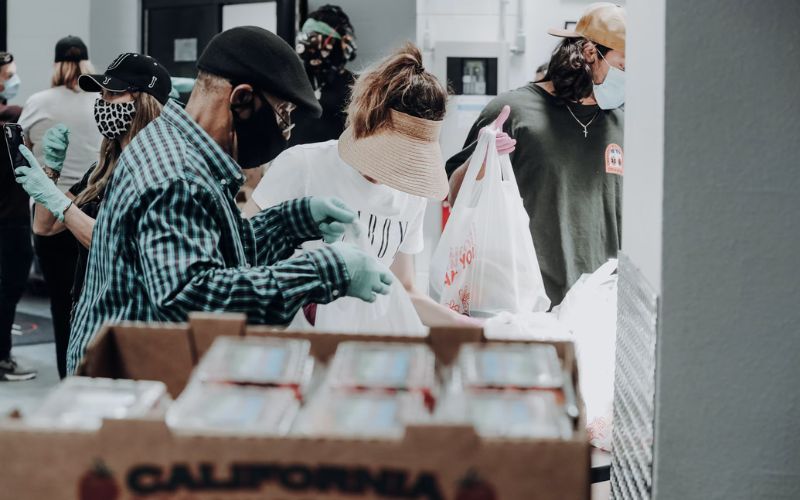
Find nearby food pantries, free meal programs, and community food resources. (Image by Unsplash)
2. 6 Free Tools to Find Food Assistance Near You
Reliable directories can save time when local pantry hours, eligibility rules, or distribution schedules are hard to track down.
If you are trying to figure out how to get free food near me, these tools can help you locate nearby groceries, meal sites, and emergency assistance more efficiently.
Feeding America
Feeding America offers a nationwide locator that connects users with regional food banks and partner agencies.
Entering your ZIP code can help identify nearby pantries, mobile distributions, and other food programs, making it a useful starting point for households seeking established local assistance.
Food Finder
FoodFinder helps users search for nearby food pantries and distribution sites based on location.
Listings may include addresses, operating hours, contact details, and service information, allowing you to compare available options before traveling to a pickup site.
211
Calling 211 can connect you with community resources for groceries, meals, housing, utilities, and other urgent needs.
Specialists may help identify nearby food pantries, distribution events, and emergency programs that are currently serving residents in your area.
USDA National Hunger Hotline
The USDA National Hunger Hotline helps people locate food assistance and nutrition resources across the United States.
Call 1-866-348-6479 to ask about nearby meal programs, food pantries, and other support options available in your community.
USAGov
USAGov provides official information about federal and state benefit programs that may help with food costs. It can guide users toward SNAP, WIC, school meals, senior nutrition services, and other assistance programs based on their circumstances.
Local Government and Community Resource Directories
USA.gov’s local government directory can help users find city, county, and state websites that maintain directories of food pantries, meal sites, and emergency assistance programs.
Local libraries, community centers, and nonprofit networks may also publish updated lists, making these sources especially useful when national directories do not show smaller neighborhood programs.
3. Surprising Free Benefits You May Be Eligible For
Grocery assistance can lower one major household expense, but other programs may help stretch the budget even further. Lifeline, for example, is a federal benefit that makes phone or internet service more affordable for eligible households.
TAG Mobile is an Eligible Telecommunications Carrier (ETC) offering Lifeline-supported wireless service to qualifying consumers. Along with monthly service benefits that may include unlimited talk and text and high-speed data, TAG Mobile also offers free or discounted devices through separate promotions, with pricing and availability depending on ZIP code, eligibility, and inventory.
Device choices range from simple everyday smartphones to larger-screen tablets and more capable models. Here are several options currently featured through TAG Mobile:
TCL K23: Features a 6.5-inch HD+ display, 32GB storage, 3GB RAM, expandable storage, 4G LTE connectivity, and a practical camera setup for everyday use.
iPhone 7: Includes a 4.7-inch Retina HD display, 12MP rear camera, Touch ID, A10 Fusion chip, and a compact design suited to basic calling, messaging, and apps.
iPhone 13: Offers a 6.1-inch Super Retina XDR OLED display, A15 Bionic chip, dual 12MP cameras, 5G connectivity, Face ID, and strong everyday performance.
Nokia C300: Provides a 6.52-inch HD+ display, Snapdragon processor, 32GB storage, 13MP triple rear camera system, 8MP front camera, and 4,000mAh battery.
TCL 20 XE: Combines a 6.52-inch display, 32GB storage, 3GB RAM, 13MP main camera, 5,000mAh battery, and expandable storage for everyday Android use.
Samsung Galaxy Tab A7 Lite: Features an 8.7-inch display, 32GB storage, microSD expansion, 8MP rear camera, dual speakers, and a 5,100mAh battery for browsing and media.
Google Pixel 3: Includes a 5.5-inch OLED display, Snapdragon 845 processor, 12.2MP rear camera with optical stabilization, dual front cameras, and a compact premium design.
CAT S62: Built for tougher environments with a 5.7-inch FHD+ display, 128GB storage, 4,000mAh battery, Gorilla Glass protection, and water-, dust-, and drop-resistant construction.
Google Pixel 3a: Provides a 5.6-inch OLED display, 12.2MP rear camera, 64GB storage, fingerprint security, and Google’s streamlined Android experience in a lightweight design.
REVVLRY+: Offers a 6.2-inch Full HD+ display, 64GB storage, 4GB RAM, 16MP main camera, fingerprint reader, fast charging, NFC, and expandable storage.
Free or discounted device offers are separate from the Lifeline benefit itself and can change by location, eligibility, inventory, and current TAG Mobile promotions.
Note: Eligibility varies by state and program. Offers depend on availability and qualifications. TAG Mobile operates under the federal Lifeline Program as an Eligible Telecommunications Carrier (ETC). Service is non-transferable and limited to one service per household.
4. FAQs about Free Food Near Me
Access rules, schedules, and delivery options can differ from one organization to another, so it helps to know what to expect before you go. These common questions cover some of the most practical concerns families have when looking for local meal and grocery support.
Are there places that give away free hot meals every day?
Yes, some soup kitchens, shelters, churches, and community meal programs serve free hot meals daily. Availability depends on the location, staffing, and schedule, so checking meal times before visiting is a good idea.
Can I get free groceries without proof of income?
Often, yes. Many food pantries provide groceries with little or no formal income verification, although some may ask for identification, proof of address, or basic household information.
Where can families get free food on weekends?
Weekend assistance may be available through churches, community centers, mobile distributions, school-related programs, and local pantries. Calling 211 or checking trusted local directories can help identify Saturday or Sunday options.
Can food banks deliver free groceries to my home?
Some food banks and partner organizations offer home delivery, especially for seniors, people with disabilities, or households facing transportation barriers. Delivery availability, service areas, and eligibility rules vary by program.
No household should have to face food shortages without knowing where to turn for help. Whether you need groceries, prepared meals, or emergency food support, free food near me can lead you to community resources that fit your circumstances. Check each program’s eligibility rules and distribution schedule to make the most of the assistance available.
For additional ways to ease monthly expenses, eligible SNAP recipients can also look into Lifeline through TAG Mobile and find more helpful support guides on the TAG Mobile blog.
Share
TAG Blog
Stories, guides, and helpful updates for staying connected.