Free diapers with Medicaid may be available for children and adults when medically necessary, depending on state rules. Coverage often includes incontinence supplies prescribed by a doctor. This guide from TAG Mobile explains eligibility, coverage limits, and how families can access diaper support while staying connected through Medicaid-approved programs.
1. Does Medicaid Cover Free Diapers?
Yes. Medicaid may cover diapers and incontinence supplies at no cost for both children and adults when they are medically necessary and prescribed by a healthcare provider. Coverage is often available through pediatric benefits, EPSDT services for children, or waiver programs and managed care plans for adults with medical needs.
Many parents also ask, Does Medicaid give you free baby stuff? While Medicaid doesn’t provide general baby items, it may help cover essentials like diapers when there’s a documented medical need. Because rules vary by state, staying connected makes it easier to check benefits, submit documentation, and follow up on approvals.
Having reliable phone access through providers like TAG Mobile can help you stay in touch with doctors, Medicaid offices, and suppliers when arranging covered diaper support.
2. What Kind Of Diapers Does Medicaid Cover?

There is a wide range of free diapers with Medicaid and incontinence supplies when they are medically necessary, but covered items and limits vary by state. This also answers a common question: What free stuff can you get with Medicaid?. Diaper supplies can be an important benefit for families and caregivers. Common diaper and incontinence products Medicaid may cover include:
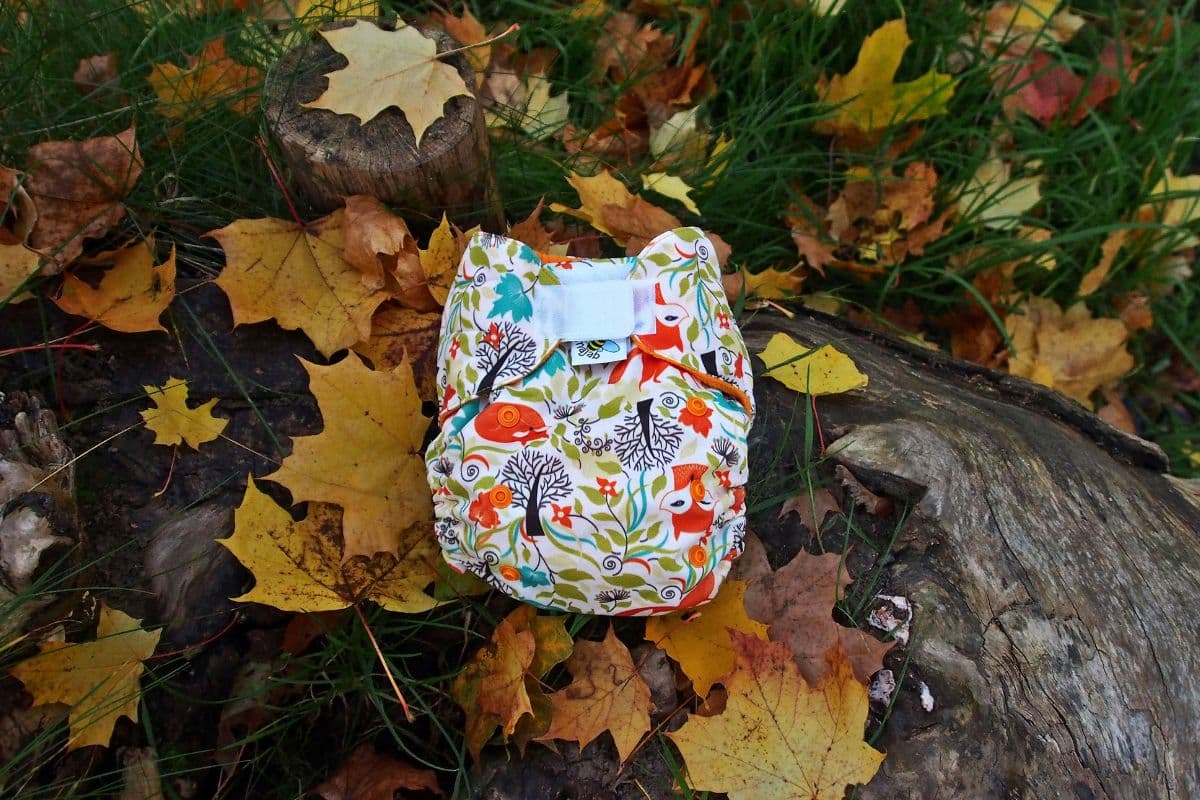
- Diapers: Disposable diapers for babies, toddlers, children, and adults may be covered. Some states group diapers and briefs together, while others separate them, with monthly quantity limits that can vary by age and medical need.
- Briefs (Tabbed or Taped): Adult and youth briefs with tape, Velcro fasteners, or elastic waistbands are often covered. These include unisex options in multiple sizes designed for moderate to heavy incontinence.
- Pull-ups / Pull-ons: Underwear-style pull-ons with closed sides may be covered, though some states apply age restrictions or require participation in a toilet-training program.
- Pads & Pant Liners: Pads, pant liners, guards, and shields used inside regular underwear are commonly covered for lighter incontinence needs.
- Booster Pads: Booster pads can be placed inside diapers, briefs, or pull-ons to increase absorbency and manage heavier leakage.
- Additional Related Supplies: Depending on the state, Medicaid may also cover disposable underpads (bed pads) and disposable gloves for hygiene and caregiving.
Note: Wipes and cleansing cloths are generally not covered by Medicaid and must be purchased separately.
>>> Read More: Free Stuff With Medicaid: What You Can Really Get Today
3. How Medicaid Families Can Stay Connected With a Free Phone
Staying connected is essential for families using Medicaid to manage benefits, healthcare appointments, and community support programs. Through the Lifeline program, eligible households can access affordable phone services and, in many cases, a free phone with Medicaid from trusted providers like TAG Mobile.
Lifeline Benefits for Medicaid Households
The Lifeline program offers discounted or free monthly phone service to low-income households, including those enrolled in Medicaid. While Lifeline itself provides the service benefit, Lifeline providers like TAG Mobile may also offer a device at no upfront cost to help families stay connected. This support makes it easier to receive calls, texts, and important updates related to Medicaid benefits.
TAG Mobile is a participating wireless provider in the federal Lifeline program. The company helps eligible low-income households access discounted phone service and, in some cases, a complimentary device through an online application process. The process of applying through TAG Mobile includes the following steps: