Free Car Repair for Low-Income Families: Programs and Local Help to Check
Unexpected car repairs can strain a tight household budget, especially when a vehicle is essential for work, school, healthcare, or childcare. Free car repair for low-income famili...
Quincy D.-Sep 27, 2026
Photo by TAG Mobile
Table of Contents
Unexpected car repairs can strain a tight household budget, especially when a vehicle is essential for work, school, healthcare, or childcare. Free car repair for low-income families may be available through nonprofits, charities, churches, local agencies, and assistance programs. Eligibility, covered repairs, funding, and availability vary, so families should check local options and required documents before they apply.
1. What Can Free Car Repair Programs Actually Cover?
Free or subsidized car repair programs usually focus on essential fixes that keep a vehicle safe, roadworthy, and usable for work, school, medical appointments, or other necessary travel.
Safety & Reliability Repairs: Assistance may cover critical repairs involving brakes, steering, tires, suspension, batteries, or engine components needed to keep the vehicle operating safely.
Emissions & Smog Compliance: Some state or local clean-air programs help pay for emissions-related repairs when a vehicle fails inspection and needs approved work to meet legal standards.
Partial Costs & Labor: Nonprofit garages may provide free or reduced-cost labor while the vehicle owner pays for parts or a small copay. Cost-sharing rules vary by program and repair type.
Vouchers & Grants: Community action agencies, charities, and local nonprofits may offer repair vouchers or limited grants paid directly to participating mechanics. Funding amounts and eligible repairs depend on local resources.
2. 8 Free and Low-Cost Car Repair Programs for Low-Income Families
Unexpected repair bills can put work, school, and medical appointments at risk when a household depends on one vehicle. These programs approach the problem differently, offering discounted repairs, grants, safety fixes, referral-based assistance, or access to affordable transportation.
The Lift Garage
The Lift Garage serves eligible low-income Minnesota residents with free vehicle inspections and reduced-cost repairs focused on safety and drivability. Beginning July 2026, qualifying customers pay $28 per labor hour plus a 10.5% fee on parts.
Household income must generally be at or below 150% of the Federal Poverty Guidelines. Proof can include recent pay stubs, EBT or WIC documentation, Medicaid records, SSI/SSDI letters, or verification from a caseworker.
Wheels of Success
Wheels of Success helps low- and moderate-income working families in the Tampa Bay area maintain dependable transportation. Services include automotive repairs, preventive maintenance, car-care education, and vehicle replacement when appropriate.
Support is geared toward applicants whose employment stability depends on transportation. Rather than offering identical assistance to everyone, the organization evaluates eligibility and need, then provides repair or vehicle-related help through its broader transportation program.
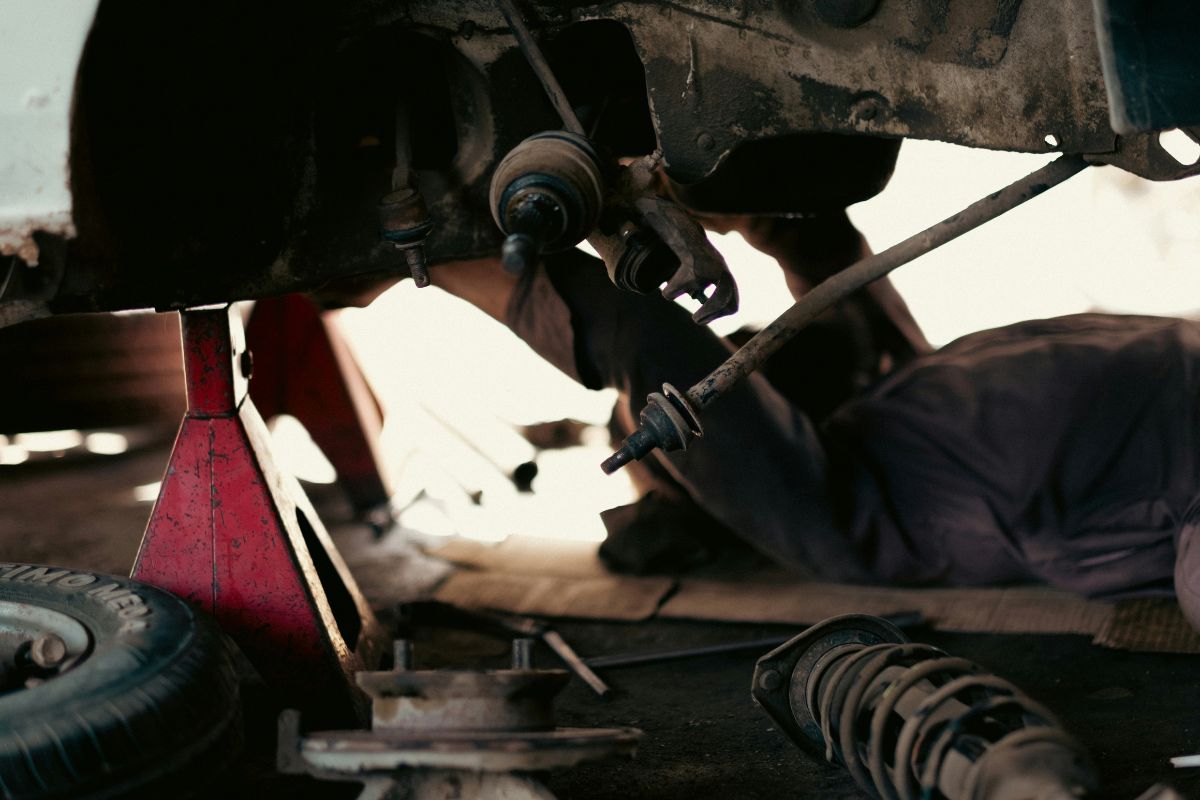
Unexpected repair bills can put work, school, and medical appointments at risk when a household depends on one vehicle. (Image by Unsplash)
Modest Needs
Modest Needs provides short-term financial assistance designed to help working households handle unexpected expenses that could otherwise trigger a larger financial crisis. For those searching for free car repair for low-income families, eligible applicants may request support for certain transportation-related expenses when they meet current grant rules.
Funding is not an automatic free-repair benefit, and applicants must document the expense and financial circumstances. Anyone seeking car-repair help should review current Self-Sufficiency Grant eligibility carefully before applying and confirm whether the repair qualifies.
Project Taillight
Project Taillight is a City of Columbus program that provides free vehicle safety repairs to qualifying lower-income residents. Covered work can include repairs needed to address safety-related equipment problems and help drivers avoid citations while keeping vehicles roadworthy.
Demand is currently high, and the city has paused new applications while existing requests are processed. Qualified Columbus residents should monitor the official program page for reopening updates rather than assuming enrollment is continuously available.
Good News Garage
Good News Garage primarily uses donated vehicles to improve transportation access for lower-income individuals and families in New England. Its programs refurbish donated cars for eligible recipients and provide transportation services rather than functioning as a general walk-in repair shop for privately owned vehicles.
This distinction matters when comparing repair resources. Families who need help keeping an existing car on the road should verify current local offerings, while those facing broader transportation barriers may find Good News Garage’s vehicle-placement or ride programs more suitable.
Vehicles for Change
Vehicles for Change operates transportation programs that include affordable vehicles for qualifying working families and community-based repair services through Full Circle Auto Repair. Repair centers handle services ranging from oil changes to brake, tire, and other maintenance work.
Not every repair is free, and eligibility or pricing depends on the specific service or program. Families should contact the organization directly to determine whether discounted repairs, vehicle assistance, or another transportation option is currently available in their area.
Community Action Agencies
Community Action Agencies often connect low-income households with transportation assistance funded through local, state, federal, or charitable sources. Depending on the agency, support may include repair vouchers, emergency assistance, referrals to partner mechanics, or free car repair programs for low-income families tied to employment and self-sufficiency initiatives.
Benefits vary substantially by county, so there is no single national car-repair package. Contacting the nearest Community Action Agency and explaining that a repair is necessary for work, school, healthcare, or childcare can help identify locally funded options.
Church and Faith-Based Car Care Programs
Faith-based ministries can be another source of free car repair for low-income families, with assistance such as free labor, discounted repairs, parts support, or emergency transportation help. Programs are usually local and depend heavily on volunteer mechanics, donations, partner garages, and available funding.
For example, His Hands Auto Repair Ministry serves at-risk residents with automotive support, while No Need Garage in Florida provides donated repair labor and currently prioritizes households with children in Hillsborough County.
3. How to Find Free Car Repair for Low Income Families Near Me?
Local repair assistance is easier to find when the search starts with organizations that already serve your area. City programs, Community Action Agencies, 211 referrals, workforce offices, faith-based groups, and partner garages can all lead to different forms of help.
Step 1: Search Your City and County First
Start with official city and county websites and look for transportation assistance, emergency aid, vehicle repair grants, or free car repair for low-income families. Local governments sometimes fund short-term repair help directly or through nonprofit partners.
Use specific search terms such as “car repair assistance,” “transportation grant,” or “vehicle repair help” plus your city or county name. Check current eligibility and funding status before applying.
Step 2: Find Your Local Community Action Agency
Community Action Agencies often coordinate assistance for low-income households facing employment, transportation, utility, or housing problems. Some locations offer repair vouchers, emergency funds, or referrals to mechanics that work with local assistance programs.
Contact the agency serving your county and explain why the vehicle repair is essential. Mentioning work, school, childcare, or medical transportation needs can help staff identify the most relevant program.
Step 3: Call 211
Calling 211 can quickly connect you with nearby nonprofits, charities, transportation programs, and emergency financial assistance. Referral specialists use your location and situation to identify services that may currently accept applications.
Ask specifically about car repair grants, mechanic vouchers, transportation ministries, or employment-related vehicle assistance. Since local funding changes frequently, 211 can uncover options that may not rank prominently in online searches.
Step 4: Search for Local Car Ministries
Churches and faith-based organizations sometimes operate car ministries that provide free labor, discounted repairs, donated parts, or help with urgent safety problems. These services are usually small and highly local.
Search for terms such as “car ministry,” “auto repair ministry,” or “church car repair assistance” alongside your city. Contact each program directly because service areas, repair types, and applicant requirements vary.
Step 5: Contact Workforce Programs
Workforce development agencies may offer transportation assistance when a working vehicle is necessary to keep a job, attend training, or accept employment. Support can include repair funds, mileage help, transit assistance, or referrals to partner organizations.
Reach out to your local American Job Center or workforce office and explain how the repair affects employment. Eligibility may depend on income, program enrollment, or participation in approved training.
Step 6: Ask Local Repair Shops About Charity Partnerships
Independent repair shops sometimes work with churches, nonprofits, veterans’ groups, or community organizations that sponsor repairs for qualifying customers. Staff may know about local assistance even when the shop does not advertise it publicly.
Call several nearby garages and ask whether they accept nonprofit vouchers, offer hardship discounts, or participate in charitable repair programs. Written estimates can also help when applying for outside funding.
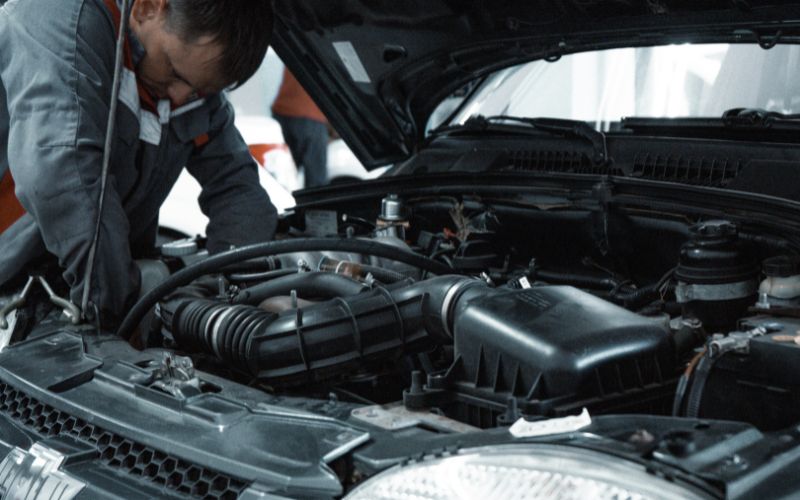
Search local agencies, 211, nonprofits, and partner garages for free or low-cost car repair assistance. (Image by Unsplash)
4. How Can Mobile Services Keep Special Needs Families Connected to Providers?
Care coordination often depends on quick access to doctors, therapists, schools, pharmacies, benefit agencies, and emergency contacts. Affordable mobile service can make those conversations easier to manage without adding another heavy monthly expense.
TAG Mobile is a U.S. wireless provider and Eligible Telecommunications Carrier that offers Lifeline-supported service to qualifying households. Many families choose TAG Mobile because its plans can combine the federal service benefit with practical provider-specific features, including free or discounted devices depending on location and current availability.
TAG Mobile plans can include several communication features that support everyday care management. Exact benefits vary by state, so families should review the offer available for their ZIP code.
Up to 16GB of free data for telehealth, patient portals, school apps, email, and online benefit forms.
Unlimited talk and text for communicating with providers, teachers, caseworkers, and family members.
Free international calling to more than 200 countries and territories.
Free or discounted smartphones for eligible customers, subject to location, inventory, and current promotions.
Free delivery plus useful calling tools such as voicemail, caller ID, call waiting, and 3-way calling.
Lifeline applicants generally qualify in one of two ways:
Income-based eligibility: Household income is at or below 135% of the Federal Poverty Guidelines.
Program-based eligibility: Participation in SNAP, Medicaid, SSI, Federal Public Housing Assistance, Veterans Pension or Survivors Benefit, or certain Tribal programs can establish eligibility.
See if you qualify for Lifeline, and apply through TAG Mobile to claim the best free phone and plan.
Note: Eligibility varies by state and program. Offers depend on availability and qualifications. TAG Mobile operates under the federal Lifeline Program as an Eligible Telecommunications Carrier (ETC). Service is non-transferable and limited to one service per household.
5. FAQs about Free Car Repair for Low-Income Families
Repair assistance can look very different depending on the organization, location, and type of work the vehicle needs. These answers clarify what may be covered, whether multiple funding sources can be used, and how repair grants typically work.
Can I get free brakes or tires if I have low income?
Possibly. Some nonprofits, faith-based repair programs, workforce agencies, and local assistance programs may cover safety-related repairs such as brakes or tires when funding is available. Eligibility and covered services vary by organization.
Can I combine two programs to pay for one repair?
Sometimes. One program may cover labor while another helps with parts or a remaining balance, but both organizations must allow combined funding. Always confirm the rules before authorizing repairs.
Are there car repair grants for low-income families?
Yes, some local charities, community action agencies, workforce programs, and nonprofit organizations offer grants, vouchers, or direct payments for essential vehicle repairs. Funding is usually limited and may depend on income, employment needs, location, and available resources.
Final Thoughts
Car repair costs do not always have to become an overwhelming expense when community assistance is available. Free car repair for low-income families may help eligible households keep essential transportation safe and reliable through charities, nonprofits, and local programs.
Check requirements and availability early, as funding may be limited. Qualifying households may also use TAG Mobile’s Lifeline-supported service to help reduce monthly phone costs.
Share
TAG Blog
Stories, guides, and helpful updates for staying connected.