Food That Starts With O: 40+ Foods, Flavors, and Fun Discoveries
Every letter has its own culinary surprises, but O brings an especially interesting mix of everyday staples and international specialties. Think creamy oatmeal, briny oysters, and...
Quincy D.-Nov 18, 2026
Image by Unsplash
Table of Contents
Every letter has its own culinary surprises, but O brings an especially interesting mix of everyday staples and international specialties. Think creamy oatmeal, briny oysters, and Japanese onigiri, each offering something distinct in flavor and tradition.
This guide introduces 40+ examples of food that starts with O, highlighting familiar ingredients and regional dishes worth adding to your culinary vocabulary.
1. Food That Starts With O: 40+ Dishes for Every Craving
Some O foods are everyday kitchen essentials, while others reflect generations of culinary creativity across different cultures.
The following selection features a variety of foods, from fresh produce to savory meals and sweet treats, with a quick look at what makes each one special.
Oatmeal
Warm, creamy oats cooked with milk or water create a comforting breakfast that is easy to customize.
Fresh fruits and nuts add extra flavor and texture, making oatmeal suitable for both simple and hearty morning meals.
Protein: Provides plant-based protein from oats, with additional protein from milk or nuts.
Health benefits: Contains beta-glucan soluble fiber, which can help support healthy cholesterol levels.
Oats
Various oat varieties bring a mild, nutty flavor to breakfast bowls, granola, and baked goods.
Their versatility makes them a popular whole-grain ingredient in both sweet and savory recipes.
Protein: Provides moderate amounts of plant-based protein.
Health benefits: Supplies soluble fiber that supports digestive health and healthy cholesterol levels.
Oranges
Juicy citrus segments offer a refreshing balance of sweetness and acidity.
As a vibrant food that starts with O, enjoy oranges fresh, squeeze them into juice, or add them to salads, desserts, and marinades for a bright citrus flavor.
Protein: Contains minimal amounts of plant-based protein.
Health benefits: Rich in vitamin C and provides fiber when eaten whole.
Olives
Briny, buttery, and sometimes pleasantly bitter, olives are staples of Mediterranean cooking. Cured varieties add distinctive flavors to salads, pizzas, and appetizer platters.
Protein: Contains minimal amounts of plant-based protein.
Health benefits: Provides monounsaturated fats and antioxidant compounds, although cured olives can be high in sodium.
Olive Oil
Fruity aromas and a smooth, rich texture make olive oil a favorite for salad dressings, roasted vegetables, and Mediterranean dishes.
Extra-virgin olive oil is particularly valued for its distinctive flavor and naturally occurring plant compounds.
Protein: Contains no protein.
Health benefits: Rich in monounsaturated fats, which can support heart-healthy eating patterns when replacing saturated fats.
Okra
Tender green pods develop a distinctive silky texture when simmered, making okra a popular ingredient in regional stews and curries.
Roasting or frying can create a firmer texture with lightly crisp edges.
Protein: Provides small amounts of plant-based protein.
Health benefits: Supplies fiber, folate, and vitamin C to support overall nutrition.
Onions
Few ingredients transform a dish as dramatically as onions. Their sharp raw flavor becomes mellow and naturally sweet when caramelized, adding depth to soups and sauces.
Protein: Contains small amounts of plant-based protein.
Health benefits: Provides fiber and antioxidant plant compounds, including quercetin.
Omelet
Fluffy eggs folded around fillings create a versatile meal for breakfast, lunch, or dinner.
Among the many options for food that starts with O, omelets stand out for their flexibility, with fillings that can be adjusted to different tastes and nutritional needs.
Protein: Rich in complete animal protein from eggs.
Health benefits: Supplies choline, vitamin B12, and selenium, while vegetable fillings can add fiber.
Oysters
Fresh oysters have a delicate, briny flavor and soft texture that reflect their coastal origins.
They can be prepared in various ways, offering a distinctive alternative to more familiar shellfish.
Protein: Provides high-quality seafood protein.
Health benefits: Rich in zinc and vitamin B12. Cooking thoroughly helps reduce foodborne illness risks.
Octopus
Popular throughout Mediterranean and Asian cuisines, octopus develops a pleasantly tender yet slightly chewy texture when prepared correctly.
Grilling adds smoky depth, while slow cooking helps soften its naturally firm flesh.
Protein: Rich in high-quality seafood protein.
Health benefits: Provides vitamin B12, iron, and selenium, with relatively little fat when prepared without heavy sauces.
Oregano
Earthy, peppery aromas make oregano an essential herb in Mediterranean and Mexican-inspired cooking.
Herb leaves add wonderful flavor to tomato sauces and various savory dishes.
Protein: Provides negligible protein in typical culinary servings.
Health benefits: Contains antioxidant plant compounds and adds flavor without requiring extra salt.
Orzo
Despite its rice-like appearance, orzo is a small pasta traditionally made from wheat.
Its delicate shape absorbs flavorful broths and sauces, making it especially useful in soups, salads, and creamy side dishes.
Protein: Provides plant-based protein from wheat.
Health benefits: Supplies carbohydrates for energy, while whole-wheat varieties offer additional fiber.
Onion Rings
Crispy golden batter surrounding tender onion slices makes onion rings a familiar restaurant favorite.
For anyone exploring fast food that starts with O, this popular side dish is a recognizable choice at burger chains and casual dining spots.
Protein: Provides small amounts from onions, flour, and batter ingredients.
Health benefits: Onions contain beneficial plant compounds, although deep-frying increases fat and calorie content.
Orange Chicken
Sticky, sweet, and tangy orange sauce coats crispy chicken pieces in this Chinese-American restaurant favorite.
Its citrus-inspired flavor pairs well with steamed rice and stir-fried dishes.
Protein: Provides complete animal protein from chicken.
Health benefits: Supplies protein and B vitamins, although breading and sweet sauces can increase fat, sugar, and sodium.
Onigiri
Compact Japanese rice balls wrapped in nori often feature savory fillings such as tuna, salmon, or pickled plum.
Their convenient shape makes them popular for packed lunches and quick snacks.
Protein: Varies depending on fillings, particularly fish or other protein-rich ingredients.
Health benefits: Provides carbohydrates for energy, while seafood fillings can contribute omega-3 fats and vitamin B12.
Okonomiyaki
Cabbage, eggs, flour, and savory toppings come together in this popular Japanese pancake.
Often finished with sauce, mayonnaise, and bonito flakes, okonomiyaki delivers a satisfying combination of tender vegetables and rich umami flavors.
Protein: Provides protein from eggs and optional seafood, pork, or other toppings.
Health benefits: Cabbage contributes fiber and vitamin C, although sauces may add sugar and sodium.
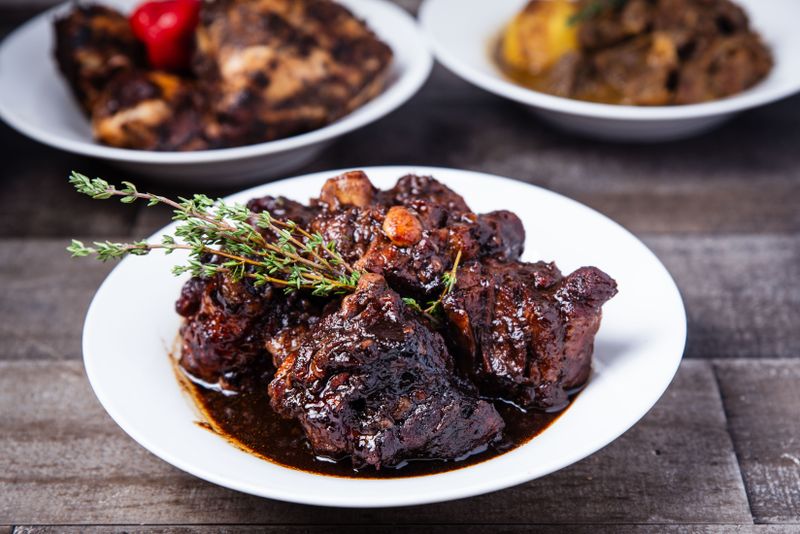
Oxtail Stew
Slow simmering transforms oxtail into tender meat surrounded by a deeply savory broth.
Caribbean-style versions often feature beans, herbs, vegetables, and warming spices that create a rich, comforting meal.
Protein: Rich in animal protein from beef.
Health benefits: Supplies iron, zinc, and vitamin B12, although fatty portions can be high in saturated fat.
What is a food that starts with the letter O? Oxtail stew is a nutritious, high-protein food. (Image by Pexels)
Ossobuco
Tender veal shanks braised with vegetables, wine, and broth create this classic Italian comfort dish.
The slow-cooking process develops a rich sauce, while the marrow-filled bone contributes to its distinctive flavor.
Protein: Rich in complete animal protein from veal.
Health benefits: Provides iron, zinc, and vitamin B12, which support normal blood and immune functions.
Ogbono Soup
Ground ogbono seeds give this traditional Nigerian soup its characteristic thick, slippery consistency.
Aromatic ingredients create a flavorful dish commonly enjoyed with traditional swallow foods.
Protein: Provides protein from ogbono seeds and added meat or fish.
Health benefits: Can supply unsaturated fats, protein, and micronutrients, depending on the ingredients.
Oden
During colder months, Japanese diners enjoy this warming dish featuring assorted ingredients simmered in a light savory broth.
Gentle cooking allows the ingredients to absorb delicate flavors.
Protein: Provides protein from eggs, tofu, and fish cakes.
Health benefits: Offers a variety of nutrients from vegetables and protein-rich ingredients, although broth can be high in sodium.
Ochazuke
Steamed rice topped with green tea or a light broth creates this simple Japanese comfort dish. Savory toppings add contrasting flavors and textures.
Protein: Depends on toppings, particularly salmon or other seafood.
Health benefits: Supplies carbohydrates for energy, with seafood and seaweed contributing additional nutrients.
Oyakodon
Tender chicken and softly cooked eggs served over warm rice make oyakodon a satisfying Japanese rice bowl.
As a comforting food that starts with O, a sweet-savory broth ties the ingredients together, creating a satisfying meal with familiar flavors.
Protein: Rich in complete animal protein from chicken and eggs.
Health benefits: Provides vitamin B12, choline, and B vitamins, although the seasoning sauce may contain sodium.
Oyster Mushrooms
Delicate, fan-shaped caps develop a pleasantly meaty texture when sautéed, roasted, or stir-fried.
Their mild flavor absorbs garlic, herbs, and sauces, making oyster mushrooms a versatile ingredient in plant-based dishes.
Protein: Provides modest amounts of plant-based protein.
Health benefits: Supplies fiber, B vitamins, and beneficial antioxidant compounds.
Oatcakes
Crunchy oatcakes are traditional Scottish crackers or biscuits with a gently nutty flavor.
Often served with cheese or spreads, they offer a simple alternative to conventional crackers.
Protein: Provides plant-based protein from oats.
Health benefits: Whole-grain varieties contribute dietary fiber that supports digestive health.
Overnight Oats
Refrigerating oats with milk or yogurt creates a creamy breakfast without the need for cooking. Wholesome toppings make this convenient meal easy to customize.
Protein: Provides protein from oats and added milk, yogurt, or nuts.
Health benefits: Supplies fiber and carbohydrates for energy, with additional nutrients depending on the toppings.
Oat Milk
Smooth texture and mild natural sweetness make oat milk a popular dairy-free option for coffee, smoothies, and breakfast cereal. Commercial varieties may be fortified with calcium, vitamin D, and other nutrients.
Protein: Generally contains less protein than dairy or soy milk.
Health benefits: Fortified varieties can provide calcium and vitamin D, while unsweetened options help limit added sugar.
Oreo Cookies
Crisp chocolate wafers sandwich a sweet cream filling in this recognizable American snack.
Crushed Oreos also add flavor and texture to ice cream, milkshakes, cheesecakes, and other desserts.
Protein: Contains small amounts from wheat and other ingredients.
Health benefits: Primarily an occasional sweet treat due to added sugar and refined carbohydrates.
Opera Cake
Elegant layers of almond sponge cake, coffee buttercream, and chocolate ganache define this classic French dessert.
Its rich coffee-chocolate flavor and delicate presentation make it a favorite in pastry shops.
Protein: Provides small amounts from eggs, almonds, and dairy ingredients.
Health benefits: Almonds contribute some nutrients, although the dessert is high in sugar and fat.
Orange Marmalade
Sweet citrus preserves with pleasantly bitter pieces of orange peel create a distinctive breakfast spread. Orange marmalade pairs well with toast, pastries, and glazes for roasted meats.
Protein: Contains negligible protein.
Health benefits: Adds citrus flavor, although traditional recipes often contain substantial added sugar.
Oshiruko
Warm, sweet red bean soup served with chewy mochi is a traditional Japanese dessert, especially popular during colder months. Its comforting texture combines the smooth richness of azuki beans with soft rice cakes.
Protein: Provides plant-based protein from azuki beans.
Health benefits: Beans contribute fiber and minerals, although sweetened versions contain added sugar.
Okroshka
Chilled beverages mixed with vegetables and eggs create this refreshing Eastern European soup. Some versions include cooked meat or sausage for extra richness.
Protein: Provides protein from eggs, kefir, or added meat.
Health benefits: Vegetables contribute vitamins and fiber, while kefir-based versions may contain live cultures.
Obleas
Thin, crisp wafers filled with creamy dulce de leche create this popular Colombian sweet.
As a delightful food that starts with O, some variations include sweet fillings, adding extra layers of flavor and texture.
Protein: Provides small amounts from dairy-based fillings.
Health benefits: Primarily an occasional dessert because dulce de leche contains substantial sugar.
Olive Tapenade
Finely chopped olives, capers, garlic, and olive oil combine into an intensely savory Mediterranean spread. Its bold flavor complements toasted bread and sandwiches.
Protein: Contains minimal amounts of plant-based protein.
Health benefits: Provides monounsaturated fats and antioxidant compounds, although olives and capers can add sodium.
Oolong Tea
Partially oxidized tea leaves give oolong its distinctive flavor, which can range from floral and fruity to roasted and nutty.
This traditional Chinese tea is enjoyed hot or iced, often without added sweeteners.
Protein: Contains negligible protein.
Health benefits: Unsweetened oolong tea provides polyphenols without added sugar, although it naturally contains caffeine.
Oatmeal Cookies
Chewy oats, warm cinnamon, butter, and sugar create these familiar homemade cookies. Flavorful mix-ins introduce additional textures, making them a popular snack or dessert.
Protein: Provides small amounts from oats, eggs, and optional nuts.
Health benefits: Oats contribute some fiber, although cookies typically contain added sugar and fat.
Orange Sorbet
Bright citrus flavor and a smooth, icy texture make orange sorbet a refreshing frozen dessert.
Typically prepared with orange juice or purée, water, and sugar, it offers a dairy-free alternative when made without milk ingredients.
Protein: Contains negligible protein.
Health benefits: Usually lower in fat than traditional ice cream, although added sugar can be substantial.
Oyster Po’ Boy
Crispy fried oysters tucked into French bread with classic toppings create this Louisiana sandwich favorite.
Its combination of crunchy seafood and soft bread delivers a satisfying Southern-style meal.
Protein: Provides high-quality seafood protein from oysters.
Health benefits: Supplies zinc, iron, and vitamin B12, although frying and sauces increase fat and calories.
Olan
Gentle ingredients create this traditional South Indian dish, particularly associated with Kerala cuisine. Its mild flavor and creamy texture make it a traditional accompaniment to rice-based meals and festive spreads.
Protein: Provides plant-based protein from cowpeas.
Health benefits: Supplies fiber and minerals, although coconut milk contributes saturated fat.
Orange Bell Peppers
Sweet, crunchy orange bell peppers bring bright color to salads, stir-fries, and vegetable platters. Their mild flavor makes them easy to enjoy raw, roasted, grilled, or stuffed.
Protein: Contains small amounts of plant-based protein.
Health benefits: Rich in vitamin C and carotenoids, which support normal immune function and overall nutrition.
Orecchiette
Small, ear-shaped pasta pieces from southern Italy are designed to catch sauces in their curved centers. Orecchiette pairs particularly well with savory sauces and ingredients.
Protein: Provides plant-based protein from wheat, with additional protein from meat or cheese toppings.
Health benefits: Supplies carbohydrates for energy, while whole-wheat varieties contribute additional fiber.
The list includes familiar answers to what is a food that starts with O, such as oatmeal and oranges, alongside less familiar dishes like olan and ogbono soup. Each food that starts with the letter o reflects a different combination of ingredients and culinary traditions.
2. Which O-Foods Have Surprising Cultural Stories?
Behind many familiar dishes lie fascinating stories of regional traditions, historical influences, and culinary creativity.
Discovering these cultural connections reveals how everyday ingredients became meaningful symbols of community across different parts of the world.
Onigiri: Japan’s Centuries-Old Portable Meal
Long before convenience stores popularized packaged rice balls, Japanese travelers and workers relied on onigiri as portable meals.
Among traditional Japanese dishes, this food that starts with O stands out for its simplicity and convenience.
Okonomiyaki: Japan’s Customizable Savory Pancake
Often associated with Osaka and Hiroshima, okonomiyaki reflects Japan’s creative approach to affordable comfort food. Its name highlights the freedom to combine diverse regional toppings.
Ossobuco: Milan’s Traditional Slow-Cooked Specialty
Milanese cuisine celebrates ossobuco, a dish featuring cross-cut veal shanks slowly braised until tender. Its name means “bone with a hole,” referring to the marrow-filled center.
Traditionally served with risotto alla Milanese, it represents northern Italy’s rich culinary heritage.
Oden: Japan’s Winter Comfort Food
Steaming pots of oden have long been associated with Japanese winter dining. Originally connected to earlier tofu-based preparations, the dish evolved into a comforting assortment of simmered ingredients, now commonly enjoyed at convenience stores, restaurants, and family gatherings.
Obleas: Colombia’s Sweet Street-Food Tradition
Thin wafers layered with arequipe, Colombia’s version of dulce de leche, make obleas a beloved street snack.
Vendors often customize them with cheese, jam, or fruit, turning a simple wafer dessert into a recognizable part of Colombian food culture.
Olan: Kerala’s Delicate Festival Dish
Kerala’s traditional sadya feast features olan, a mild coconut-based dish prepared with ash gourd and cowpeas.
Unlike heavily spiced curries, olan emphasizes subtle flavors, reflecting the region’s appreciation for coconut and carefully balanced vegetarian preparations.
Oxtail Stew: A Caribbean Comfort-Food Favorite
Once considered an inexpensive cut of meat, oxtail became central to many Caribbean home-cooked meals through slow braising and flavorful seasoning.
Traditional preparations often include rich seasonings, transforming a tough cut into a treasured comfort dish.
If someone asks what is a food that starts with the letter O, familiar examples like oatmeal or oranges may come to mind first. Yet every food that starts with O can reveal fascinating connections between cuisine, history, and cultural identity.
Trying unfamiliar ingredients becomes much more enjoyable when you understand their flavors, preparation methods, and traditional pairings.
These practical tips can help you discover new favorites and experiment confidently in the kitchen.
Start with familiar ingredients: Begin with oatmeal, oranges, olives, or onions before experimenting with less familiar dishes such as ogbono soup or okonomiyaki.
Explore international grocery stores: Asian, African, Mediterranean, and Latin American markets often carry specialty ingredients that are difficult to find in conventional supermarkets.
Learn traditional cooking methods: Some ingredients require specific preparation techniques. For example, slow cooking tenderizes oxtail, while proper grilling helps octopus develop a pleasant texture.
Balance flavors and textures: Pair salty olives with fresh vegetables, combine sweet oranges with savory salads, or serve crispy onion rings alongside lighter dishes.
Compare nutritional benefits: Each food that starts with O offers different nutrients. Oats provide soluble fiber, oysters supply zinc, and orange bell peppers deliver vitamin C.
Experiment with simple substitutions: Replace regular milk with oat milk in smoothies, use olive oil in suitable recipes, or swap conventional pasta for whole-wheat orecchiette.
Check ingredients and dietary restrictions: Review packaged foods for allergens, added sugar, and sodium.
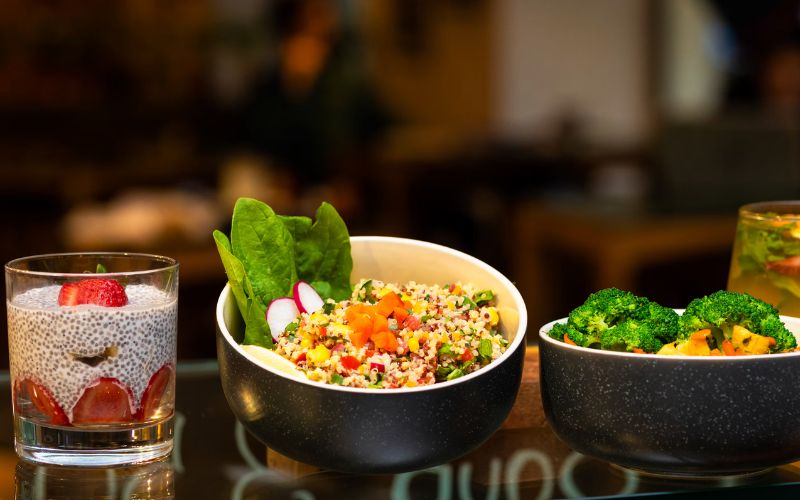
Food that starts with O and practical tips for tasting, cooking, and pairing unfamiliar ingredients. (Image by Unsplash)
4. FAQs about Foods That Start With O
Some ingredients require extra attention to freshness, cooking methods, and nutritional balance before they reach your plate.
These common questions explain important food safety considerations and offer practical ways to enjoy O-foods with greater confidence.
How can you tell if raw fresh oysters are safe to consume?
Fresh oysters should come from reputable suppliers, remain properly refrigerated, and have intact shells that close when tapped. However, appearance, smell, and taste cannot reliably identify harmful bacteria such as Vibrio.
Why does extra virgin olive oil have a lower smoke point?
Extra virgin olive oil can have a lower smoke point than highly refined oils because it retains more naturally occurring compounds and minor impurities.
Can you make a complete meal using only O-foods?
Yes! Creating a balanced meal around food that starts with O is surprisingly easy. Combine classic items with mushrooms and peppers for protein, carbohydrates, and fiber. Cooking with olive oil adds healthy fats, while an orange provides vitamin C.
5. Final Thoughts
The letter O offers plenty of culinary surprises, from familiar staples to distinctive global ingredients. Each food that starts with O brings unique flavors, textures, and possibilities for everyday cooking.
For more interesting food discoveries, recipe inspiration, and practical daily tips and support, explore other articles on the TAG Mobile blog.
Share
TAG Blog
Stories, guides, and helpful updates for staying connected.