Does Vinegar Kill Mold? A Surface-by-Surface Cleaning Guide
Mold on walls, tiles, fabrics, or bathroom fixtures requires more than grabbing the nearest household cleaner. Asking does vinegar kill mold opens a broader question about mold spe...
Quincy D.-Sep 30, 2026
Image by Unsplash
Table of Contents
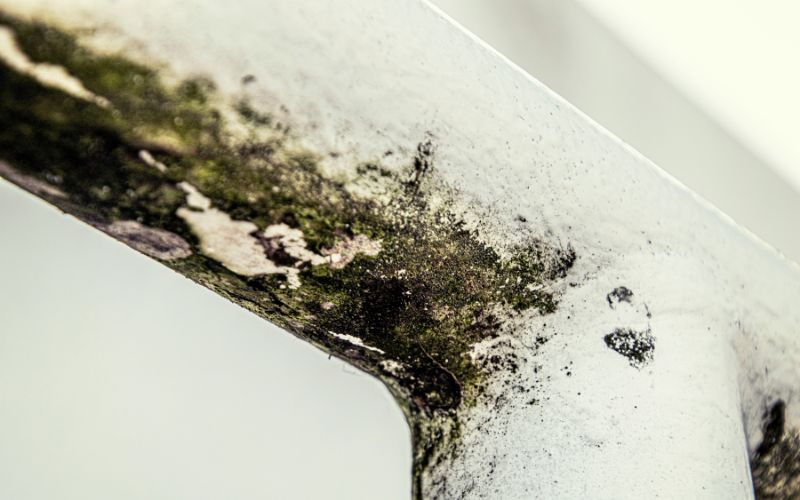
Mold on walls, tiles, fabrics, or bathroom fixtures requires more than grabbing the nearest household cleaner. Asking does vinegar kill mold opens a broader question about mold species, surface porosity, moisture sources, and the size of the affected area.
While distilled white vinegar may help with certain small patches, successful cleanup also depends on physical removal, thorough drying, and recognizing situations that require professional remediation.
1. Does Vinegar Kill Mold?
White vinegar may kill or inhibit certain mold species on small, surface-level patches, especially when used undiluted. However, the widely repeated 82% figure lacks strong scientific verification.
Does vinegar kill mold reliably? Not in every case, particularly on porous materials or extensive contamination below the surface.
2. Why Can Vinegar Work Against Mold?
Vinegar’s potential effectiveness comes mainly from its acidity and ability to contact exposed growth directly. Results vary according to the mold species, surface material, vinegar concentration, treatment time, and whether the underlying moisture problem has been resolved.
Its Acidity Challenges Certain Mold Species
Distilled white vinegar usually contains about 5% acetic acid, giving it a low pH that some molds cannot tolerate. Contact with this acidic solution may damage fungal cells or slow their growth, although effectiveness varies considerably by species, concentration, exposure time, and the material supporting the colony.
Undiluted Vinegar Provides Stronger Contact
Applying vinegar directly rather than diluting it preserves its normal household acidity. Allowing the liquid to remain on a suitable surface for roughly one hour increases contact time before scrubbing. Immediate wiping gives the solution less opportunity to affect mold and may leave much of the visible growth behind.
Hard Surfaces Allow Easier Removal
Vinegar works more reliably on small patches located on hard, cleanable surfaces where mold can be reached and removed. Tile and sealed glass are generally easier to treat than drywall, insulation, or carpet, where fungal growth may extend beneath the visible surface and damaged material may require replacement.
Mold Color Does Not Determine Treatment
Questions such as does vinegar kill black mold cannot be answered by color alone because many species may appear black. Vinegar is not a dependable solution for extensive, recurring, or deeply embedded growth. Large affected areas, water damage, or health concerns warrant assessment by a qualified remediation professional.
Scrubbing and Drying Complete the Process
Successful treatment involves more than attempting to kill fungal growth. Scrubbing removes residue and spores, while complete drying limits the moisture mold needs to return. Unless leaks, condensation, or humidity are corrected, vinegar may temporarily clean the visible patch without preventing another colony from developing in the same location.
3. How Long Does It Take Vinegar to Kill Mold?
DIY cleaning guidance commonly recommends leaving undiluted white vinegar on visible mold for approximately 60 minutes before scrubbing. However, does vinegar kill mold within a guaranteed timeframe? Effectiveness varies by mold species, surface type, vinegar concentration, and infestation depth, so contact time alone cannot ensure complete removal.
Hard, non-porous surfaces (glass, glazed tile, porcelain): Leave undiluted white vinegar on the affected area for about 60 minutes. Scrub away the loosened growth, rinse the surface when appropriate, and dry it thoroughly. Light mildew may respond sooner, but shorter exposure may produce inconsistent results.
Grout and tile corners: Allow vinegar to remain for up to 60 minutes before scrubbing with a suitable brush. Avoid leaving it overnight because prolonged acid exposure may weaken grout, sealants, or nearby finishes. Recurring mold often signals trapped moisture that cleaning alone cannot eliminate.
Porous or delicate surfaces (drywall, unsealed wood, fabric): Avoid depending on vinegar because moisture can penetrate the material without reaching all hidden growth. Moldy drywall, carpet, or insulation may require replacement or professional remediation, particularly when the affected area is extensive or repeatedly returns.
Leave white vinegar on visible mold for about 60 minutes before scrubbing and cleaning. (Image by Unsplash)
4. Vinegar vs. Bleach: Which Is Better for Mold?
Neither option works best in every situation because mold removal depends on surface compatibility, contamination size, and moisture control. Anyone asking does white vinegar kill mold considers where the growth appears and whether the affected material can be cleaned safely.
Comparison
White Vinegar
Bleach
How it works
Mild acidity may inhibit certain mold species and loosen visible surface growth
Strong oxidizing action disinfects compatible surfaces and removes mold staining
Suitable surfaces
Small patches on acid-resistant, hard surfaces such as glass and glazed tile
Hard, non-porous, bleach-safe materials such as bathtubs and ceramic tile
Porous materials
Cannot reliably remove growth embedded deeply in drywall, carpet, insulation, or unfinished wood
May lighten visible staining without resolving contamination inside porous materials
Safety
Produces fewer harsh fumes but may still irritate the skin, eyes, or airways
Can irritate the lungs, eyes, and skin, making ventilation and protective equipment important
Material risks
May damage natural stone, unsealed grout, wood finishes, and certain metals
May discolor fabrics, corrode metals, or damage surrounding finishes
Mold prevention
Cannot stop mold from returning unless leaks and humidity are controlled
Cannot prevent regrowth while the original moisture source remains
Best use
Limited surface growth on compatible materials after testing a hidden area
Situations requiring disinfection on bleach-safe, non-porous surfaces
Critical warning
Never combine vinegar with bleach
Mixing bleach with vinegar can release dangerous chlorine gas
Vinegar may help with minor surface mold, but results depend heavily on the product, material, and moisture source. These answers clarify how to use it responsibly while avoiding ineffective treatment or accidental surface damage.
Does Apple Cider Vinegar Kill Mold?
Apple cider vinegar contains acetic acid and may affect certain mold species on compatible surfaces. However, distilled white vinegar is generally preferred because it is colorless, leaves less residue, and carries a lower risk of staining light-colored materials.
Should I Use Vinegar Straight or Dilute It for Mold?
Use standard distilled white vinegar undiluted when treating a small patch on a compatible hard surface. Diluting it reduces the acetic acid concentration and may weaken its effect, but always test an inconspicuous area first to check for discoloration or damage.
Why Does Mold Keep Coming Back After Vinegar?
Recurring mold usually indicates that excess moisture remains from leaks, condensation, poor ventilation, or high humidity. Vinegar may clean visible growth without reaching contamination embedded inside porous materials, so correcting the moisture source is essential for preventing another outbreak.
Can I Leave Vinegar on Mold Overnight?
Leaving vinegar overnight is generally unnecessary and may damage grout, natural stone, metal, wood finishes, or sealants. About 60 minutes of contact time is commonly used on compatible surfaces before scrubbing and drying, though it cannot guarantee that every mold species has been eliminated.
Final Thoughts
Small mold patches on compatible surfaces may respond to careful vinegar treatment, but moisture control determines whether they return. When asking does vinegar kill mold, remember that results vary by species, material, and infestation depth.
TAG Mobile’s blog keeps practical household guidance accessible whenever unexpected cleaning problems arise. Extensive contamination, recurring growth, or mold-damaged porous materials may require professional remediation.
Share
TAG Blog
Stories, guides, and helpful updates for staying connected.