Between grocery aisles, Target checkout rules, and Starbucks café counters, the payment process can feel confusing for SNAP shoppers. This guide explores how transactions may be handled, which details shoppers should review before ordering, and why the keyword “does Starbucks take EBT in Target” often comes up when comparing store policies. For more helpful benefit-related guidance, you can also explore TAG Mobile’s article.
1. Does Starbucks Take EBT in Target?
The answer isn’t a simple yes or no. It depends on what you’re buying. While Starbucks counters inside Target may appear to be part of the store, EBT use still follows SNAP eligibility rules for specific types of food and drinks.
In general, SNAP benefits can be used for pre-packaged, cold items that are not prepared for immediate consumption. For example, bottled beverages or sealed cold drinks may be eligible at checkout. However, made-to-order items – including handcrafted coffee, custom cold drinks, or hot café foods – are typically not covered.
This distinction is what often causes confusion around the question does Starbucks take EBT in Target. Even though the location is inside a retail store, the eligibility depends less on where you buy and more on how the item is prepared. Understanding the difference between pre-packaged products and freshly made orders can help SNAP shoppers avoid unexpected issues at checkout.
>>> Also read: Does Starbucks Take EBT? Critical Rules for Coffee Shops
2. Can Anything at Starbucks Be SNAP Eligible?
Packaged products are usually easier to separate from café orders because they are sealed, labeled, and priced like regular grocery items. Before paying with EBT, shoppers should check whether the product is located in the grocery aisle, sold cold, and intended to be taken home rather than consumed right away.
- Cold & Bottled Beverages: Iced coffee, cold brew, iced tea, and bottled Frappuccinos may qualify when they are sold as sealed, ready-to-drink grocery products.
- Cold Packaged Foods: Unheated pastries, packaged snacks like popcorn or chips, and whole-bean or ground coffee to take home may be eligible if they are sold cold and not prepared for immediate café dining.
- At-Home Coffee Products: Starbucks-branded sealed pods, instant coffee, and K-Cups are commonly found on the grocery aisle side, making them easier to treat as regular take-home food items.
- Grocery-Aisle Coffee Bags: Whole-bean and ground Starbucks coffee can often fit SNAP rules when sold as shelf-stable grocery products for home brewing. These items are different from a hot drink made behind the café counter.
- Check the Register Before Checkout: Product eligibility can depend on how the item is coded in the store’s system. When unsure, shoppers can ask a cashier or separate Starbucks grocery items from café purchases to avoid confusion.
3. Additional SNAP-Related Benefits Participants Should Know
SNAP is often associated with grocery support, but it can also connect households to other programs that help reduce everyday expenses. One of the most relevant is the Lifeline Program, which focuses on making phone and internet service more affordable for eligible low-income users.
Because SNAP is a qualifying program, participants can use their enrollment to apply for Lifeline support. This creates an opportunity to lower monthly communication costs without going through a completely separate qualification path.
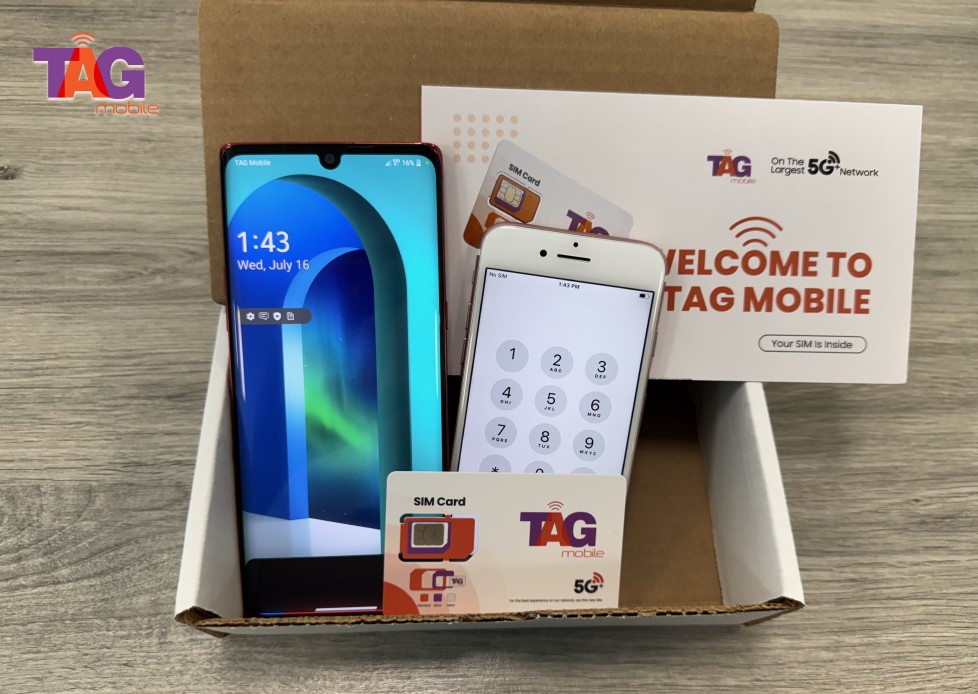
Through the Lifeline Program, access to essential communication becomes more manageable. As an Eligible Telecommunications Carrier, TAG Mobile helps approved users connect to wireless service that supports daily needs like calls, messages, and online access. Depending on eligibility and availability, some users may also qualify for a free or discounted device, making it easier to stay connected from the start.