Healthy grocery shopping often comes with questions about payment options, especially for households using SNAP benefits.
Natural Grocers focuses on organic produce, natural foods, supplements, and specialty products, so understanding what qualifies can make each trip more efficient. This guide explores does Natural Grocers take EBT, which foods may be covered, what items are excluded, and how to prepare for a smoother checkout experience.
1. Does Natural Grocers Take EBT?
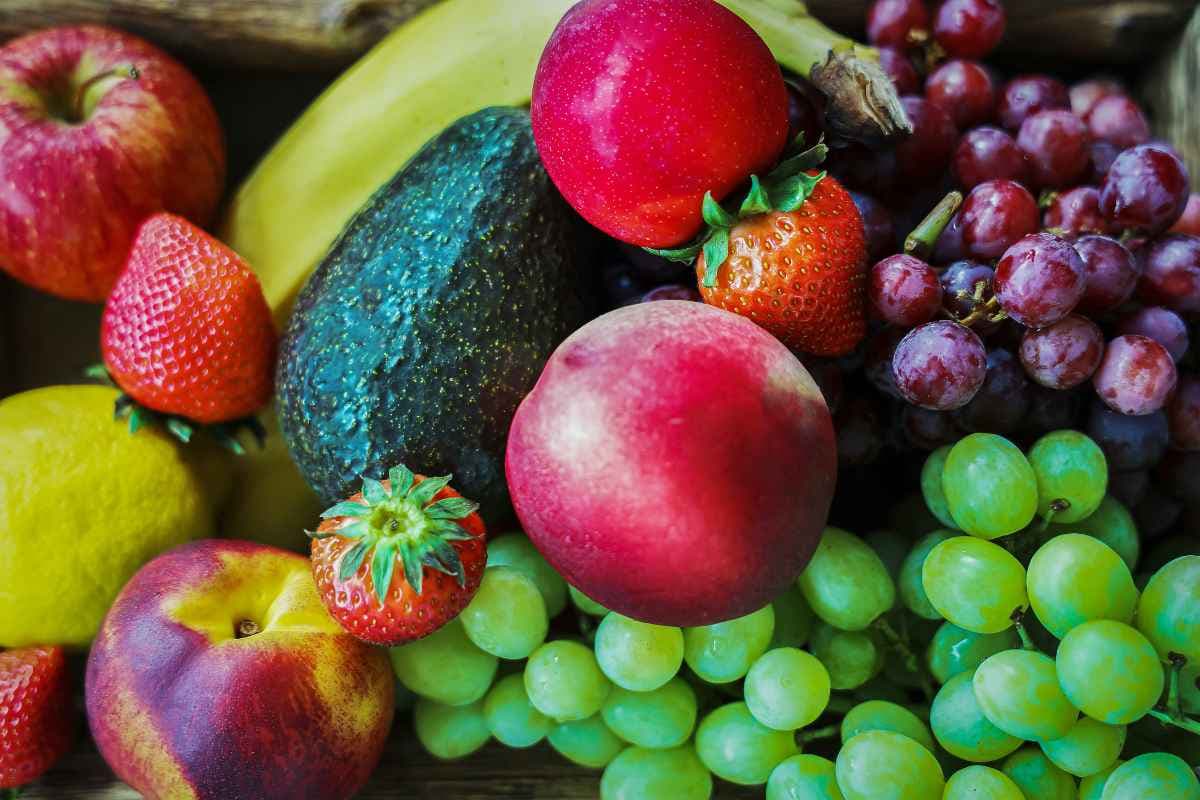
Yes, Natural Grocers accepts EBT for SNAP-eligible food purchases at its store locations. Shoppers can use their benefits to buy a wide range of everyday groceries, including fresh and organic produce, meat, poultry, seafood, dairy products, eggs, bread, cereals, pasta, grains, snacks, nuts, and baking supplies.
Eligible purchases may also include cold non-alcoholic beverages, coffee beans, tea, and seeds or plants that produce food for the household. Items must meet SNAP eligibility rules, while non-food products and other excluded goods require another payment method.
2. Some Products at Natural Grocers Aren’t SNAP-Eligible
Knowing which items fall outside SNAP rules can help you plan your budget before reaching the register. While researching does Natural Grocers take EBT, remember that EBT can only cover qualifying food products, not every item sold in the store.
- Vitamins, Herbs, and Dietary Supplements: Products with a “Supplement Facts” label are not eligible for SNAP purchases.
- Hot, Prepared Foods: Meals or foods sold hot and ready to eat generally cannot be purchased with SNAP benefits.
- Alcoholic Beverages: Beer, wine, liquor, and other alcoholic drinks are excluded from SNAP coverage.
- Household and Pet Products: Cleaning supplies, paper goods, and pet food must be paid for with another payment method.
- Personal Care and Beauty Items: Cosmetics, skincare, hygiene products, and other non-food personal care items are not SNAP-eligible.
3. Organic Foods vs. Supplements: Understanding the Difference
Natural Grocers sells both organic foods and wellness products, but SNAP treats these categories differently at checkout. The key distinction is whether an item is considered food for household consumption or a supplement intended to support nutrition.
| Category | SNAP Eligibility | How to Identify It | Examples |
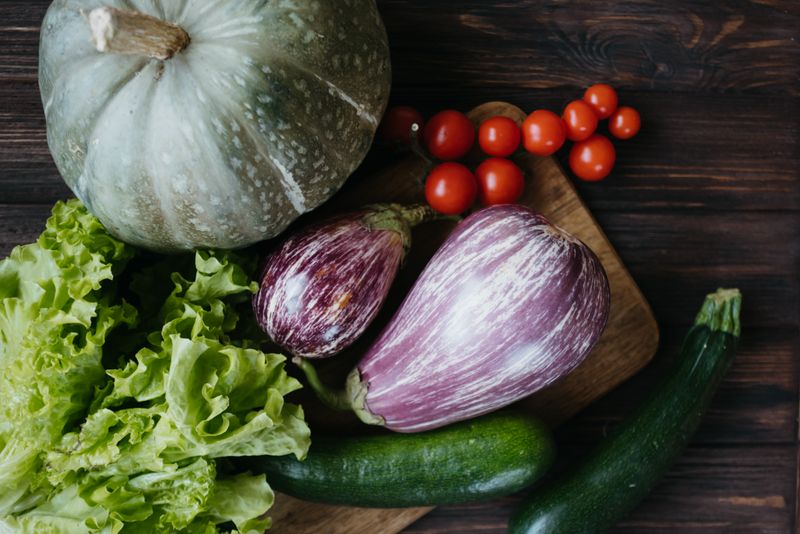
| Organic Produce | Eligible | Sold as fresh food for household consumption | Organic apples, spinach, carrots, avocados |
| Organic Meat and Dairy | Eligible | Standard grocery products with a Nutrition Facts label | Organic chicken, milk, cheese, yogurt |
| Packaged Organic Foods | Eligible | Labeled as food and generally carries a Nutrition Facts label | Organic cereal, pasta, snacks, canned foods |
| Vitamins | Not Eligible | Usually displays a Supplement Facts label | Multivitamins, vitamin C, vitamin D |
| Herbal Supplements | Not Eligible | Marketed as a supplement and carries a Supplement Facts label | Herbal capsules, extracts, supplement powders |
| Dietary Supplements | Not Eligible | Intended to supplement the diet rather than serve as regular food | Protein supplements, mineral tablets, certain nutrition powders |
4. Make the Most of Every SNAP Dollar at Natural Grocers
Thoughtful shopping habits can help your SNAP benefits stretch further while still supporting nutritious meals. Focusing on value, versatility, and meal planning can make it easier to get more from each grocery trip.
Shop Seasonal Produce
Seasonal fruits and vegetables are often more affordable and may offer better freshness than out-of-season options. Choose produce that can work across several meals, such as carrots, apples, potatoes, or leafy greens.
When considering does Natural Grocers accept EBT, eligible fresh and organic produce can generally be purchased with SNAP benefits.
Compare Store Brands
Store-brand and lower-cost alternatives can help reduce your total without sacrificing basic nutrition. Compare prices, package sizes, and unit costs before choosing between similar products.
This approach works especially well for staples such as canned foods, grains, snacks, and baking ingredients that you may buy regularly.