
Does Medicaid cover LASIK? In most cases, Medicaid does not pay for LASIK because it is considered an elective or cosmetic vision correction procedure. Coverage may only apply in rare situations when the surgery is medically necessary due to serious eye conditions or injuries. You can read more detailed with the article below with TAG Mobile!
1. Does Medicaid Cover LASIK?
No, Medicaid generally does not cover LASIK surgery. Medicaid considers LASIK an elective vision correction procedure, meaning it is not medically necessary to treat or prevent disease. Because glasses or contact lenses are accepted alternatives, LASIK is classified as optional in most states.
This often leads people to ask, What makes LASIK medically necessary? In limited circumstances, such as severe eye trauma, corneal damage, or conditions where corrective lenses cannot restore functional vision. A state Medicaid program may review LASIK on a case-by-case basis. These situations usually require detailed medical documentation and prior authorization.
Medicaid funding is primarily reserved for essential medical services, including treatment for eye disease, injury, or progressive vision loss. While the answer to “Does Medicaid cover LASIK” is not as you might have expected, individuals enrolled in Medicaid may qualify for other federal assistance programs, including the Lifeline program, which helps eligible households stay connected through participating providers such as TAG Mobile.
2. What Vision Services Does Medicaid Actually Cover?
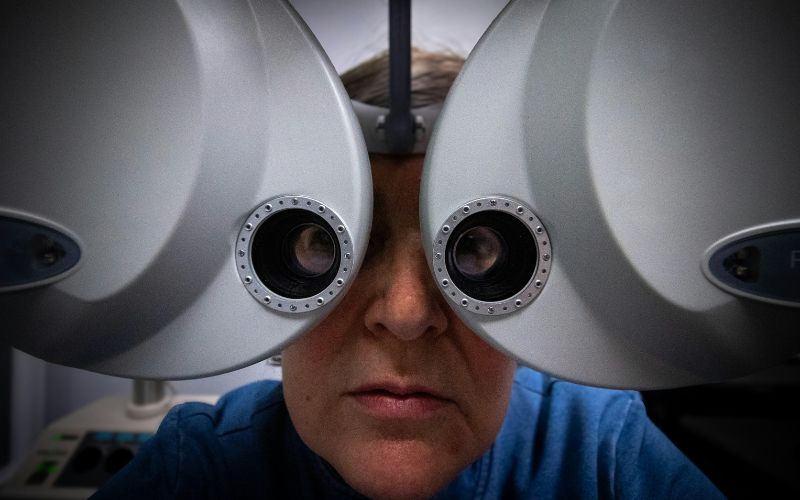
Medicaid vision benefits vary by state, but many plans include essential eye care services beyond elective procedures, such as LASIK in the question “Does Medicaid cover LASIK?”.
Understanding what specific vision services are covered can help you get the care you need without unexpected costs, especially if you’re wondering, How much is LASIK eye surgery with Medicaid?, since the procedure is usually not covered and must be paid out of pocket.
Eye Exams Covered By Medicaid
Although the answer to ” Does Medicaid cover LASIK?” is no, it does cover routine eye exams for children under federal Early and Periodic Screening, Diagnostic, and Treatment (EPSDT) requirements. For adults, eye exam coverage depends on state Medicaid rules but often includes medically necessary exams related to infections, injuries, or chronic eye conditions. Exam frequency may vary by state, typically ranging from once a year to every 12–24 months.
Glasses And Contact Lenses Under Medicaid
Many state Medicaid programs provide coverage for eyeglasses for children and, in some cases, adults who meet specific medical criteria. Coverage usually includes basic frames and lenses. Contact lenses may be covered when they are medically necessary, such as following eye surgery or when glasses cannot adequately correct vision.
Medically Necessary Eye Surgeries
Medicaid typically covers eye surgeries that are considered medically necessary, including cataract removal and procedures used to treat serious or vision-threatening eye conditions. In contrast, elective refractive surgeries such as LASIK are generally excluded because they are not required to preserve eye health or prevent disease.
3. Can Medicaid Help You Get Other Benefits Like A Free Phone?
Yes. Individuals enrolled in Medicaid may also qualify for the Lifeline program, a federal assistance benefit designed to help eligible households afford essential phone service. Medicaid is one of the most commonly accepted qualifying programs for Lifeline eligibility.
Participating Lifeline providers, including TAG Mobile, may offer smartphones with talk, text, and data plans to approved applicants. Device availability and plan options vary by state and are subject to change, so applicants should review current offerings directly through the provider.