Does Medicaid Cover Braces? What Low-Income Families Need to Know
One of the most common inquiries is: Does Medicaid cover braces? The answer is not a simple yes or no. Rather, it depends on the patient’s age, the severity of the dental issue, an...
Quincy D.-Feb 03, 2026
Image by Unsplash
Table of Contents
One of the most common inquiries is: Does Medicaid cover braces? The answer is not a simple yes or no. Rather, it depends on the patient’s age, the severity of the dental issue, and the specific regulations of the state in which they reside. This guide will explore the criteria for braces coverage and how your Medicaid status can also help you secure a reliable connection through providers like TAG Mobile.
For people asking the question “Does Medicaid cover braces?”, an orthodontist must demonstrate that the patient’s dental condition poses a significant threat to their physical health.
Medicaid will not pay for braces if the primary goal is purely aesthetic, such as closing a small gap or straightening slightly crooked teeth for a more attractive smile.
To receive approval, the provider must demonstrate that, without braces, the patient would suffer severe functional impairments, such as an inability to chew properly or manage chronic pain.
2. What Conditions Qualify for Medicaid Braces Coverage?
Understanding how to get free braces with Medicaid requires knowing which specific medical conditions meet the federal and state eligibility thresholds.
Severe Bite Issues and Jaw Problems
Conditions that affect the alignment of the jaw are often the most likely to qualify. This includes severe overbites, underbites, or crossbites that cause the teeth to wear down prematurely or lead to damage in the gums and supporting bone. If a jaw misalignment causes chronic pain in the temporomandibular joint (TMJ) or prevents the jaw from closing properly, it is often considered a medically necessary case.
Speech, Chewing, or Health-Related Conditions
Braces may be covered if the dental misalignment is severe enough to cause speech impediments that cannot be corrected through therapy alone.
Additionally, if a child cannot chew food sufficiently to maintain proper nutrition, or if their teeth are so crowded that they cannot effectively clean them, leading to severe infection or tooth loss, Medicaid may approve the treatment. Other qualifying conditions often include congenital defects, such as a cleft lip and palate.
3. How to Check If Your State’s Medicaid Covers Braces
How to Check If Your State Rules Or Does Medicaid Cover Braces (Image by Unsplash)
Because Medicaid is a joint federal and state program, the specific rules for how to get free braces with Medicaid can vary significantly from one state to another.
Contacting Your State Medicaid Office
The first step is to find out “does Medicaid cover braces” is to contact your state’s specific Medicaid agency or visit their official portal. Many states use a scoring system, such as the Handicapping Labio-Lingual Deviation (HLD) index, to determine eligibility. A patient must reach a certain “score” based on their dental measurements to qualify for coverage. Your state office can provide the specific criteria and the current income limits for your region.
Asking a Medicaid-Approved Dentist or Orthodontist
Not all dental offices accept Medicaid. To find out if you qualify, you should schedule an evaluation with an orthodontist who is an authorized Medicaid provider.
These specialists are experienced in the documentation required by the state and can give you an honest assessment of whether your case meets the “medically necessary” standard before you begin the formal application process.
4. How to Apply for Braces Coverage Through Medicaid
The application process for orthodontic benefits is rigorous and requires close cooperation between the patient and the healthcare provider.
Step 1: Get a Dental Evaluation and Referral
You must first visit your primary care dentist for a regular exam. If the dentist identifies a severe issue, they will refer you to an orthodontist. The orthodontist will then take X-rays, molds, and photographs to create a comprehensive treatment plan that outlines why the braces are medically necessary.
Step 2: Submit Prior Authorization
The orthodontist’s office will submit a “prior authorization” request to the state Medicaid agency. This package includes all the medical evidence, measurements, and the doctor’s formal recommendation. It is important to note that you cannot begin treatment before this authorization is granted, or Medicaid will not cover the costs.
Step 3: Wait for Approval or Denial
The state will review the documentation to ensure it meets the legal requirements for medically necessary care. If approved, the state will cover the cost of the braces and regular adjustment appointments. If denied, the patient has the right to appeal the decision, which may require additional evidence or a second opinion from another specialist.
5. Get Free Phone Services with Your Medicaid Participation
While finding out “does Medicaid cover braces?” can be a lengthy and complex process, using your Medicaid status to stay connected through phone service or even a potential chance of getting a free phone with Medicaid, is often much faster and more straightforward. This is because Medicaid participation can make you eligible for the Lifeline program, a federal initiative designed to help low-income households reduce the cost of monthly phone or internet service.
The Lifeline program does not provide phones or devices directly. Instead, it offers a service discount that allows eligible individuals to enroll with participating providers. The goal is to ensure people who rely on healthcare support also have a reliable way to contact doctors, receive appointment reminders, manage prescriptions, and access essential services.
Step 1: Verify Eligibility
The first step in the enrollment process is to verify eligibility according to the Lifeline program‘s criteria. You can qualify for the Lifeline program if you are already a recipient of benefits from government assistance programs such as the SNAP, Medicaid, SSI benefits, or the Federal Public Housing Assistance Program.
You can also qualify based on household income, provided it does not exceed 135% of the Federal Poverty Guidelines. Collecting a clear photo of your ID and proof of program participation early at this stage is essential because it prevents technical delays once you start the formal application.
Step 2: Apply Online with TAG Mobile
Once you have your documents ready, visit the TAG Mobile website to start your application. This stage allows you to explore the current localized inventory and choose the device that best fits your professional and personal needs before entering your private data.
The TAG Mobile website allows eligible users to complete the Lifeline enrollment process in just a few simple steps.
Users begin by entering their ZIP Code, their email, and selecting “APPLY NOW” to check availability and view qualifying plans.
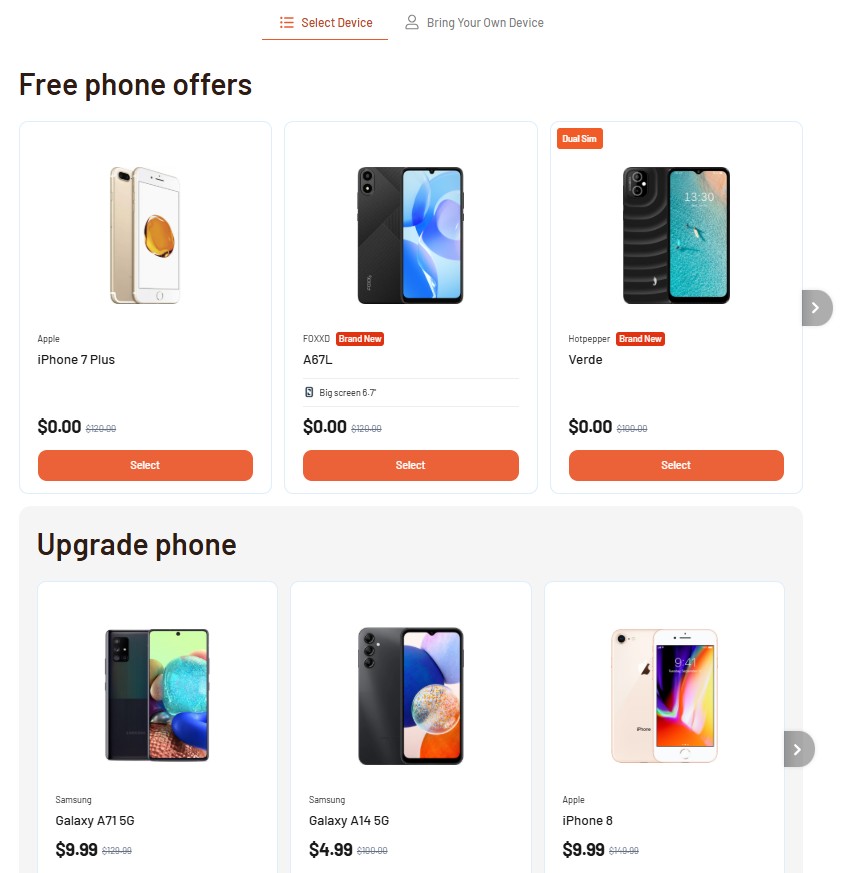
After selecting a plan, users can choose a free or discounted device or use their existing phone through the BYOD option.
In case specific bundles or models are unavailable at the time of application, you can always consider other high-quality options from TAG Mobile’s vast collection.
Answering the question “Does Medicaid cover braces” with TAG Mobile’s vast collection of phone
Step 3: Enter Personal Information & Upload Documents
Next, you will be asked to provide your personal details, including your legal name, email, and address, to build your profile.
Furthermore, if the system cannot automatically verify your eligibility, you may be prompted to manually upload the supporting documents you prepared in the first step.
Since the review process relies on visual clarity, ensure your uploads are legible and not cut off; otherwise, the system may require a resubmission, which could extend the processing time.
Step 4: Submit for Approval and Shipping
The final step is to double-check all information fields and submit your request for approval by the federal verification system. Once approved, TAG Mobile will prepare your high-tier smartphone for shipment directly to your residential address.
You can typically expect to receive your device within 7-10 business days; moreover, the package includes easy-to-follow activation instructions so you can begin using your free service to manage healthcare and job searches immediately.
Notice: The government does not cover device costs, only basic service through Lifeline. Any free or discounted devices, upgrades, or top-ups are limited-time TAG Mobile offers and may vary by state, eligibility, and availability. Terms and conditions apply.
6. Final Words
Answering the question does Medicaid cover braces depends largely on proving that the treatment is a medical necessity rather than a cosmetic preference. By choosing a trusted provider like TAG Mobile, you can leverage your status to secure a high-quality smartphone and a free monthly service plan. Gather your documents and take advantage of these essential federal benefits today.
Share
TAG Blog
Stories, guides, and helpful updates for staying connected.