6 Cheap Bulk Food Stores Near Me: Where to Save on Groceries
Buying in larger quantities can help households save money, reduce frequent store trips, and keep everyday staples ready at home. When you search bulk food stores near me, you can...
Quincy D.-Oct 20, 2026
Image by Unsplash
Table of Contents
Buying in larger quantities can help households save money, reduce frequent store trips, and keep everyday staples ready at home. When you search bulk food stores near me, you can compare warehouse clubs, discount grocers, co-ops, and specialty bulk sections for rice, beans, pasta, flour, snacks, frozen foods, and household basics. The key is choosing items your family will actually use before they expire.
1. What Does “Bulk Food Store” Actually Mean?
Bulk food stores sell groceries in larger packages, loose-bin formats, or value-size quantities designed to lower the cost per serving.
These stores may offer pantry staples like rice, oats, nuts, beans, spices, flour, dried fruit, snacks, frozen foods, and household essentials. Some focus on warehouse-style memberships, while others let shoppers buy only the amount they need from bulk bins.
2. Best Bulk Food Stores to Search for Near You
Bulk shopping can mean different things depending on whether you want warehouse-size groceries, restaurant supplies, loose-bin pantry staples, or natural-food bulk sections.
Before searching wholesale bulk food stores near me, check whether the store requires a membership, sells family-size packs, or lets shoppers buy flexible amounts.
Costco Wholesale
Costco is one of the largest membership warehouse clubs, with 647 warehouses in the U.S. and Puerto Rico as of August 30, 2026.
Shoppers generally need a paid membership to buy in warehouses, although certain services may have exceptions. Costco is useful for bulk pantry staples, frozen foods, meat, snacks, paper goods, beverages, and private-label Kirkland Signature products.
Sam’s Club
Sam’s Club is a membership-only warehouse club, with 601 clubs in 44 states in the U.S. and Puerto Rico, according to Walmart’s fiscal 2026 filing.
It works well for bulk snacks, drinks, frozen foods, meat, bakery items, pantry staples, and household products. A membership is generally required, except where law provides limited nonmember access.
BJ’s Wholesale Club
BJ’s Wholesale Club is another membership warehouse chain, mainly concentrated in the eastern half of the United States.
BJ’s reported more than 8 million paid memberships as of January 31, 2026, and its business is built around member shopping. It is often useful for bulk groceries, household basics, fresh food, coupons, gas savings, and club-size family staples.
US Foods CHEF’STORE
US Foods CHEF’S TORE is a wholesale-style food and restaurant supply store that is open to the public with no membership required.
The store stated that shoppers can buy food, beverages, and commercial kitchen supplies at wholesale prices without paying a membership fee. It is a strong option for bulk meat, produce, dairy, dry goods, takeout supplies, and restaurant-size ingredients.
Sprouts Farmers Market
Sprouts Farmers Market operates more than 480 stores in 25 states and focuses on fresh, natural, and organic foods.
It does not require a warehouse-club membership, making it easier for shoppers who want bulk bins or natural pantry staples without joining a club.
Sprouts can be useful for nuts, grains, dried fruit, snacks, produce, vitamins, and healthier grocery swaps.
Whole Foods Market
Whole Foods Market operates more than 500 stores across the U.S. and is known for its selection of natural, organic, and specialty groceries. You do not need a store membership to shop there, although Amazon Prime members may have access to additional discounts and deals.
Whole Foods may be helpful for bulk-style pantry staples, grains, nuts, spices, natural snacks, organic produce, and specialty items.
Some shoppers also search Amish bulk food stores near me for lower-cost pantry staples, baking supplies, spices, grains, cheese, jams, and simple packaged goods.
These stores are often regional or independently owned, so availability, pricing, and payment methods can vary by community.
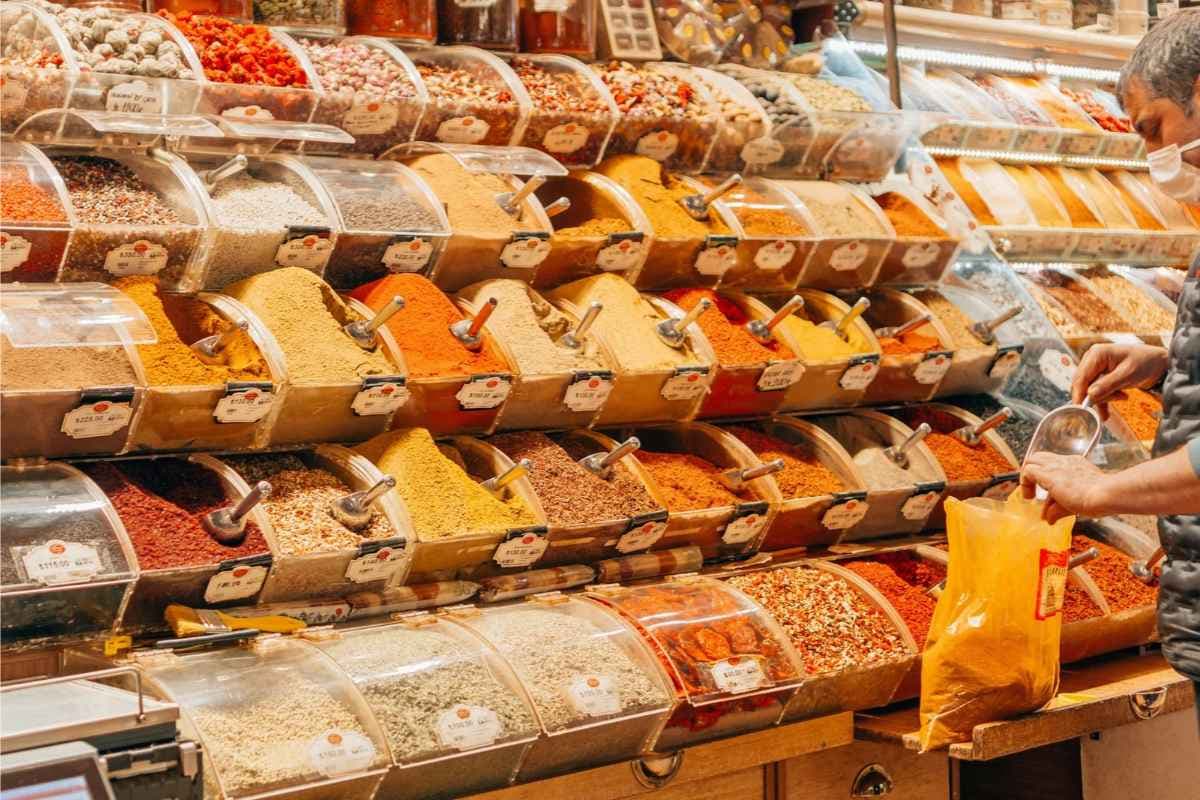
Compare bulk food stores by membership requirements, package sizes, product selection, and flexible buying options. (Image by Unsplash)
3. Wholesale Store vs. Warehouse Club: What’s the Difference?
Wholesale stores and warehouse clubs both sell larger quantities, but they do not always work the same way.
The biggest differences usually involve membership rules, product focus, package size, and whether the store mainly serves households, restaurants, or small businesses.
Comparison Point
Wholesale Store
Warehouse Club
Membership Requirement
Often open to the public, though some may offer business accounts or tax-exempt cards.
Usually requires a paid membership to shop in-club.
Main Customer Type
Restaurants, small businesses, caterers, offices, and households buying large quantities.
Families, households, small businesses, and members looking for savings on bulk goods.
Product Focus
Foodservice items, restaurant supplies, bulk ingredients, commercial-size packaging, and beverages.
Often larger or more foodservice-focused, such as cases, tubs, cartons, and restaurant packs.
Usually family-size or club-size packs designed for home storage and regular use.
Best For
Stocking a business, event, kitchen, pantry, or meal-prep plan with large-volume items.
Saving on groceries, snacks, household basics, frozen foods, and recurring family purchases.
Examples
US Foods CHEF’STORE, restaurant supply stores, cash-and-carry wholesale markets.
Costco, Sam’s Club, BJ’s Wholesale Club.
Shopping Tip
Check unit price, storage space, and whether the quantity is realistic before buying.
Make sure membership savings outweigh the annual fee and avoid buying items you will not use.
4. Pro Tips for Smarter Bulk Food Stores Shopping
Bulk shopping can save money, but only when the items, quantities, and storage plan make sense for your household.
Before searching cheap bulk food stores near me, use these tips to avoid overspending, waste, and crowded pantry shelves.
Compare Membership Options Before Committing
Warehouse clubs can offer strong savings, but the annual fee should make sense for your shopping habits.
Compare Costco, Sam’s Club, BJ’s, and any local bulk stores based on prices, gas perks, coupons, household needs, and location. If you only buy a few items occasionally, a no-membership wholesale store may work better.
Check Your Location’s Available Options
Bulk store availability can vary widely by area.
Costco and Sam’s Club have broad U.S. coverage, while BJ’s is mostly concentrated on the East Coast.
CHEF’STORE has many locations but may still be limited in some regions.
Use store locators first, then compare distance, membership rules, product selection, and pickup options.
Calculate Per-Unit Cost, Not Total Price
Large packages can look expensive upfront, but the unit price tells you whether the deal is truly better.
Compare price per ounce, pound, serving, or item before buying. A smaller package from a regular grocery store may sometimes cost less per unit, especially during sales or with digital coupons.
Don’t Buy Everything in Bulk
Bulk buying works best for foods your household already uses often. Rice, oats, beans, pasta, frozen vegetables, meat, snacks, and paper goods may make sense, but short-shelf-life items can become waste.
Skip oversized packages of unfamiliar foods, delicate produce, or items you cannot finish before they expire.
Bring a List and Stick to It
Bulk stores are designed to encourage bigger carts, so a list can protect your budget.
Plan meals, check your pantry, and write down the exact staples you need before entering the store. Avoid impulse buys from end caps, seasonal displays, and oversized snack packs unless they fit your real plan.
Stock Your Freezer First
Freezer space makes bulk shopping more practical, especially for meat, bread, vegetables, fruit, and prepared foods.
Before buying large packs, clear the freezer room and divide items into smaller portions at home. Label bags with dates so you can rotate older food first and avoid forgotten items.
Buy Seasonal Produce and Stock
Seasonal produce can be a smart bulk purchase when prices drop and quality is high.
Berries, corn, peppers, squash, and leafy greens can often be frozen, cooked, or meal-prepped before they spoil. Stocking up works best when you already know how the produce will be stored or used.
Check Expiration Dates on Bulk Items
Bulk packages are only a good deal if you can use them in time.
Check expiration dates on dairy, sauces, snacks, grains, oils, protein bars, and frozen foods before adding them to your cart. For large households, short dates may be fine, but smaller households should be more careful.
Use Loyalty Programs and Apps
Store apps can help you find coupons, instant savings, pickup options, gas rewards, and member-only deals.
BJ’s, Costco, Sam’s Club, grocery chains, and some natural food stores may offer digital tools that make comparison easier. Checking the app before shopping can help you plan better and avoid missing savings.
5. Troubleshoot Bulk Store Shopping: 4 Common Issues
Bulk shopping can go wrong when the savings look better than the real-life storage, budget, or usage plan. If searching bulk food stores near me leads to too many options, these common issues can help you choose more carefully.
Issue 1: You Spend More Than Planned
Bulk stores often make savings feel automatic, but large packages can raise the total bill quickly. Shoppers may add snacks, frozen meals, drinks, and seasonal items because the price looks good, not because they need them.
Set a budget before shopping, separate must-buy staples from optional deals, and avoid comparing only package size. Real savings come from items you will use, not from a cart full of “good deals.”
Issue 2: You Run Out of Storage Space
Large packs of rice, drinks, frozen food, paper goods, and snacks can overwhelm a small kitchen.
Before buying, check your pantry, fridge, freezer, and closet space so food does not end up stacked in random places.
Clear bins, labels, and portioned freezer bags can help, but limited space should shape your shopping list. Bulk buying works best when storage is planned before checkout, not after you get home.
Issue 3: Food Expires Before You Use It
Expiration dates can turn a bargain into waste if your household cannot finish the product in time.
This happens often with dairy, fresh produce, sauces, bakery items, snack packs, and refrigerated foods. Choose shelf-stable staples, freezer-friendly products, or items you already eat often.
For perishable foods, divide portions, freeze what you can, and plan meals around the shortest-date items first.
Issue 4: The Store Does Not Match Your Needs
Not every bulk store is right for every shopper.
Warehouse clubs may offer strong savings but require membership, while wholesale stores may carry restaurant-size items that are too large for home use.
Natural food stores may have bulk bins but fewer household goods. Compare membership cost, distance, product range, payment options, pickup availability, and household size before committing to one store as your main shopping stop.
6. A Phone May Help Eligible Shoppers Find The Nearest Bulk Food Stores
Bulk shopping often takes a little planning, especially when shoppers need to compare store hours, membership rules, directions, pickup options, and available grocery categories. With a phone, eligible users can search nearby warehouse clubs, wholesale stores, and bulk grocery options before spending time or transportation money.
The Lifeline Program helps eligible low-income consumers lower the cost of monthly phone service. People may qualify based on household income or participation in certain government assistance programs, such as SNAP, Medicaid, SSI, Federal Public Housing Assistance, or other approved benefits, depending on program rules and state availability.
While Lifeline discount can make the service itself more affordable, the provider you choose may offer additional benefits to make the overall service more useful.
TAG Mobile participates in Lifeline as an Eligible Telecommunications Carrier and can provide qualifying customers with more than the monthly service benefit alone. For example:
Free monthly phone service available for eligible Lifeline customers, depending on state rules and qualification.
Free or discounted devices, based on location, eligibility, and current inventory.
Talk, text, and data options.
Online application steps that make it easier to check availability, review plans, and submit eligibility information.
Finding the right device can make grocery planning easier, especially for shoppers who rely on maps, store locators, digital coupons, and online product searches. Before you apply, check out some of the most in-demand TAG Mobile device options:
iPhone XS: This Apple smartphone is useful for shoppers who prefer iOS, smooth app access, maps, browser searches, grocery lists, and quick communication with stores or family members.
Samsung Galaxy S21 5G: This Samsung 5G option can support faster browsing, navigation, price checks, digital coupons, shopping apps, and online store comparisons.
TCL 20 SE: This device can handle everyday tasks such as calling stores, checking store hours, using maps, searching product availability, and managing basic online forms.
Samsung Galaxy S21+ 5G: This larger Samsung 5G phone can help users view maps, compare bulk grocery stores, manage shopping lists, check coupons, and complete online applications more comfortably.
See if you qualify for Lifeline, and apply through TAG Mobile to claim the best free phone and plan.
Note: Eligibility varies by state and program. Offers depend on availability and qualifications. TAG Mobile operates under the federal Lifeline Program as an Eligible Telecommunications Carrier (ETC). Service is non-transferable and limited to one service per household./
7. Final Thoughts
Pantry savings work best when every large-size purchase has a purpose, a storage spot, and a plan for use. Looking up bulk food stores near me can help shoppers compare warehouse clubs, wholesale markets, and natural grocery sections before heading out. Unit prices, expiration dates, and membership costs all matter when choosing where to stock up.
Eligible shoppers can use TAG Mobile to check maps, store details, and online options more easily.
Share
TAG Blog
Stories, guides, and helpful updates for staying connected.