Best Jazz Albums for Beginners: Where to Start Listening
Some jazz records feel welcoming from the very first note, making them ideal gateways into the genre. The best jazz albums for beginners often pair memorable melodies with expressi...
Quincy D.-Jul 31, 2026
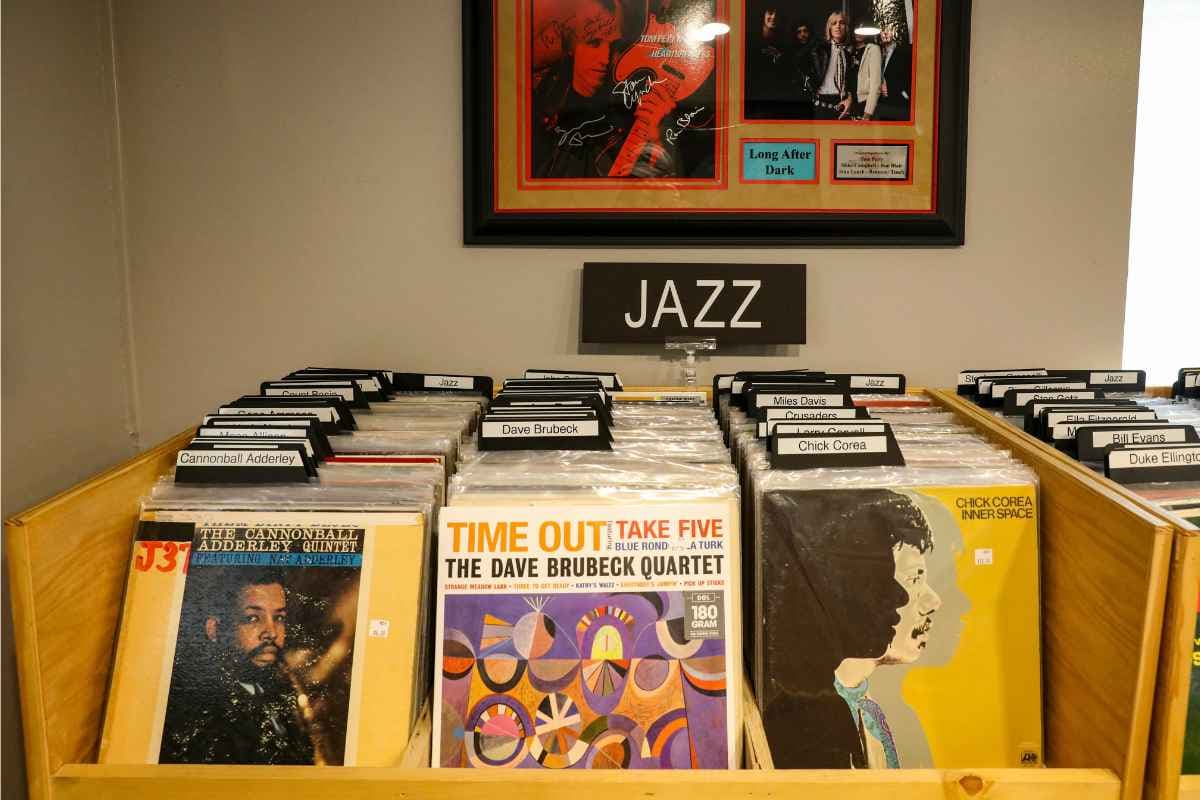
Image by Unsplash
Table of Contents
Some jazz records feel welcoming from the very first note, making them ideal gateways into the genre. The best jazz albums for beginners often pair memorable melodies with expressive performances, strong rhythm, and distinctive personalities that are easy to connect with.
Exploring these albums can introduce essential artists, reveal the character of several jazz styles, and help new listeners discover which sounds, moods, and approaches they enjoy most over time.
1. Best Jazz Albums for Beginners by Listening Style
Jazz becomes much easier to explore when you begin with a sound that already matches your listening preferences. Whether you enjoy mellow instrumentals, expressive vocals, lively rhythms, or contemporary production, the right starting point can make the genre feel immediately more approachable.
Relaxing Jazz
For calm, atmospheric listening, Miles Davis’ Kind of Blue, the Bill Evans Trio’s Waltz for Debby, and Chet Baker’s Chet are strong entry points. These records favor spacious arrangements, lyrical playing, and gentler pacing without sacrificing musical depth.
Kind of Blue is especially accessible because its modal approach creates an open, uncluttered sound, while Bill Evans emphasizes subtle piano interplay. Among the best jazz albums for beginners, these choices work well for evenings, reading, studying, or simply becoming familiar with improvisation.
Vocal Jazz
Listeners who connect more easily with songs through a human voice can begin with Billie Holiday’s Billie Holiday Sings or Ella Fitzgerald’s Ella in Berlin: Mack the Knife. Holiday brings intimate phrasing and emotional weight to familiar standards, while Fitzgerald demonstrates clarity, swing, and spontaneous improvisation during a celebrated live performance.
Vocal jazz can feel especially welcoming because recognizable lyrics provide an anchor while the surrounding musicians introduce jazz harmony, timing, and interaction in a way that remains easy to follow.
Upbeat Swing
More energetic listeners may prefer Count Basie and His Orchestra’s April in Paris or Louis Armstrong’s Satchmo at Symphony Hall. Basie’s album showcases the momentum, precision, and excitement of big-band swing, with bright brass arrangements and a rhythm section built to keep the music moving.
Armstrong offers an equally lively introduction through New Orleans-style jazz, combining trumpet playing, vocals, and ensemble interaction. Both selections highlight jazz’s playful, rhythmic side and are excellent choices for listeners who want immediate energy rather than quiet contemplation.
Modern Jazz
For listeners drawn to sophisticated harmony and more adventurous ideas, Herbie Hancock’s Maiden Voyage provides an accessible bridge toward modern jazz. Its compositions use memorable themes, atmospheric textures, and flexible rhythms while leaving plenty of room for individual improvisation.
Dave Brubeck Quartet’s Time Out is another approachable option, pairing unusual time signatures with melodies that remain catchy and recognizable. These albums demonstrate how jazz can experiment with structure and rhythm without becoming inaccessible, making them useful next steps beyond traditional swing and vocal recordings.
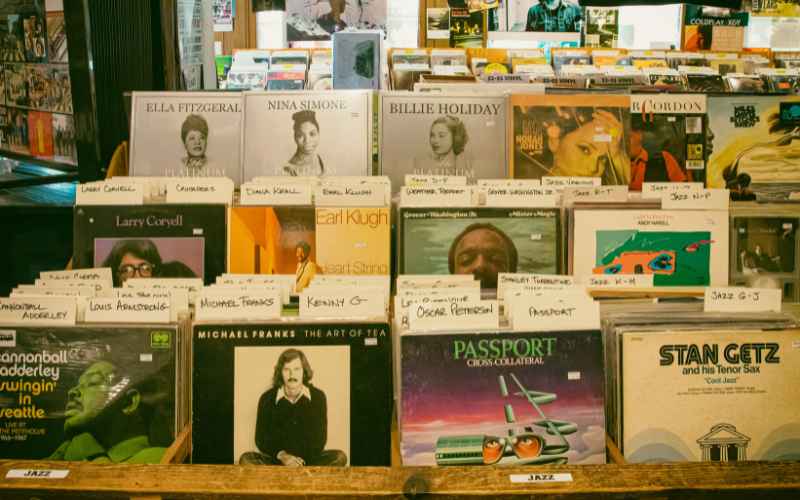
azz becomes much easier to explore when you begin with a sound that already matches your listening preferences. (Image by Unsplash)
Getting familiar with jazz is often easier when you begin with artists whose recordings balance accessibility, personality, and musical depth. These six musicians offer distinct entry points into the genre, from cool jazz and bebop to vocal standards, swing, and lyrical piano.
Miles Davis
Miles Davis is one of the strongest starting points for new listeners because his music spans several major jazz eras without losing its sense of space and clarity. Kind of Blue is especially approachable, built around memorable themes, relaxed tempos, and open improvisation.
Its understated sound makes it easy to follow each instrument without feeling overwhelmed. For anyone exploring the best jazz albums for beginners, this record offers a gentle introduction to modal jazz while showcasing Davis’ restrained trumpet style.
John Coltrane
John Coltrane brings greater intensity and technical ambition, but several of his albums remain accessible to newcomers. Blue Train is an excellent starting point because it combines strong melodies, energetic solos, and a clear hard-bop structure.
Listeners can hear Coltrane’s powerful tenor saxophone alongside a tight ensemble without immediately diving into his more experimental later work. After becoming comfortable with Blue Train, albums such as Giant Steps and A Love Supreme reveal how dramatically his musical language evolved.
Ella Fitzgerald
Ella Fitzgerald is ideal for listeners who prefer to enter jazz through recognizable songs and expressive vocals. Ella Fitzgerald Sings the Cole Porter Songbook presents familiar standards with elegant phrasing, precise diction, and effortless rhythmic control.
Her performances demonstrate how jazz singers reshape melodies while remaining closely connected to the song itself. Fitzgerald’s warmth and clarity make vocal jazz approachable, while her remarkable scat singing and sense of swing provide an introduction to improvisation without relying entirely on instrumental solos.
Dave Brubeck
Dave Brubeck offers a lively introduction to jazz through memorable melodies and unusual rhythmic ideas. The Dave Brubeck Quartet’s Time Out is the essential starting point, particularly because tracks such as “Take Five” combine unconventional meters with melodies that remain immediately engaging.
Brubeck’s piano playing, Paul Desmond’s smooth alto saxophone, and the group’s rhythmic precision create a distinctive sound. The album shows beginners that jazz can experiment with time signatures and structure while still remaining catchy, polished, and easy to enjoy.
Bill Evans
Bill Evans is especially suited to listeners who enjoy intimate, reflective music and subtle interaction between musicians, making Waltz for Debby one of the best jazz albums for beginners. Recorded with his classic trio, the album highlights his lyrical piano style and the unusually conversational relationship among piano, bass, and drums.
Instead of one instrument dominating, the musicians respond continuously to one another. This makes the album valuable for learning how jazz ensembles interact in real time, while its gentle atmosphere and melodic focus keep the listening experience welcoming for newcomers.
Louis Armstrong
Louis Armstrong provides a direct connection to jazz’s early development through his unmistakable trumpet sound, rhythmic creativity, and expressive singing. Beginners can start with Satchmo at Symphony Hall, which captures Armstrong performing with an energetic small group and emphasizes both ensemble playing and individual solos.
His performances make swing feel immediate and joyful, while his phrasing influenced generations of instrumentalists and singers. Armstrong is particularly useful for understanding how personality, timing, and improvisation became central elements of jazz performance.
3. Best Jazz Fusion Albums for Beginners
Jazz fusion blends improvisation with elements of rock, funk, electric instrumentation, and more experimental rhythms, offering another accessible route for anyone exploring the best jazz albums for beginners. Several landmark records balance adventurous ideas with memorable grooves, making them excellent choices for listeners ready to move beyond traditional jazz.
Miles Davis – In a Silent Way: Often regarded as Davis’ first full fusion album, it uses electric keyboards, guitar, slow tempos, and spacious improvisation to create an atmospheric introduction to the style.
Herbie Hancock – Head Hunters: Funk-driven grooves, electric keyboards, and tracks such as “Chameleon” make this one of the most immediately engaging fusion records for new listeners.
Weather Report – Heavy Weather: Featuring “Birdland,” lyrical saxophone, keyboards, and Jaco Pastorius’ distinctive bass work, the album combines sophisticated musicianship with an approachable melodic sound.
Billy Cobham – Spectrum: Powerful drumming, electric guitar, keyboards, and strong grooves make this record a good bridge between jazz improvisation and rock energy.
Return to Forever – Romantic Warrior: Chick Corea, Stanley Clarke, Al Di Meola, and Lenny White combine jazz with progressive rock, synthesizers, funk, and virtuosic ensemble playing across a tightly structured album.
Mahavishnu Orchestra – The Inner Mounting Flame: Fast electric guitar, forceful drums, keyboards, and violin create a more intense fusion experience, making it a natural next step after exploring some of the best jazz albums for beginners.
Jean-Luc Ponty – Enigmatic Ocean: Electric violin gives this album a distinctive identity, while its suite-like arrangements and expansive sound introduce fusion from a more melodic and orchestral perspective.
4. Enjoy Every Listening Session with a FREE Device
Streaming favorite albums and playlists is easier when mobile access is available wherever the day takes you. For eligible households, the Lifeline Program can help reduce the cost of staying connected while supporting everyday needs such as music, messaging, browsing, and online resources.
The Lifeline Program is a federal benefit that helps qualifying low-income consumers reduce the cost of phone service. Eligibility generally comes through one of two paths, and the benefit is limited to one per household.
Income-based eligibility: Household income is at or below 135% of the Federal Poverty Guidelines.
Program-based eligibility: Participation in qualifying assistance programs such as Medicaid, SNAP, SSI, Federal Public Housing Assistance, Veterans Pension or Survivors Benefit, or certain Tribal programs.
TAG Mobile is a U.S. wireless provider headquartered in Houston, Texas, and an approved Lifeline provider serving eligible customers in participating areas. Its Lifeline-supported offering helps qualifying consumers stay connected by combining federally supported monthly wireless service with practical communication features and available device options for everyday use.
Once eligibility is confirmed, choosing a suitable device can make streaming jazz, saving albums, and discovering new artists much more convenient. TAG Mobile currently lists a mix of smartphones and tablets, although exact availability and pricing can vary by ZIP code, state, eligibility, and inventory.
TCL 20 SE: A practical smartphone option for music streaming, browsing playlists, and everyday mobile use.
FOXXD C67: Designed for straightforward daily use, including streaming, messaging, and accessing music apps.
Apple iPhone 7 Plus: Offers a larger display and access to Apple’s app ecosystem for playlists, music libraries, and streaming services.
Clovertek G17: Provides another affordable option for listening, browsing, calls, texts, and other routine mobile tasks.
Samsung Galaxy Tab A 2018: A tablet format that gives listeners more screen space for browsing albums, watching performances, or managing playlists.
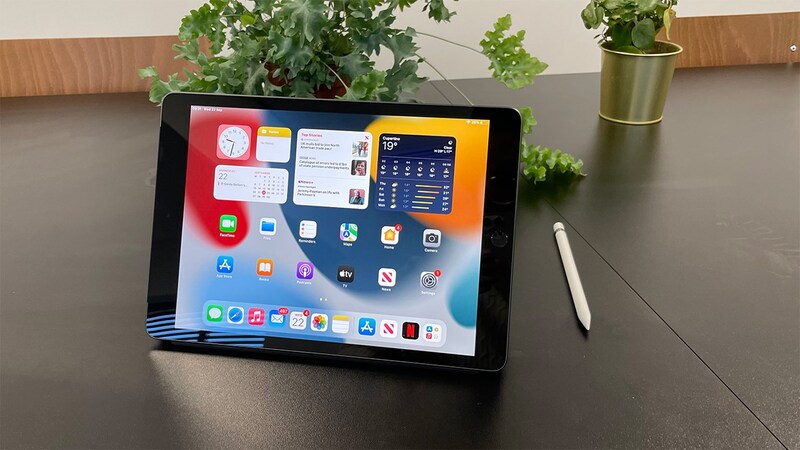
Apple iPad mini 4: Compact tablet design suited to streaming music, reading liner notes, and exploring jazz content on a larger screen than a phone.
Samsung Galaxy A12: A smartphone choice for everyday listening, app access, browsing, and staying connected while exploring new jazz releases.
Device offers are not guaranteed for every applicant, so customers should enter their ZIP code and review the current TAG Mobile options available after confirming Lifeline eligibility.
TAG Mobile offers tablets at prices up to 70% cheaper than outside stores
Note: Eligibility varies by state and program. Offers depend on availability and qualifications. TAG Mobile operates under the federal Lifeline Program as an Eligible Telecommunications Carrier (ETC). Service is non-transferable and limited to one service per household.
5. Frequently Asked Questions About Beginner Jazz
Starting with the right artists and styles can make jazz feel much more approachable, especially when you’re still learning how its rhythms, improvisation, and arrangements work. If you’re looking for the best jazz albums for beginners, these common questions can help you decide where to start and which listening experience may suit you best.
Is Miles Davis a good starting point?
Yes, Miles Davis is one of the most accessible entry points into jazz, especially through albums such as Kind of Blue. Its relaxed pacing, memorable themes, and spacious improvisation make it easier for beginners to follow individual instruments and understand how jazz musicians interact.
What’s the easiest jazz style for beginners?
Cool jazz, vocal jazz, and swing are often among the easiest styles for beginners because they usually feature clear melodies, steady rhythms, and recognizable song structures. Albums from artists such as Miles Davis, Ella Fitzgerald, and Dave Brubeck can provide a comfortable introduction before moving into bebop, free jazz, or more experimental fusion.
Should beginners start with vocal or instrumental jazz?
Either can work, depending on how you normally connect with music. Vocal jazz may feel more familiar because lyrics provide a clear focal point, while instrumental jazz can help you focus more closely on melody, rhythm, improvisation, and the interaction between musicians.
Final Words
Jazz becomes more rewarding when you begin with accessible artists, memorable melodies, and albums that match your listening style. Exploring the best jazz albums for beginners can introduce everything from relaxing cool jazz and vocal classics to energetic swing and fusion.
As your collection grows, eligible listeners can explore Lifeline-supported wireless service through TAG Mobile for convenient streaming and music discovery.
Share
TAG Blog
Stories, guides, and helpful updates for staying connected.