Who Is Eligible for Both Medicare and Medicaid? Full vs. Partial Coverage Guide
Healthcare expenses can quickly strain a limited budget, especially when monthly premiums, prescription costs, and medical bills add up. Some individuals may qualify for both Medic...
Quincy D.-Nov 25, 2026
Image by Unsplash
Table of Contents
Healthcare expenses can quickly strain a limited budget, especially when monthly premiums, prescription costs, and medical bills add up. Some individuals may qualify for both Medicare and Medicaid, giving them access to additional financial support. But who is eligible for both Medicare and Medicaid, and what benefits can dual eligibility provide?
1. Who Is Eligible for Both Medicare and Medicaid?
Individuals who qualify for both Medicare and Medicaid are considered dual-eligible beneficiaries. This status allows eligible individuals to receive Medicare coverage alongside full Medicaid benefits or financial assistance with certain Medicare expenses.
According to the Centers for Medicare & Medicaid Services (CMS), you may qualify for dual eligibility if:
You are enrolled in Medicare Part A, Part B, or both; and
You qualify for full Medicaid benefits based on your state’s eligibility requirements, or receive assistance with Medicare premiums and other qualifying out-of-pocket costs through a Medicare Savings Program (MSP).
Dual eligibility falls into two primary categories: full dual eligibility, which provides Medicare alongside comprehensive Medicaid benefits, and partial dual eligibility, which primarily helps cover certain Medicare expenses.
Approximately 12 million Americans are enrolled in both programs, according to KFF’s 2026 analysis. Since income limits, asset requirements, and available benefits vary by state, contacting your state Medicaid agency is the most reliable way to determine your eligibility.
2. Which Types of Dual-Eligible Beneficiaries May Qualify for Extra Help?
Medicare and Medicaid offer different levels of financial assistance based on income, resources, and healthcare needs. Understanding who is eligible for both Medicare and Medicaid helps beneficiaries identify whether they qualify for full or partial coverage.
Full-benefit dual-eligible individuals receive Medicare and full Medicaid coverage, which may include long-term care, home-based services, and behavioral healthcare. Three main eligibility categories include
QMB Plus (02): Generally applies to individuals earning up to 100% of the Federal Poverty Level (FPL). Covers Medicare Part A and B premiums, deductibles, coinsurance, copayments, and full Medicaid benefits.
SLMB Plus (04): Generally applies to individuals earning 100%-120% FPL who also qualify for full Medicaid. Covers Part B premiums and provides additional Medicaid benefits.
Other Full-Benefit Dual Eligible (08): Provides full Medicaid benefits to individuals outside the QMB and SLMB categories. Medicare cost-sharing assistance varies by state and eligibility.
Partial-Benefit Dual-Eligible Beneficiaries
Partial-benefit dual-eligible individuals receive Medicare alongside limited financial assistance through Medicare Savings Programs (MSPs). These programs help cover specific Medicare expenses without providing full Medicaid benefits.
QMB Only (01): Generally applies to individuals earning up to 100% FPL. Covers Medicare Part A and B premiums, deductibles, coinsurance, and copayments.
SLMB Only (03): Generally covers individuals earning 100%-120% FPL. Pays Medicare Part B premiums.
QI – Qualifying Individual (06): Generally applies to individuals earning 120%-135% FPL. Helps cover Medicare Part B premiums.
QDWI – Qualified Disabled and Working Individual (05): Helps qualifying working individuals with disabilities earning up to 200% FPL pay Medicare Part A premiums.
Income and resource eligibility limits may differ by state, so applicants should check their local Medicaid requirements.
3. How to Check Eligibility for Both Medicare and Medicaid?
Determining who is eligible for both Medicare and Medicaid requires reviewing Medicare enrollment and state-specific Medicaid qualifications separately. Following these four steps can help applicants identify potential benefits and prepare documentation without unnecessary enrollment delays.
Step 1: Check Your Medicare Eligibility Status
Start by confirming whether you are enrolled in Medicare Part A, Part B, or both. Medicare generally serves adults aged 65 and older and certain younger individuals with qualifying disabilities or medical conditions.
If you have not enrolled, check your eligibility and available enrollment options through Social Security.
Step 2: Review Your Income and Assets Under State Medicaid Rules
Compare your monthly income, savings, and other countable resources against your state’s Medicaid eligibility requirements. Income limits vary by program and household circumstances, while certain assets, such as a primary residence, may be excluded under applicable rules.
Step 3: Apply Through the Correct State or Federal Channel
Submit your Medicaid or Medicare Savings Program application through your state Medicaid agency.
If Medicare enrollment is also needed, apply separately through the Social Security Administration. Prepare identification, proof of income, financial records, and Medicare information to support your application and help prevent processing delays.
Step 4: Review Your Benefits and Confirm Your Enrollment
After receiving an eligibility decision, review your approval notice to determine whether you qualify for full or partial dual benefits. Confirm which Medicare premiums, medical expenses, and Medicaid services are covered.
Who is eligible for both Medicare and Medicaid? Learn how to verify dual eligibility and access Medicare and Medicaid benefits. (Image by Unsplash)
4. What Other Benefits Can Dual-Eligible Individuals Access Beyond Healthcare?
Healthcare assistance can significantly reduce medical expenses, but everyday costs such as phone bills may still strain a limited budget.
Fortunately, Medicaid recipients may qualify for additional support through the federal Lifeline Program, which helps eligible households afford essential communication services.
Many people mistakenly assume that Medicare participation qualifies them for Lifeline, but Medicare itself is not a qualifying program.
What Medicaid Recipients Should Know About Lifeline Benefits
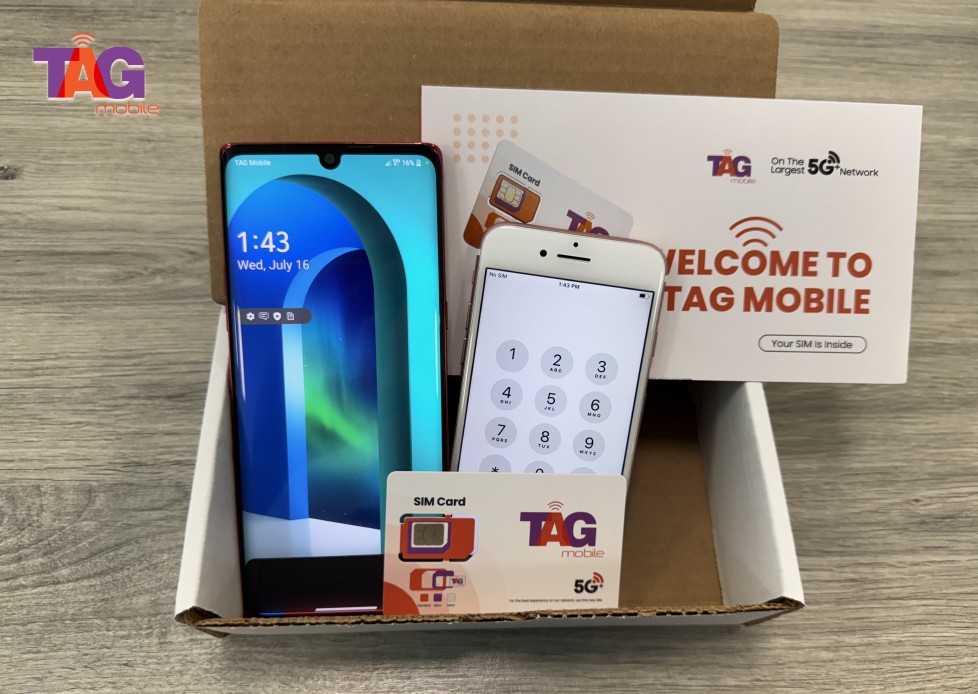
TAG Mobile, a leading wireless service provider that helps low-income individuals access affordable mobile connectivity through Lifeline. The convenient online enrollment, free monthly phone service, and available free or discounted smartphone offers make it an attractive option for Medicaid beneficiaries seeking additional savings.
Individuals receiving qualifying Medicaid benefits can meet Lifeline’s program-based eligibility requirements. Alternatively, households may qualify if their income is at or below 135% of the Federal Poverty Guidelines, with eligibility determined by household size and location.
How to Apply for a Free Phone at TAG Mobile With Medicaid
Applying for Lifeline through TAG Mobile can help eligible Medicaid recipients reduce phone expenses while maintaining access to important contacts and services.
Follow these steps to check available smartphone offers and complete the enrollment process:
Check Your Lifeline Eligibility: Confirm that you participate in Medicaid or another qualifying assistance program, or meet the household income requirements.
Check ZIP Code Availability: Visit TAG Mobile’s website and enter your ZIP code to view available Lifeline plans and device offers in your area.
Complete the Application: Enter your full name, date of birth, residential address, and other personal information requested.
Verify Your Eligibility: Complete the required Lifeline verification. If your Medicaid participation cannot be confirmed automatically, provide an accepted benefits statement, approval letter, or other requested documentation.
Submit Your Order and Wait for Delivery: Review your application and order details, then submit them for processing. Approved orders typically take around 7-10 business days to ship and arrive, depending on processing time and availability.
TAG Mobile is the one of the most trusted Lifeline provider choices for eligible US residents.
Note: Eligibility varies by state and program. Offers depend on availability and qualifications. TAG Mobile operates under the federal Lifeline Program as an Eligible Telecommunications Carrier (ETC). Service is non-transferable and limited to one service per household.
5. FAQs about Dual Medicare and Medicaid Eligibility
Qualifying for both programs can affect prescription costs, medical bills, and access to additional healthcare services. These frequently asked questions address important details that help beneficiaries understand their coverage and maintain available benefits.
Can you qualify for Medicare and Medicaid if you are under 65?
Yes, individuals under 65 may qualify for Medicare through certain disabilities or medical conditions, including ALS and end-stage renal disease. They can also become dual-eligible if they meet their state’s Medicaid income, resource, and other eligibility requirements.
Which program pays first, Medicare or Medicaid?
Medicare generally pays first for Medicare-covered healthcare services when someone has both programs. Medicaid acts as the payer of last resort and may cover eligible remaining expenses according to state regulations.
Do dual-eligible beneficiaries automatically qualify for Extra Help?
Yes, individuals receiving full Medicaid benefits or assistance through a qualifying Medicare Savings Program automatically qualify for Extra Help with Medicare Part D prescription drug costs.
Can Medicare and Medicaid cover long-term care expenses?
Medicare covers certain short-term skilled nursing and medically necessary services but generally excludes ongoing custodial care. Full-benefit Medicaid may cover qualifying nursing home care and home- or community-based services.
Can you lose dual eligibility if your income increases?
Yes, higher income or changes in countable resources may affect Medicaid or Medicare Savings Program eligibility. However, losing Medicaid assistance does not automatically terminate Medicare coverage if you continue meeting Medicare’s eligibility requirements.
Dual eligibility can make healthcare more affordable by combining Medicare and Medicaid benefits to cover different medical expenses. A clear understanding of who is eligible for both Medicare and Medicaid can help individuals identify the support available to them and plan for future healthcare needs.
Eligible Medicaid recipients may also qualify for free phone service through TAG Mobile, providing another opportunity to reduce monthly expenses and manage household costs.
Share
TAG Blog
Stories, guides, and helpful updates for staying connected.