Which Type of Financial Aid Is Considered Free Money? College Funding Breakdown
Paying for college can be challenging, especially when tuition, books, housing, and other expenses quickly add up. Fortunately, students do not always have to rely on loans to cove...
Quincy D.-Nov 25, 2026
Image by Unsplash
Table of Contents
Paying for college can be challenging, especially when tuition, books, housing, and other expenses quickly add up. Fortunately, students do not always have to rely on loans to cover the cost of higher education. Some financial aid options provide funding that does not need to be repaid.
But which type of financial aid is considered free money, and how can students qualify for these opportunities? This guide explains the main options and what to know before applying.
1. Which Type of Financial Aid Is Considered Free Money?
Grants and scholarships are generally considered free money, or gift aid, because you usually do not have to repay them if you meet the award’s requirements. A college may list all three types of aid in one offer, but each affects your budget differently.
Aid category
Type of financial aid
What it means for you
Free money
Grants and scholarships
These awards reduce your college costs. Check which expenses they cover and what you must do to keep them.
Money you must earn
Federal Work-Study
You earn wages by working at an eligible job. The amount listed in your offer is the most you can earn through the award.
Money you must repay
Student loans
You borrow money for college and generally repay it with interest. You can accept less than the full amount offered.
2. Which Grants Do Students Receive Without Repayment?
Eligible students can receive several types of grants that generally do not require repayment, including federal, state, and college-funded awards.
Each program has its own eligibility rules and conditions for keeping the funding.
Federal Pell Grants for Students With Financial Need
When considering which type of financial aid is considered free money, Federal Pell Grants are one of the main options to know.
A Federal Pell Grant provides financial assistance to eligible undergraduate students who demonstrate financial need. Your school uses the information submitted through the FAFSA to determine whether you qualify and how much funding you may receive.
Eligibility: Based primarily on financial need and other federal requirements.
How to apply: Submit the FAFSA so your school can evaluate your eligibility.
Important consideration: Before dropping a course, check whether the change could affect a Pell Grant you have already received.
Federal Supplemental Educational Opportunity Grants (FSEOG)
FSEOG provides additional financial support to undergraduates with exceptional financial need.
Participating colleges distribute these funds and generally give priority to Pell Grant recipients. However, funding is limited, so meeting the eligibility requirements does not guarantee an award.
Who receives priority: Students with exceptional financial need, particularly Pell Grant recipients.
Application: Complete the FAFSA and meet your college’s priority deadline.
Funding availability: Awards depend on the school’s limited allocation.
TEACH Grants for Students Preparing to Become Teachers
A TEACH Grant helps eligible students pay for an approved teacher preparation program. Unlike grants based solely on financial need, this award comes with a teaching service obligation that recipients must fulfill to avoid repayment.
To keep the funding as a grant, recipients generally must:
Complete four academic years of qualifying full-time teaching.
Work in a high-need field serving low-income students.
Fulfill the teaching requirement within eight years of leaving the program.
Failing to meet the service obligation can cause the grant to convert into a loan that must be repaid with interest.
State and Institutional Grants for Eligible Students
When comparing which type of financial aid is considered free money, state and institutional grants are also worth considering.
State agencies and colleges offer these awards to students who meet specific residency, financial need, or enrollment requirements. Some programs use FAFSA information to determine eligibility, while others require a separate application.
Eligibility rules: State residency, household income, and enrollment in an approved program.
Application requirements: Whether you need to submit additional forms beyond the FAFSA.
Renewal conditions: Academic progress, course load, and other requirements that may affect funding for the following year.
Check these conditions before including a grant in your long-term college budget.
Federal, state, and college grants can help students pay for education without taking on additional debt. (Image by Unsplash)
3. When Does Free Financial Aid Require Repayment?
Grants and other forms of free financial aid are generally considered which type of financial aid is considered free money because students usually do not need to repay them.
However, certain changes in enrollment status or eligibility can create a repayment obligation. Depending on the circumstances, students may have to return part or all of their federal grant funding.
You may be required to repay a grant in the following situations:
Withdrawing From School Early: Leaving your academic program before completing the payment period may mean you received more grant funding than you were eligible to keep.
Dropping Below Full-Time or Changing Enrollment Status: Reducing your course load or switching from full-time to part-time enrollment can lower your grant eligibility, requiring you to return the excess amount.
Receiving Additional Scholarships or Grants: Outside financial assistance may reduce your demonstrated financial need, which can affect the amount of federal grant funding you are entitled to receive.
Failing to Meet TEACH Grant Service Requirements: If you do not complete the required four years of qualifying teaching service within eight years, your TEACH Grant may convert into a Direct Unsubsidized Loan that must be repaid with interest.
Failing to Meet Other Grant Conditions: Each federal grant has specific eligibility and renewal requirements. Losing eligibility under those conditions may result in repayment of some or all of the award.
4. What Other Programs Can Help Manage Expenses While in College?
College expenses extend beyond tuition, with phone bills, transportation, and everyday necessities adding pressure to limited budgets.
For students from qualifying low-income households, the federal Lifeline program may help reduce monthly phone or internet costs.
Lifeline Benefits for Eligible College Students
Lifeline is available to eligible consumers, including college students who meet its qualification requirements. You may qualify through either of these pathways:
Program-Based Eligibility: Participate in SNAP, Medicaid, Supplemental Security Income (SSI), Federal Public Housing Assistance (FPHA), Veterans Pension or Survivors Benefit, or certain qualifying Tribal assistance programs.
Income-Based Eligibility: Have a household income at or below 135% of the Federal Poverty Guidelines.
Keep in mind that being a college student does not automatically qualify you for Lifeline. Household composition and eligibility rules determine whose income and benefits are considered. Applicants must also complete the required verification process.
TAG Mobile Plans and Available Smartphone Offers
TAG Mobile is a U.S. wireless provider and an Eligible Telecommunications Carrier (ETC) that provides Lifeline-supported wireless service to qualifying customers.
To apply for TAG Mobile Lifeline service and check available device offers, follow these steps:
Review Your Qualification: Make sure you meet Lifeline’s income requirements or receive benefits from an eligible government assistance program.
Check Local Service Options: Go to TAG Mobile’s website and enter your ZIP code to find out which Lifeline plans and device promotions are offered in your area.
Fill Out the Online Form: Enter the required details, including your legal name, date of birth, home address, and other application information.
Complete the Eligibility Check: Follow the instructions to verify your Lifeline status. You may need to upload a recent benefit statement or program approval letter if required.
Finalize Your Application and Order: Review the information you submitted and confirm your selected service or device offer. Once approved, your order can be processed, with delivery typically taking around 7-10 business days, depending on stock and processing time.
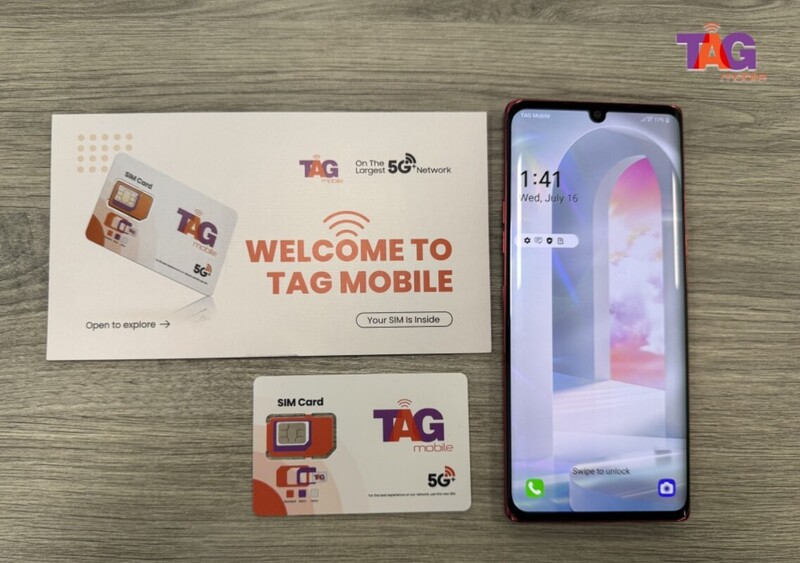
TAG Mobile helps low-income users get higher smartphone models and telecommunication services
Note: Eligibility varies by state and program. Offers depend on availability and qualifications. TAG Mobile operates under the federal Lifeline Program as an Eligible Telecommunications Carrier (ETC). Service is non-transferable and limited to one service per household.
5. FAQs about Free Financial Aid
College funding becomes easier to navigate when you understand which awards require repayment and which reduce expenses permanently. If you’re wondering which type of financial aid is considered free money, these frequently asked questions clarify how grants, scholarships, FAFSA, and work-study compare.
Are grants or scholarships better for paying for college?
Both grants and scholarships can reduce college expenses without repayment, provided students meet their award requirements. Grants typically prioritize financial need, while scholarships may consider academic achievement, talents, or other qualifications, making the better option dependent on individual eligibility.
Do you have to pay back a Pell Grant?
Federal Pell Grants generally do not require repayment. However, students may need to return some funds if they withdraw early, experience enrollment changes, or receive awards that affect their eligibility.
Can you receive multiple scholarships at the same time?
Yes, students can receive multiple scholarships as long as they meet each program’s requirements. However, combined financial assistance generally cannot exceed the school’s calculated cost of attendance, and certain scholarships may restrict how funds can be combined.
Does FAFSA give you free money?
FAFSA does not directly award money but helps determine eligibility for federal financial aid, including grants, work-study opportunities, and student loans. Eligible students may receive grants that do not require repayment, while loans must generally be repaid with interest.
Is work-study considered free financial aid?
Federal Work-Study provides opportunities for eligible students to earn money through part-time employment rather than receive funds automatically. Unlike student loans, these earnings do not require repayment, but students must work to receive them.
6. Final Thoughts
Grants and scholarships offer valuable opportunities to reduce college expenses without accumulating debt. When exploring which type of financial aid is considered free money, prioritize awards that match your eligibility and financial needs.
Beyond tuition assistance, TAG Mobile‘s Lifeline offers can help eligible students save on monthly phone bills. Combining these resources makes college expenses easier to manage.
Share
TAG Blog
Stories, guides, and helpful updates for staying connected.