What is Food Insecurity Mean? Definition, Signs, Causes & Solutions
Access to enough nutritious food is essential for a healthy and stable life, yet many households face challenges that make regular meals difficult to maintain. Financial pressure...
Quincy D.-Nov 24, 2026
Image by Unsplash
Table of Contents
Access to enough nutritious food is essential for a healthy and stable life, yet many households face challenges that make regular meals difficult to maintain. Financial pressure, rising grocery prices, transportation barriers, and housing insecurity can all affect a family’s ability to put food on the table.
But what is food insecurity, how does it affect daily life, and what support is available for those facing these challenges?
1. What is Food Insecurity Mean?
Food insecurity means having limited or uncertain access to enough nutritious food for an active, healthy life.
When asking what is a food insecurity, the key issue is not simply hunger, but whether a household can consistently afford and obtain adequate food without sacrificing other essential needs.
2. What Are the Different Levels of Food Security?
USDA classifies household food security into four levels based on access, quality, and changes in eating patterns.
Understanding these categories helps clarify what is the definition of food insecurity and where concerns about food access become measurable hardship.
High Food Security – Reliable Access to Food
High food security means a household reports no problems or limitations in accessing enough food. Meals are generally consistent, varied, and adequate, with little or no concern about running out of groceries or being unable to afford nutritious options.
Marginal Food Security – Worry About Food Availability
Marginal food security involves occasional worry or anxiety about having enough food but little or no actual reduction in the amount or quality of food consumed. USDA does not include this category in the official food insecurity rate.
Low Food Security – Reduced Food Quality or Variety
Low food security occurs when households begin compromising the quality, variety, or desirability of their diets because of limited resources.
This stage helps explain what is food insecurity, as it marks the first USDA category officially counted as food insecure.
Very Low Food Security – Disrupted Eating Patterns
Very low food security represents the most severe level, where eating patterns are disrupted, and food intake may be reduced because the household lacks enough money or resources for food.
Adults or other household members may skip meals, eat less, or go without food for periods of time.
3. What Causes Food Insecurity in the United States?
Several pressures can push a household from financial strain into difficulty maintaining regular, nutritious meals. Looking at what is food insecurity also means looking at the economic and practical barriers that weaken consistent access to enough groceries.
Low or Unstable Household Income
Limited earnings can make essentials compete for the same paycheck.
After covering rent, utilities, transportation, and healthcare, there may be too little left for groceries, especially when work hours change or income is unpredictable.
Rising Housing and Living Costs
Higher rent, energy bills, transportation costs, and everyday expenses can squeeze the household budget. Families may respond by choosing cheaper products, reducing variety, delaying shopping trips, or cutting back on portions.
Unemployment or Reduced Work Hours
Losing a job or having work hours cut can create an immediate gap between income and monthly expenses. Even a short disruption may force households to rely on savings, community assistance, or benefit programs.
Limited Access to Affordable Grocery Stores
Some neighborhoods have fewer full-service supermarkets, while transportation barriers can make distant stores difficult to reach. Without convenient access, households may depend on smaller retailers with fewer fresh options and higher prices.
The USDA Food Access Research Atlas provides maps and indicators that help identify areas where distance and transportation may limit access to food retailers.
Unexpected Medical and Emergency Expenses
A medical bill, car repair, or family emergency can quickly redirect money away from groceries. Households with little savings may have to postpone purchases or reduce spending until finances recover.
Gaps in Public Assistance
Benefit changes, processing delays, or limited monthly support can leave some families without enough help to cover essential needs.
In those situations, local pantries, meal programs, and community organizations often become important backup resources.
Key economic and social factors contribute to food insecurity across the United States. (Image by Unsplash)
4. More Assistance Programs for Households Facing Food Insecurity
When grocery costs are already stretching the household budget, reducing another monthly expense can create valuable breathing room. Separate assistance programs may help eligible households manage essential costs beyond food, including phone and internet service.
Reduce Monthly Phone Costs With the Lifeline Program
Lifeline is a federal benefit that helps eligible low-income consumers reduce the cost of phone or internet service.
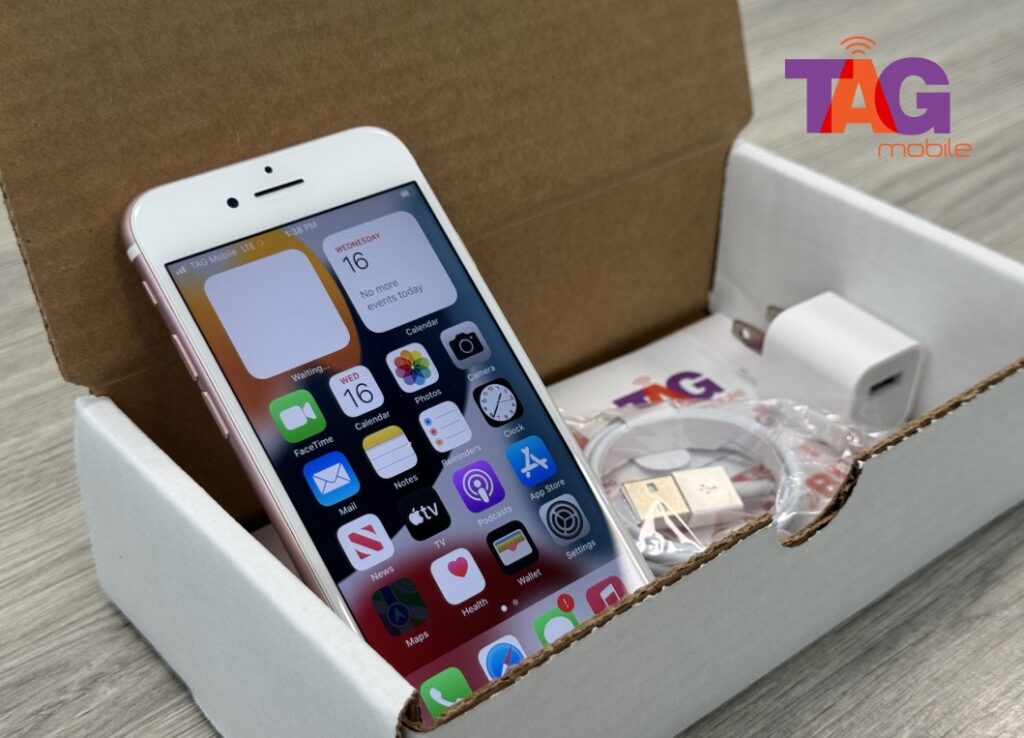
TAG Mobile is an Eligible Telecommunications Carrier (ETC) offering Lifeline-supported wireless service to qualifying consumers.
Depending on the available plan and location, eligible customers may access benefits such as:
Wireless Service Benefits: Talk, text, and data allowances based on the available plan.
Free International Calling: Calls to more than 200 countries and territories.
Free Wi-Fi Calling: Make calls over a Wi-Fi connection.
Free SIM Kit or eSIM: Available for compatible devices.
Free Shipping: Included with eligible device orders.
Free or Discounted Devices: Certain promotional offers may provide smartphones at no cost or reduced prices, subject to eligibility, ZIP code, inventory, and promotional terms.
If you receive SNAP or participate in another qualifying assistance program, you can check your eligibility and apply for TAG Mobile service.
The application process generally involves these steps:
Check Your Eligibility: Confirm that you participate in SNAP or another qualifying program, or that your household income meets Lifeline requirements.
Check ZIP Code Availability: Visit TAG Mobile’s website and enter your ZIP code to see which Lifeline plans and device offers are available in your area.
Complete the Application: Provide your full name, date of birth, residential address, and other requested personal information.
Verify Your Eligibility: Complete the required Lifeline verification. If your SNAP participation cannot be confirmed automatically, you may need to submit an accepted benefits statement or approval letter.
Review Available Plans and Devices: Once your eligibility is approved, check the service benefits, device prices, and promotional terms before selecting an offer.
Submit Your Order: Review your application and order details, then submit them for processing. Approved orders typically take around 7-10 business days to ship and arrive, depending on processing time and availability.
Where can I get a free phone or tablet? TAG Mobile is the answer.
Note: Eligibility varies by state and program. Offers depend on availability and qualifications. TAG Mobile operates under the federal Lifeline Program as an Eligible Telecommunications Carrier (ETC). Service is non-transferable and limited to one service per household.
5. FAQs about Food Insecurity
Recognizing what is food insecurity becomes easier when you understand how it differs from hunger and how it can affect households in everyday situations. These common questions clarify who can experience it and where support may be available.
Is food insecurity the same as hunger?
No. Hunger describes a physical feeling caused by not having enough to eat, while food insecurity refers to limited or uncertain access to adequate food because of financial or other resource constraints.
Can someone experience food insecurity without being homeless?
Yes. People can have stable housing and still struggle to afford enough nutritious food after paying rent, utilities, healthcare, transportation, and other essential expenses.
What is an example of food insecurity?
A household may regularly buy cheaper, less varied foods because groceries are unaffordable near the end of the month. More difficult situations can involve reducing portions or skipping meals because there is not enough money for food.
How can families get help with food insecurity?
Families can explore SNAP, WIC, school meal programs, food pantries, community distributions, and senior nutrition services depending on eligibility. Calling 211 can also help identify local food resources and emergency assistance.
Food insecurity affects more than access to meals; it can also put pressure on a household’s health, finances, and daily life. A clear understanding of what is food insecurity can help families recognize when they need support and find resources such as SNAP, local food pantries, and community assistance programs.
Eligible recipients may also qualify for Lifeline through TAG Mobile to reduce monthly wireless expenses. Visit the TAG Mobile blog for more practical guides on food assistance and other ways to manage essential household costs.
Share
TAG Blog
Stories, guides, and helpful updates for staying connected.