Grants for Single Moms to Buy a House: Where to Find Real Homebuyer Assistance
Managing a single-income budget can make homeownership feel out of reach when down payments and closing fees add to daily living expenses. Exploring grants for single moms to buy a...
Quincy D.-Sep 28, 2026
Image by Unsplash
Table of Contents
Managing a single-income budget can make homeownership feel out of reach when down payments and closing fees add to daily living expenses. Exploring grants for single moms to buy a house can connect you with funding to significantly lower these upfront costs. Because most programs are open to all qualifying applicants, approval generally depends on income limits, credit profile, and location.
1. Are There Grants for Single Moms to Buy a House?
Yes. Single mothers can access homebuying programs that provide grants, down-payment assistance, or other forms of financial support.
While very few programs are reserved exclusively for single parents, eligibility is typically based on local income thresholds, first-time buyer status, and the specific guidelines of each lending agency.
Single moms may qualify for free grants for single moms to buy a house (Image by Unsplash)
2. 6 Down Payment Assistance Options for Single Moms
Homebuyers can reduce upfront costs through assistance from nonprofits and housing agencies.
Each option works differently, so applicants should compare the program’s funding structure and eligibility requirements.
National Homebuyers Fund Down Payment Assistance
The National Homebuyers Fund offers down payment and closing cost assistance through participating mortgage lenders.
Depending on the specific program, support may be combined with eligible mortgage financing, helping qualified buyers reduce the amount of cash needed at closing.
Chenoa Fund Down Payment Assistance
Chenoa Fund, offered through CBC Mortgage Agency, helps qualifying buyers cover part or all of the minimum down-payment requirement on eligible loans.
Some options are structured as repayable second mortgages, while others may become forgivable after borrowers meet specific payment and occupancy conditions.
State Housing Finance Agency Down Payment Assistance
Available assistance may include grants, loans, and other homebuyer support designed for low- and moderate-income buyers.
Eligibility varies by state and may depend on the program’s financial and homebuyer requirements.
City and County Homebuyer Assistance Programs
Cities and counties may offer down-payment or closing-cost support using local funds or federal housing resources.
Programs can help reduce upfront costs through grants, deferred loans, forgivable assistance, principal reduction, or other forms of financial support.
Participating communities may use CDBG resources for approved homeownership assistance that makes purchasing a home more affordable.
Buyers do not apply to HUD directly for this assistance. Instead, they need to identify a local government, housing agency, or approved program that uses CDBG funds for homebuyer support and then follow that organization’s application process.
Local HOME-Funded Homebuyer Assistance
HOME Investment Partnerships funding can be used by participating jurisdictions to support affordable homeownership for eligible lower-income households.
Local programs may apply these funds toward approved homeownership expenses connected with purchasing a qualifying property.
Since HOME funds are managed locally, benefit amounts and repayment structures vary.
Applicants should check local housing agencies for current programs and review the applicable homebuyer requirements before applying.
3. Which Government Programs Can Reduce Upfront Cash Requirements?
Large down payments and closing expenses can make homeownership difficult even when a buyer can manage the monthly mortgage.
Certain federal programs address this barrier through different forms of homebuying assistance.
No down payment is typically required, although borrowers with assets above program limits may need to contribute some funds.
Payment assistance can also reduce monthly mortgage costs based on adjusted household income, making the program especially valuable for buyers with limited savings.
Applicants must meet USDA’s eligibility requirements and apply directly through USDA Rural Development.
For buyers researching government grants for single moms to buy a house, it is important to note that this is a direct loan program rather than a traditional grant.
FHA Loans
FHA-insured mortgages can lower the initial cash barrier because qualified borrowers generally need a minimum investment of 3.5% of the property’s adjusted value.
That required amount may come from acceptable sources, including personal funds or qualifying assistance.
FHA itself does not provide a homebuyer grant. Instead, it insures loans issued by approved lenders, which can make financing more accessible for borrowers with limited savings or less-than-perfect credit compared with some conventional mortgage options.
Participants must generally meet the program’s eligibility requirements and complete required homeownership counseling before assistance begins.
Availability is not nationwide at every housing authority because each public housing agency chooses whether to operate the program.
HUD Good Neighbor Next Door Program
Good Neighbor Next Door can dramatically reduce a home’s purchase price for eligible law enforcement officers, teachers, firefighters, and emergency medical technicians.
HUD offers qualifying properties in designated revitalization areas at a 50% discount from the listed price, significantly lowering the amount buyers need to finance.
Participants must use the property as their principal residence for 36 months. Eligible homes are available only through the program’s listings, and when multiple qualified buyers want the same property, selection may be made by lottery.
4. How Can Reducing Household Phone Subscriptions Help Save for a Mortgage?
Cutting recurring wireless expenses can free up part of the monthly budget for a down payment, closing costs, emergency savings, or future mortgage payments.
Small reductions may seem modest, but they can add up over a longer homebuying timeline.
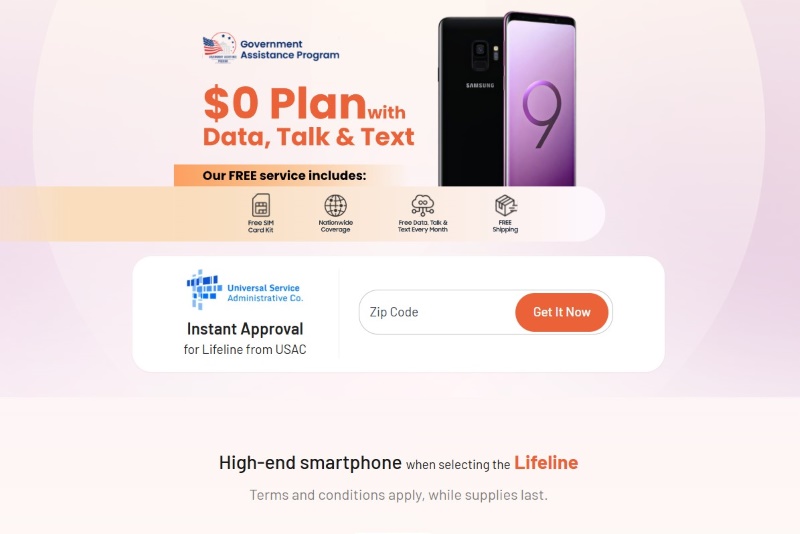
TAG Mobile is a U.S. wireless service provider and Eligible Telecommunications Carrier that participates in the Lifeline Program.
To apply, households must first qualify for Lifeline. Eligibility is generally based on household income at or below 135% of the Federal Poverty Guidelines or participation in an approved program such as SNAP, Medicaid, or SSI.
Starting an application with TAG Mobile involves a few practical steps. Reviewing eligibility, plan details, and device availability before submitting an order can help applicants understand exactly what is offered in their area.
Confirm eligibility: Verify qualification through household income or participation in an approved government assistance program.
Enter your ZIP code: Check whether TAG Mobile Lifeline service and device offers are currently available where you live.
Review the available plan: Check the service features and provider options offered in your state.
Choose a free or discounted device: Review the devices and offers currently available for your ZIP code.
Complete the application: Provide accurate information required for eligibility verification.
Submit supporting documents if requested: Upload documents needed to verify your eligibility when additional verification is required.
Finish enrollment and activation: Confirm your order, follow delivery instructions, and activate the service once your SIM or device arrives.
Note: Eligibility varies by state and program. Offers depend on availability and qualifications. TAG Mobile operates under the federal Lifeline Program as an Eligible Telecommunications Carrier (ETC). Service is non-transferable and limited to one service per household.
5. FAQs about Grants for Single Moms to Buy a House
Homebuyer assistance can reduce upfront costs, but the rules differ depending on whether the support is a grant, forgivable loan, or mortgage program.
Can I buy a house with no down payment?
Yes, some qualified buyers can purchase a home without a traditional down payment through programs such as USDA or VA loans.
Eligibility depends on the requirements of the applicable program and lender.
Do I have to repay a first-time homebuyer grant?
True grants generally do not require repayment, but many homebuyer assistance programs use loans with different repayment or forgiveness conditions.
Forgivable assistance may require you to remain in the home for a specified period before the balance is fully forgiven.
Does HUD give grants directly to single moms to buy homes?
Generally, no. HUD does not offer a nationwide homebuying grant specifically for single mothers; instead, it funds state and local governments and housing organizations that may provide down-payment or closing-cost assistance.
6. Final Thoughts
The right mix of financial assistance can make homeownership more manageable on a single income. Grants for single moms to buy a house may reduce upfront costs, but buyers should review the program’s eligibility and repayment requirements before they commit.
Qualifying households may also use TAG Mobile’s Lifeline-supported service to keep monthly phone costs more affordable.
Share
TAG Blog
Stories, guides, and helpful updates for staying connected.