When grocery budgets run short, nearby food assistance can make an immediate difference. Searching for a food pantry near me can connect you with nonprofit networks, churches, community centers, and local distribution sites offering free groceries.
Hours, eligibility rules, and pickup methods vary, so checking the details in advance helps you find an open location that fits your household’s needs.
1. How to Find a Food Pantry Near Me
Local food assistance is easier to locate when you use trusted directories and community resources instead of relying on random search results. If you are asking where is a food pantry near me, the options below can help you find nearby programs, current schedules, and available services.
Feeding America
Feeding America connects people with a nationwide network of food banks and local partner pantries. Its online locator allows users to search by ZIP code and find nearby grocery assistance, making it a useful starting point for households seeking established community support.
- Main service: Connects users with local food banks and partner pantries.
- Search method: Enter your ZIP code to find nearby assistance.
- Useful for: Finding community-based food distribution programs in your area.
Food Finder
Food Finder helps users locate free food distribution sites and community pantries based on their location. Its listings may provide practical details that help households identify suitable options and plan their visits before traveling to a distribution site.
- Main service: Identifies free food distribution locations and local pantries.
- Available details: May include operating hours, contact information, and service descriptions.
- Useful for: Checking nearby food assistance options before making a trip.
211
United Way 211 connects people with local food assistance, emergency groceries, and other community resources.
If an online food pantry near me search leaves you unsure about eligibility or where to go, trained specialists can help identify suitable programs and explain important details.
- Main service: Provides referrals to food assistance and community support programs.
- Available information: Nearby pantry locations, eligibility requirements, and pickup schedules.
- Useful for: Finding local resources and understanding how to access available assistance.
Hunger Free America
Hunger Free America provides tools and resources to help households access food assistance programs.
Depending on your location, its resources may include information about food pantries, community meal sites, SNAP assistance, and other services designed to address food insecurity.
- Main service: Connects households with food assistance resources.
- Available support: Food pantry information, community meals, and SNAP-related resources.
- Useful for: Exploring different forms of food assistance beyond traditional pantry visits.
Local Churches and Community Centers
Churches, faith-based organizations, and community centers often operate neighborhood food pantries or organize regular grocery distributions.
These smaller programs may focus on specific communities and can provide another option when larger food assistance locations have limited availability.
- Main service: Provides groceries through local pantries and community distribution events.
- Availability: Schedules and eligibility requirements vary by organization.
- Useful for: Finding neighborhood-based assistance and additional grocery support close to home.
>>> Read More: $3000 Food Allowance for Seniors: Is It Available in 2026?
2. What Food Pantry Is Open Today Near Me?
Same-day food assistance can change quickly because pantry hours depend on staffing, donations, holidays, and local distribution schedules. If you are searching for any food pantry open today near me, confirm availability before leaving whenever possible.
- Check Current Hours Online: Review the pantry’s official website, local directory listing, or food bank page for today’s operating hours and distribution times.
- Call Before You Visit: Contact the pantry directly to confirm that food distribution is still available and ask whether supplies are limited.
- Ask About Walk-In Service: Some locations accept visitors without appointments, while others require registration, scheduled pickup, or advance reservations.
- Verify Same-Day Eligibility: Ask whether identification, proof of address, household information, or other documents are required before receiving groceries.
- Check Alternative Locations: If one pantry is closed or out of supplies, 211, local food banks, churches, and community centers may help identify another open option nearby.
3. What Can You Get From a Free Food Pantry?
Food pantries typically provide a mix of everyday groceries and household essentials designed to help families stretch their food budget. Inventory varies by pantry, distribution day, donations, and local availability, so the exact selection can change from one visit to the next.
Fresh Fruits and Vegetables
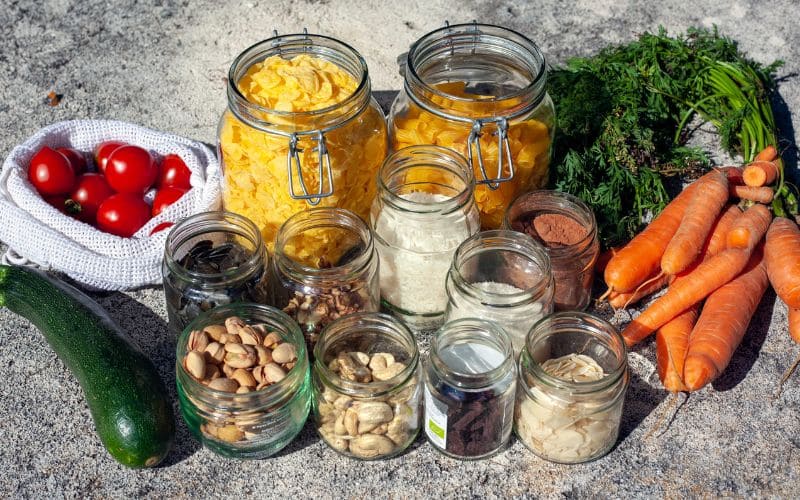
Many food pantries distribute fresh produce to help families include nutritious ingredients in their daily meals. Common options include apples, oranges, bananas, potatoes, onions, carrots, leafy greens, and seasonal vegetables. However, the selection may change depending on local donations and deliveries.
- Common items: Apples, bananas, oranges, potatoes, carrots, onions, and leafy greens.
- Supply sources: Local donations, food bank deliveries, farms, and grocery store partnerships.
- Availability: Seasonal produce and quantities vary by location and distribution schedule.
Canned Foods and Pantry Staples
Shelf-stable groceries are among the most common items at food pantries because they are easy to store, transport, and distribute. These products also help households prepare different meals without needing to use fresh ingredients immediately.
- Canned goods: Vegetables, fruit, beans, tuna, and soup.
- Dry staples: Rice, pasta, cereal, oatmeal, and flour.
- Other essentials: Peanut butter and other long-lasting grocery items.
- Availability: The selection and quantities depend on donations and pantry inventory.
Meat, Dairy, and Protein Options
Food pantries with suitable refrigeration or freezer facilities may distribute fresh or frozen protein sources. These foods can help families prepare more balanced meals, although supplies are often more limited than shelf-stable groceries.
- Meat and seafood: Chicken, ground meat, fish, and frozen protein products.
- Dairy products: Milk, cheese, and yogurt.
- Other protein sources: Eggs and similar refrigerated items.
- Availability: Distribution may depend on storage capacity, delivery schedules, and the day’s inventory.
Baby Food and Family Essentials
Some food assistance programs provide additional supplies for households with infants and young children. These items can help parents manage essential childcare expenses, but availability depends on donations and the pantry’s specific services.
- Baby nutrition: Infant formula, baby food, and infant cereal.
- Diapering supplies: Diapers and baby wipes.
- Family essentials: Other basic necessities for parents and caregivers, when available.
- Important note: Contact the pantry beforehand to ask about specific brands, sizes, and current stock.
Special Dietary and Culturally Appropriate Foods
Not every household can use the same groceries, especially when food allergies, religious practices, or cultural preferences shape daily meals. A food pantry near me that offers suitable alternatives can make food assistance more practical for families with specific dietary needs.