Food Banks Near Me: Where to Get Free Food and Support
A rising grocery bill can make it harder to keep enough food on the table, especially when other household expenses are competing for the same budget. Fortunately, communities ofte...
Quincy D.-Nov 23, 2026
Image by Unsplash
Table of Contents
A rising grocery bill can make it harder to keep enough food on the table, especially when other household expenses are competing for the same budget. Fortunately, communities often have different forms of food assistance for individuals and families facing financial difficulties.
If you’re wondering where to start, food banks near me may be an important resource worth looking into. But what services do local food banks provide, and how can you find one that meets your household’s needs?
1. Where Are Food Banks Near Me? 5 Ways to Find Local Assistance
Reliable food assistance is easier to find when you start with trusted national directories and community referral services. If you are asking what food banks are open today near me, these resources can help you narrow down nearby options, current schedules, and available support.
Feeding America
Feeding America connects people with a nationwide network of regional food banks and partner agencies.
Its online locator is a useful starting point for anyone looking for food banks near me, as it can identify the food bank serving their area and direct them to nearby pantries, mobile distributions, or other grocery assistance programs.
Main service: Connects households with regional food banks and local partner agencies.
Available support: Referrals to neighborhood pantries, mobile food distributions, and grocery assistance.
Useful for: Finding established food assistance networks serving your community.
Food Finder
Food Finder helps users locate nearby food distribution sites based on their location. Its listings may include practical details that make it easier to identify suitable options and plan a visit without having to contact multiple organizations first.
Main service: Helps locate nearby food pantries and food distribution sites.
Available information: Addresses, operating hours, contact details, and service descriptions.
Useful for: Checking local assistance options and deciding where to go.
FoodPantries.org
FoodPantries.org organizes food assistance listings by state and community, allowing users to browse resources in their area. Visitors can review available location details and contact information before deciding which pantry or distribution program best fits their needs.
Main service: Provides a directory of food assistance locations.
Available resources: Food pantries, food banks, and community distribution programs.
Useful for: Exploring local listings and checking addresses, operating hours, and contact details.
USDA National Hunger Hotline
The USDA National Hunger Hotline connects callers with food assistance resources in their area. This service can be particularly helpful when online directories provide limited information or people need guidance identifying nearby meal programs and nutrition support.
Main service: Provides referrals to local food assistance resources.
Available support: Information about food pantries, meal sites, and other nutrition programs.
Useful for: Getting assistance through direct phone support when local resources are difficult to identify online.
211
Calling 211 can connect you with emergency food assistance and other community services available locally.
Specialists may help identify programs based on your ZIP code or area and explain how to access available support.
Main service: Connects callers with local emergency food assistance and community resources.
Available information: Food bank locations, pantry schedules, eligibility requirements, and mobile distributions.
Useful for: Finding nearby assistance and learning about additional support programs in your community.
Large regional food banks often serve as hubs that supply local pantries, mobile distributions, and partner agencies across wide service areas. If you are comparing food banks near me, these organizations show how food assistance can operate at scale while still reaching households through community-based distribution.
Los Angeles Regional Food Bank – California
Los Angeles Regional Food Bank serves communities across Los Angeles County through a broad network of partner agencies and food distribution programs. Its work includes supplying groceries to local pantries, supporting mobile distributions, and coordinating food assistance for households facing food insecurity.
Service Area: Los Angeles County
Support: Partner pantries, mobile distributions, and community food programs
St. Louis Area Foodbank – Missouri
St. Louis Area Foodbank distributes food across eastern Missouri and southwestern Illinois through partner pantries, shelters, and community organizations. It helps move donated and purchased food into local neighborhoods, making emergency grocery support more accessible to households that need it.
Service Area: Greater St. Louis region
Support: Food pantries, shelters, and community distribution partners
FIND Food Bank – Coachella Valley, California
FIND Food Bank serves the Coachella Valley and surrounding desert communities in Southern California. It works with local partners to distribute fresh produce, pantry staples, and other groceries while also supporting mobile food distributions and nutrition assistance across a large geographic area.
Service Area: Coachella Valley and nearby communities
Support: Grocery distributions, mobile programs, and partner agencies
Capital Area Food Bank – Washington, D.C. Region
Capital Area Food Bank supports communities across Washington, D.C., Maryland, and Northern Virginia. Through nonprofit partners, food pantries, and community programs, it distributes groceries and fresh food while connecting households with additional nutrition resources.
Service Area: Washington, D.C. metropolitan region
Support: Partner pantries, community distributions, and nutrition programs
3. More Assistance to Check When Food Isn’t the Only Need
Food assistance can help reduce grocery expenses, but households facing financial difficulties may also need support with phone bills and other essential services. For eligible consumers, the federal Lifeline program offers a way to lower monthly phone or internet costs and maintain access to important services.
Can SNAP Recipients Qualify for Lifeline?
Yes. Participation in the Supplemental Nutrition Assistance Program (SNAP) is one of the qualifying pathways for Lifeline. However, receiving food from a pantry or local charity does not automatically establish eligibility. Applicants must qualify through an approved assistance program or meet the program’s income requirements.
Get Lifeline Service and Check Available Phone Offers Through TAG Mobile
TAG Mobile is an Eligible Telecommunications Carrier (ETC) that provides Lifeline-supported wireless service to eligible consumers. SNAP recipients who meet Lifeline requirements can apply for the service.
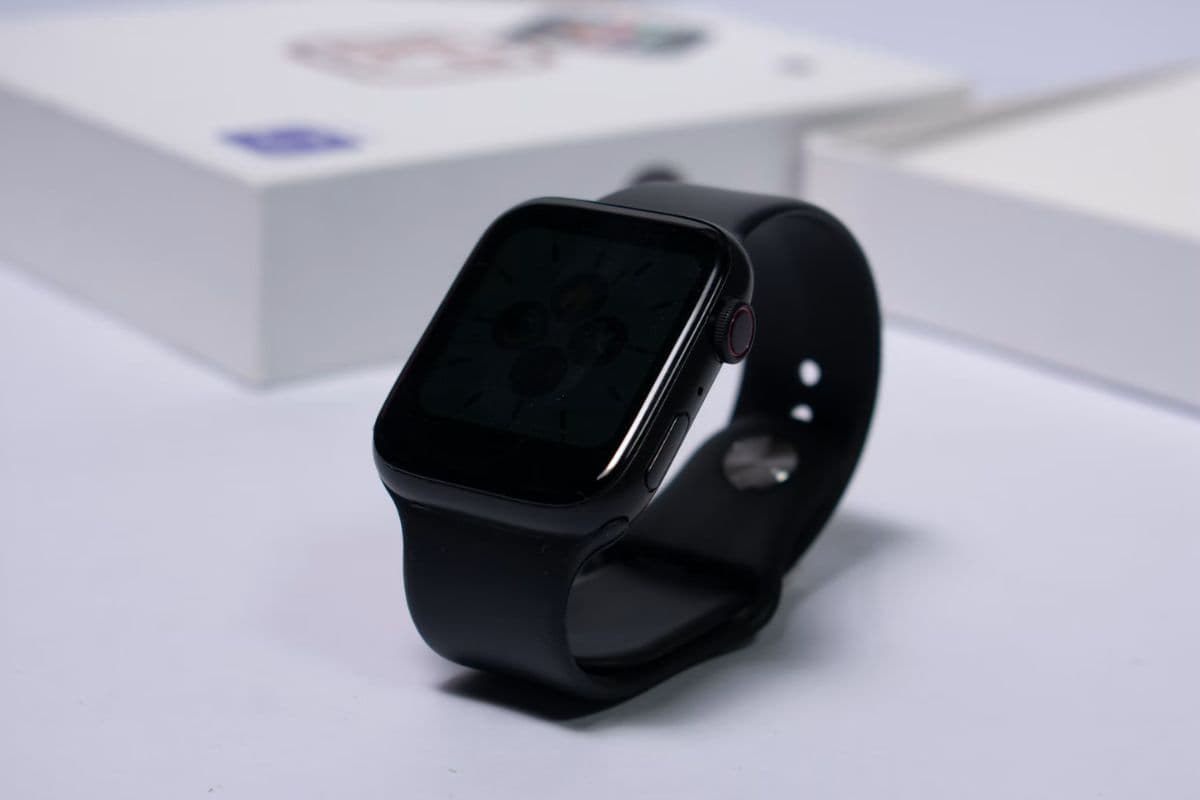
Depending on their ZIP code, eligibility approval, inventory, and current promotions, they may also have access to free or discounted phone offers. These device offers are separate from the federal Lifeline benefit and are subject to the provider’s terms.
To apply for TAG Mobile Lifeline service:
Check Your Eligibility: Confirm that you participate in SNAP or another qualifying assistance program, or that your household income meets Lifeline requirements.
Check ZIP Code Availability: Visit TAG Mobile’s website and enter your ZIP code to view available plans and device offers.
Complete the Application: Provide your full name, date of birth, residential address, and other requested information.
Verify Your Eligibility: Complete the required Lifeline verification. If your SNAP participation cannot be confirmed automatically, you may need to submit an accepted benefits statement or approval letter.
Submit Your Order: Review your application and order details, then submit them for processing. Approved orders typically take around 7-10 business days to ship and arrive, depending on processing time and availability.
Apply to receive free or heavy-discounted devices through TAG Mobile Lifeline services.
Note: Eligibility varies by state and program. Offers depend on availability and qualifications. TAG Mobile operates under the federal Lifeline Program as an Eligible Telecommunications Carrier (ETC). Service is non-transferable and limited to one service per household.
4. How to Help Food Banks Near Me
Supporting a local food bank can make a direct difference for families facing grocery shortages, especially when donations match current community needs. If you are wondering what do food banks need most near me, the best approach is to check local requests before giving.
Donate High-Need Foods: Shelf-stable proteins, canned vegetables, fruit, whole grains, peanut butter, and low-sodium items are often useful, but priority lists vary by location.
Give Money When Possible: Financial donations can help food banks purchase items in bulk, cover transportation, and respond quickly when certain supplies run low.
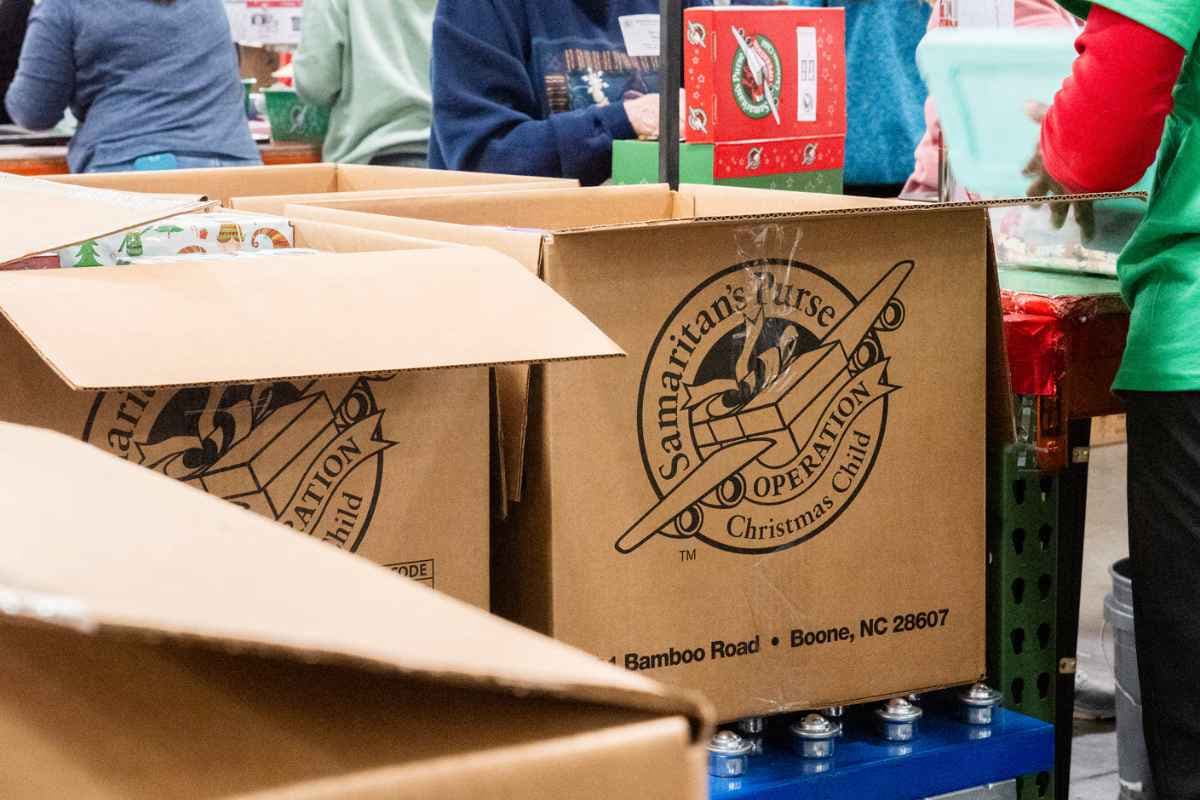
Volunteer Your Time: Many organizations need help sorting donations, packing boxes, loading vehicles, organizing warehouses, or assisting at distribution events.
Organize a Community Drive: Schools, workplaces, churches, and neighborhood groups can collect requested groceries or hygiene products for a nearby organization.
Donate Other Essentials: Some locations also accept diapers, toiletries, cleaning supplies, or pet food, depending on their programs and storage capacity.
Find meaningful ways to support local food banks through donations and community volunteering. (Image by Unsplash)
5. FAQs about Food Banks Near Me
Rules can differ by organization, so eligibility, delivery, and access are not exactly the same everywhere. When comparing food banks near me, checking local policies first can help you understand what support is actually available.
Can I get free food from a food bank without SNAP?
Yes. SNAP participation is not usually required to receive groceries from a food bank or partner pantry. Some locations may ask for basic household information or proof of residency, while others serve anyone who needs assistance.
Do food banks deliver groceries to your home?
Some do, especially for seniors, people with disabilities, or households facing transportation barriers. Delivery availability depends on local funding, volunteers, service areas, and whether partner organizations offer home-delivery programs.
Can anyone receive food from a food bank?
Many food banks and partner pantries serve people based on need, but requirements vary. Some may use residency, income, household size, or service-area rules, while others have minimal or no formal eligibility screening.
6. Final Thoughts
Reliable food assistance can make a meaningful difference when grocery costs put pressure on your household budget. If you need food banks near me, take time to review local operating hours, eligibility requirements, food distribution options, and additional services before visiting.
You may also qualify for Lifeline if you receive SNAP benefits. TAG Mobile helps eligible households save on monthly wireless expenses, making it easier to manage other essential costs. Check out more TAG Mobile guides for helpful information about food assistance and available community resources.
Share
TAG Blog
Stories, guides, and helpful updates for staying connected.