

How to Remove Gel Nail Polish: Acetone, No Acetone, and Aftercare
Gel polish looks great on nails, but removing it is tricky. Pick at it wrong and you’ll damage your nail beds. How to remove gel nail polish without creating a peeling, damaged mess is something most people get wrong.
1. What You Need to Remove Gel Nail Polish at Home
Preparing the right tools before you begin can make gel removal at home much easier, cleaner, and gentler on the natural nail surface.
When learning how to remove salon gel nail polish, having acetone, cotton, foil, and basic aftercare products ready also helps you avoid unnecessary scraping, peeling, or repeated soaking.
| Item | Purpose |
| 100% acetone | Softens and breaks down gel polish for easier removal |
| Cotton balls or cotton pads | Holds acetone against each nail during soaking |
| Aluminum foil | Wraps around fingertips to keep acetone-soaked cotton in place |
| Nail file | Gently removes the shiny top coat so acetone can penetrate more effectively |
| Cuticle pusher or orangewood stick | Helps lift softened gel carefully after soaking |
| Nail buffer | Smooths minor residue or unevenness after removal |
| Petroleum jelly | Protects the skin around the nails from excessive acetone exposure |
| Cuticle oil | Restores moisture to dry nails and surrounding skin afterward |
| Hand cream | Helps rehydrate hands after the removal process |
| Small towel | Protects the work surface and keeps supplies organized |
2. How to Remove Gel Nail Polish at Home
Safe removal depends on softening the gel thoroughly rather than peeling or forcing it away from the natural nail.
When you learn how to remove gel nail polish at home, it’s recommended to work patiently through filing, soaking, gentle lifting, and aftercare to minimize unnecessary nail damage.
- File away the top coat: Gently file the shiny top layer while keeping the file parallel to the nail surface. Avoid filing deeply enough to reach the natural nail underneath.
- Lightly buff the gel surface: Use a nail buffer to roughen the remaining coating slightly, helping the remover penetrate the gel more effectively.
- Prepare the acetone wraps: Saturate a cotton pad or lint-free wipe with acetone, place it directly over the gel, and wrap the fingertip securely with aluminum foil.
- Let the gel soak: Keep the wraps in place for about 10 minutes, or follow the removal instructions for the specific gel system you are using. The polish should begin softening and lifting from the nail.
- Remove the wraps carefully: Start with the first nail you wrapped because it has soaked the longest. Gently twist and slide the foil and cotton away instead of pulling aggressively.
- Push away softened gel: Use a cuticle pusher or orange wood stick with light pressure to remove loosened polish. Never scrape forcefully if the coating is still firmly attached.
- Re-soak stubborn areas: If patches of gel remain, wrap those nails again and soak for roughly another five minutes before trying to remove the softened product.
- Smooth and shape the nails: Once the gel is gone, gently reshape the nail edges and lightly buff any remaining unevenness without thinning the natural nail excessively.
- Finish with moisture: Wash away remaining residue, dry your hands, and apply cuticle oil and hand cream to restore moisture after acetone exposure.
3. How to Remove Gel Nail Polish Without Acetone
Acetone is usually the fastest option for removing gel polish, but alternative methods can work when pure acetone is unavailable, or you prefer a slower approach.
The key is to soften or gradually file away the gel without peeling it from the natural nail, which can remove layers of the nail plate.
- Trim the nails if needed: Shorter nails can be easier to manage during removal and reduce the amount of gel you need to work through.
- File the gel surface carefully: Use a coarse nail file to gradually remove the color and top layers, working slowly so you do not file into the natural nail underneath.
- Switch to a finer buffer near the natural nail: Once most of the gel is gone, use a fine-grit file or buffer to smooth away thin remaining layers more gently.
- Try a warm soapy salt soak: Fill a bowl with comfortably warm water, a few drops of dish soap, and about a teaspoon of salt, then soak the nails for 15-20 minutes to help soften the gel.
- Re-soak stubborn gel: If the coating still feels firmly attached, return the nails to the warm mixture rather than forcing the product off.
- File away the softened coating: After soaking, gently file the loosened gel until it is removed, choosing a finer grit as you get closer to the natural nail.
- Avoid peeling or picking: Pulling gel off can take layers of the natural nail with it, leaving the nails thinner, dry, or damaged.
- Restore moisture afterward: Finish with cuticle oil and hand cream to replenish moisture around the nails and skin after filing and soaking.
4. How Long Should Gel Nail Polish Soak Off?
Standard gel nail polish typically needs about 10 to 15 minutes of soaking in 100% acetone to soften properly.
Keeping the cotton firmly against the nail helps the acetone work more effectively and makes the gel easier to lift without excessive scraping.
Thicker applications, builder gels, or glitter finishes may require around 20 to 25 minutes before they loosen completely. If the coating still feels firmly attached, soak it for a few additional minutes rather than peeling or forcing it away from the natural nail.
>>> Read More: How to Trim a Beard Based on Length and Face Shape
5. Common Gel Removal Mistakes That Damage Nails
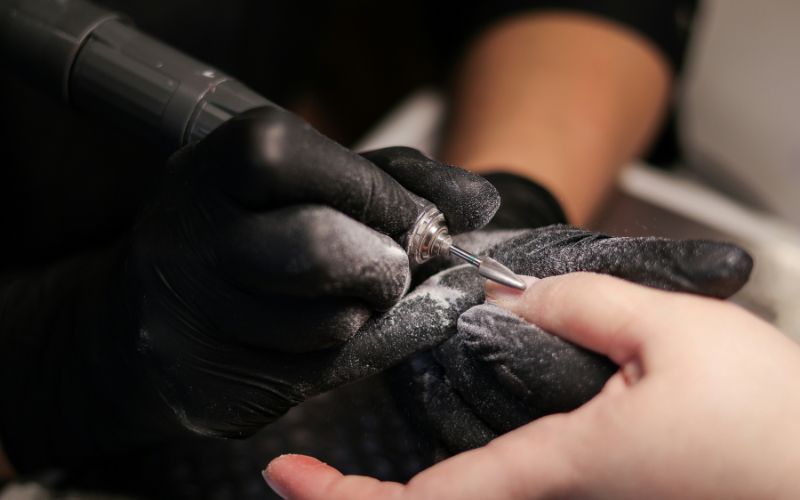
Gel removal can weaken natural nails when the coating is pulled, scraped, or filed away too aggressively. Nail-focused techniques also differ from methods for how to remove gel nail polish from clothes, so using the right approach for the surface is essential.
Peeling the Gel Off
Peeling gel polish may seem faster, especially when the edges have already started lifting, but it can strip away thin layers of the natural nail at the same time.
Repeated peeling can leave nails rough, weak, and more prone to splitting. Soften the coating properly first and remove only the gel that releases easily.
Scraping Before the Gel Is Soft
Forcing a cuticle pusher or other tool under gel that has not softened enough can scratch or gouge the nail plate. If the polish still feels firmly attached after soaking, wrap the nail again for several more minutes. Gentle pressure should be enough once the gel has broken down properly.
Filing Too Deeply
Heavy filing can remove more than the gel coating and gradually thin the natural nail underneath. File only enough to break the glossy top layer or reduce thick product, then switch to a gentler buffer as you approach the nail surface. Stop immediately once the natural nail becomes visible.
Skipping Moisture After Removal
Acetone and repeated filing can leave the nails and surrounding skin noticeably dry.
If you skip aftercare, your nails may feel brittle and cuticles rough or irritated.
After removing all residue, wash and dry your hands, then apply cuticle oil and hand cream to help restore moisture.
Using Excessive Force on Stubborn Gel
Stubborn patches should never be pulled or aggressively scraped simply because they did not release during the first soak.
Reapply acetone and allow more time for the remaining product to soften. Patience reduces unnecessary friction and helps protect the natural nail from thinning, cracking, or surface damage.
6. Final Thoughts
Removing gel polish safely requires patience, the right tools, and enough time for the coating to soften before lifting it away. Learning how to remove gel nail polish properly can help reduce peeling, over-filing, and unnecessary damage to the natural nail.
Acetone offers the most efficient removal method, while non-acetone approaches require extra care and time. Finishing with cuticle oil and hand cream also helps restore moisture and keep nails looking healthier.
>> Also check: How to Remove Acrylic Nails Without Causing Nail Damage
- Share This:
-

-

-

-

-



About the author
