

How to Polish Stainless Steel: From Dull Surface to Smooth Shine in Simple Steps
Fingerprints, water spots, light scratches, and everyday residue can quickly make stainless steel look dull and uneven.
Learning how to polish stainless steel helps restore a smoother, brighter finish while reducing the risk of new marks. The process depends on proper cleaning, polishing with the grain, choosing suitable products, and buffing carefully. With the right steps, many appliances and fixtures can regain a cleaner, more polished appearance.
1. How to Polish Stainless Steel for Everyday Shine
Stainless steel can lose its shine for different reasons, from water spots and fingerprints to light surface residue.
The safest polishing method depends on the item, its finish, and whether it has delicate components that should stay dry or untouched.
Stainless Steel Sink
Kitchen sinks usually respond well to gentle cleaning followed by careful polishing in the direction of the grain.
When learning how to polish stainless steel sink, start by removing residue completely so the polishing step does not trap dirt or create uneven streaks.
- Rinse the sink to remove loose food particles and debris.
- Wash the surface with warm water and mild dish soap.
- Use a soft microfiber cloth or non-abrasive sponge.
- Rinse away all soap residue and dry the sink completely.
- Apply a small amount of stainless steel polish or a suitable household polishing agent.
- Rub gently in the direction of the grain.
- Buff with a clean microfiber cloth until the surface looks even and bright.
Stainless Steel Watch
Polishing a watch requires more care because brushed and polished sections may have different finishes. Before working on how to polish stainless steel watch, check whether the case or bracelet has coatings, plated areas, or delicate edges that could be damaged by aggressive polishing.
- Wipe the watch with a soft, slightly damp cloth to remove surface dirt.
- Keep water away from openings unless the watch is rated for water resistance.
- Identify which sections are polished and which are brushed.
- Apply a very small amount of suitable metal polish only to polished stainless steel areas.
- Rub gently with a microfiber cloth using light pressure.
- Avoid polishing engraved details, coatings, or brushed surfaces unless the method is appropriate for that finish.
- Buff away residue and inspect the surface before repeating.
Stainless Steel Jewelry
Jewelry can collect body oils, lotion, soap residue, and fine dirt that make stainless steel appear cloudy.
For how to polish stainless steel jewelry, gentle cleaning and light buffing are usually more appropriate than aggressive abrasives, especially on pieces with stones, coatings, or decorative details.
- Mix warm water with a small amount of mild dish soap.
- Soak plain stainless steel jewelry briefly if the design allows it.
- Clean crevices gently with a soft cloth or soft-bristled brush.
- Rinse thoroughly to remove soap residue.
- Dry the piece completely with a lint-free cloth.
- Use a jewelry-safe polishing cloth to buff the metal gently.
- Avoid harsh polishing compounds on plated finishes, gemstones, or delicate decorative surfaces.
2. What Should You Avoid When Polishing Stainless Steel?
Stainless steel is durable, but the wrong tools or cleaners can scratch, discolor, or weaken its protective surface. Avoiding aggressive products and poor polishing habits helps preserve both the finish and the material underneath.
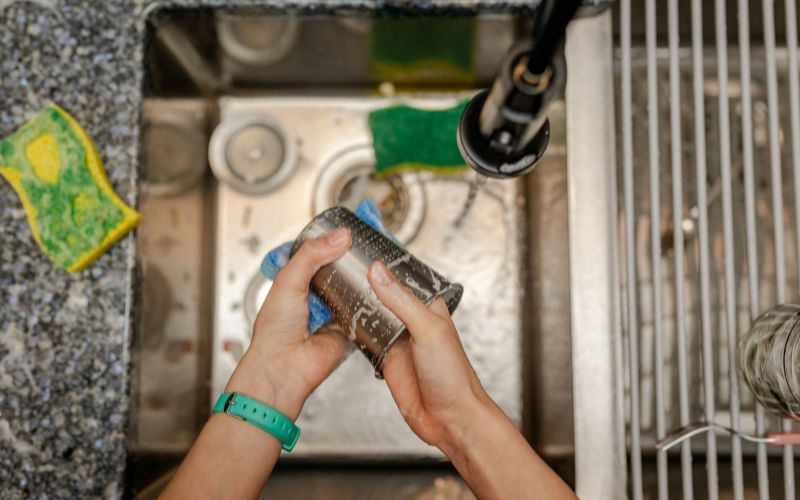
Steel Wool
Steel wool can leave deep scratches and tiny metal particles behind on stainless steel. Those particles may later rust and create orange spots on the surface, making the finish look damaged even when the stainless steel itself has not corroded.
Harsh Abrasive Cleaners
Strong abrasive powders or gritty cleaners can wear down the finish and leave visible scratch patterns.
Choose non-abrasive products whenever possible, especially on polished appliances, sinks, watches, or decorative surfaces where even fine marks can become noticeable.
Chlorine-Based Products
Stainless steel relies on a thin, chromium-rich passive oxide film for corrosion resistance.
The British Stainless Steel Association notes that chloride exposure is associated with localized corrosion, including pitting and crevice corrosion. Prolonged contact may lead to staining, pitting, or rust-like marks, so these products should be avoided unless the manufacturer specifically says they are safe.
Dirty or Rough Cleaning Pads
Used pads can trap grit, food particles, or hard debris that can scratch the metal during polishing. Rough scrubbers can cause similar damage, so clean microfiber cloths or soft non-abrasive pads are generally safer for maintaining a smooth finish.
Polishing Against the Grain
Brushed stainless steel has visible grain lines that should guide your polishing direction. Rubbing across them can create uneven marks and make scratches stand out more clearly, while working with the grain usually produces a cleaner and more consistent appearance.
Using Metal Polish on Unknown Coatings
Some stainless steel items have protective coatings, plated sections, or special surface treatments that may react poorly to standard metal polish.
Before applying any product, check the care instructions and test a small hidden area to avoid removing or dulling the finish.
3. 5 Common Stainless Steel Polishing Mistakes
Even a simple polishing job can leave streaks, scratches, or a cloudy finish when the wrong technique is used. Paying attention to pressure, product choice, surface direction, and preparation can make the result noticeably cleaner and more consistent.
Polishing Before Cleaning
Polishing over fingerprints, grease, dust, or food residue can spread grime across the surface instead of improving the finish.
Clean and dry the stainless steel first so the polish works directly on the metal rather than trapping debris underneath.
Using Too Much Polish
Applying a heavy layer of polish often creates streaks, haze, and greasy residue that is difficult to buff away. Start with a small amount, spread it thinly, and add more only if needed to keep the finish smooth and even.
Applying Too Much Pressure
Heavy pressure can create uneven marks or make existing scratches more noticeable, especially on polished finishes. Gentle, controlled strokes are usually enough to distribute the product and restore shine without unnecessarily wearing down the surface.
Ignoring the Grain Direction
Rubbing randomly across brushed stainless steel can leave visible lines and make the finish look patchy.
We should follow the natural grain whenever possible, using consistent strokes in the same direction for a cleaner and more uniform result.
Skipping the Final Buff
Leaving polish residue on the surface can create smears and dull patches instead of a bright finish. Use a clean, dry microfiber cloth to remove excess product and buff the stainless steel until the surface looks clear, smooth, and streak-free.
>>> Read More: How to Clean a Sink Drain: 2 Main Methods to Get Rid of Odors Naturally
4. Pro Tips to Keep Stainless Steel Shiny Longer
Long-lasting shine comes from consistent care rather than frequent heavy polishing.
Once you know how to polish stainless steel correctly, a few simple maintenance habits can help reduce fingerprints, water spots, and dull buildup between deeper cleanings.
- Wipe spills promptly: Water, grease, and food residue can leave marks if they sit too long, so clean them before they dry onto the surface.
- Use microfiber cloths: Soft, clean microfiber helps lift residue without scratching and leaves fewer streaks than rough towels or paper products.
- Follow the grain: On brushed stainless steel, wipe and buff in the same direction as the grain to maintain a more even-looking finish.
- Dry after cleaning: Removing leftover moisture helps prevent water spots, especially around sinks, faucets, and frequently used appliances.
- Apply polish sparingly: Small amounts are usually enough; too much product can leave a greasy film that attracts dust and fingerprints.
- Keep harsh chemicals away: Avoid chlorine-based cleaners and strong abrasives that can damage the protective surface or dull the finish.
- Clean polishing cloths regularly: Dirty cloths can redeposit grease or trap grit, so use fresh cloths when buffing for the final shine.
5. Questions about Polishing Stainless Steel
Small technique choices can make a big difference when caring for stainless steel. These answers clarify how grain direction, scratches, and common household cleaners affect the final finish.
Should you polish stainless steel with or against the grain?
Polish with the grain whenever the surface has a visible brushed pattern. Following the grain helps maintain a more uniform appearance and reduces the chance of creating noticeable cross-scratches or uneven streaks.
Can scratches be polished out of stainless steel?
Light surface scratches can sometimes be reduced with a suitable stainless steel polish and careful buffing. Deeper scratches may require refinishing, sanding, or professional repair, especially on appliances or decorative surfaces where matching the original finish matters.
Can you use baking soda on stainless steel?
Yes, baking soda can be used gently on many stainless steel surfaces to help lift residue and mild stains. Mix it with water into a soft paste, avoid aggressive scrubbing, and rinse thoroughly afterward to prevent dullness or leftover powder.
6. Final Thoughts
Stainless steel can maintain its smooth, polished appearance much longer with the right care routine. Learning how to polish stainless steel helps you remove dullness, reduce visible marks, and protect the finish without unnecessary abrasion.
Gentle cleaners, grain-following strokes, and careful buffing usually deliver the best results. Eligible users can also access helpful mobile resources and Lifeline-supported connectivity through TAG Mobile.
- Share This:
-

-

-

-

-



About the author
