

How to Soften Brown Sugar Quickly Based on How Fast You Need It
Hardened brown sugar can be restored with the right method for your available time. In case you are curious about how to soften brown sugar, the proper method usually involves choosing between quick heat-based techniques and slower moisture-restoring options that protect texture and flavor.
Find out which approach works best for immediate baking, same-day use, or overnight preparation, helping you loosen compacted sugar without melting it, adding excess moisture, or affecting recipe results.
1. Is Hard Brown Sugar Still Usable?
Yes, hard brown sugar is still safe to use because the change in texture does not mean it has spoiled. The sugar hardens when moisture evaporates from the molasses coating each crystal, causing the granules to stick together and form solid clumps.
Its soft, scoopable texture can be restored with a microwave for quick use or an airtight container for slower rehydration. Once softened, the sugar can be measured and added to recipes normally without affecting flavor.
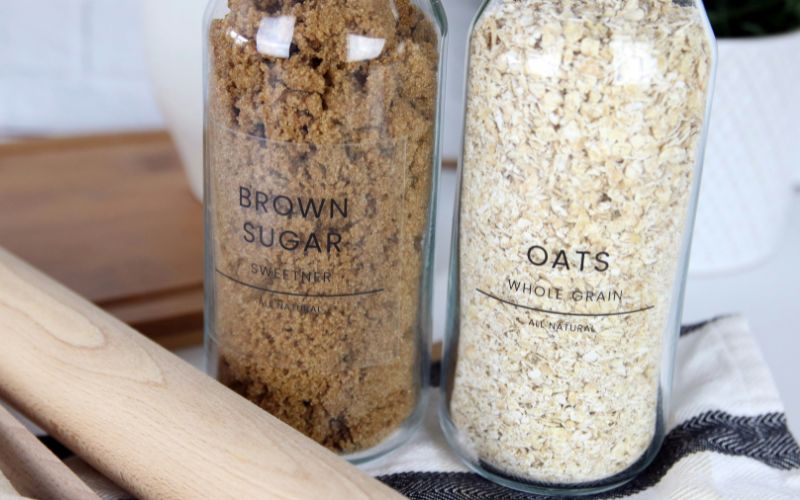
2. How to Soften Brown Sugar Fast Without Melting It
Hardened brown sugar can be restored by adding controlled moisture or gentle heat, depending on how quickly it is needed. Choosing the right method helps explain how to soften brown sugar while preventing sticky spots, melted crystals, or uneven texture.
Microwave (20 seconds)
Place the sugar in a microwave-safe bowl and cover it with a slightly damp paper towel.
For anyone learning how to soften brown sugar in the microwave, heat it in 10- to 20-second intervals, then break apart the softened clumps with a fork. Avoid prolonged heating because the sugar may melt around the edges and harden again after cooling.
Oven (5 minutes)
Spread the hardened sugar in an oven-safe dish and warm it at about 250°F for several minutes.
Check it frequently and loosen the clumps with a spoon as they soften. This method works well when learning how to soften hard brown sugar, but the sugar should be used promptly because heat restores flexibility only temporarily.
Bread or Fruit (Overnight)
Place the sugar in an airtight container with a slice of bread, an apple wedge, or a piece of orange peel.
Moisture in the bread gradually transfers into the sugar, softening it overnight without direct heat. Remove the food once the sugar becomes scoopable to prevent excessive moisture, unwanted flavor, or mold from developing inside the container.
Terracotta Disk (1 to 2 hours)
Soak a clean terracotta disk in water for about 15 minutes, dry the surface, and place it inside the sugar container.
The disk slowly releases moisture and can soften the sugar within one to two hours. Check the texture regularly and avoid leaving the disk inside indefinitely, since too much moisture may make the sugar overly sticky.
>>> Read More: How to Clean a Blender and Remove Stubborn Residue
3. Brown Sugar Storage Mistakes That Create a Solid Brick
Brown sugar usually hardens because moisture escapes or storage conditions allow the molasses coating to dry out.
Preventing these mistakes is easier than repeatedly trying to restore a solid block before every recipe.
Leaving the Bag Partially Open
Even a small opening allows moisture to escape steadily, causing the sugar crystals to bind together.
Folding the original bag loosely or closing it with a weak clip may not create a reliable seal.
Transfer the sugar to an airtight container immediately after opening, press out excess air when possible, and check that the lid closes completely before returning it to the pantry.
Storing It in a Thin Container
Lightweight containers with loose-fitting lids may look convenient but often allow gradual airflow.
Over time, the molasses coating loses moisture and the sugar becomes firm around the edges before hardening throughout.
Anyone learning how to soften brown sugar should also prevent the problem by choosing a sturdy, food-safe container with a tight seal that remains secure after repeated use.
Keeping It Near Heat or Sunlight
Warm cabinets, direct sunlight, ovens, and other heat sources can accelerate moisture loss.
Temperature changes may also cause condensation inside the container, creating uneven texture before the sugar dries again. Store brown sugar in a cool, dark pantry away from appliances, windows, and humid areas so its moisture level stays more stable between baking sessions.
Adding Too Much Moisture
Placing wet bread, fruit, or an overly soaked terracotta disk inside the container can make the sugar sticky instead of soft.
Excess moisture may create clumps, alter flavor, or encourage mold when food remains inside too long. Use only a small moisture source, monitor the texture closely, and remove it once the sugar becomes loose and scoopable.
Mixing Old and Fresh Sugar Carelessly
Pouring fresh sugar over a hardened layer can trap dense clumps at the bottom of the container.
Those pieces may continue pulling moisture unevenly from the newer sugar and make measuring difficult. Break apart or soften older sugar first; clean and dry the container thoroughly; then refill it so the entire batch maintains a more consistent texture.
4. Questions about Last-Minute Brown Sugar Fixes
If you’re wondering how to soften brown sugar, several quick solutions can restore its soft texture without affecting sweetness or baking performance.
The best method depends on how much time you have, which kitchen tools are available, and whether you need the sugar immediately or can let it soften overnight.
Can you soften brown sugar without a microwave?
Yes, the oven can loosen hardened sugar within several minutes when used at a low temperature and checked frequently. Slower options include sealing it with bread, fruit, or a dampened terracotta disk so moisture can gradually return.
Is hard brown sugar still safe to use?
Hard brown sugar is usually safe because firmness alone does not indicate spoilage. It simply means the molasses coating has lost moisture, although sugar with mold, insects, unusual odors, or contamination should be discarded.
Can bread soften brown sugar overnight?
Yes, placing a slice of bread in an airtight container with the sugar can restore moisture by the next day. Remove the bread once the sugar softens so it does not become moldy or leave excess moisture inside.
Does an apple slice change the flavor?
An apple slice may add a faint fruity aroma if it remains in the container too long. Use a small piece, remove it after the sugar softens, and keep the container sealed to limit noticeable flavor transfer.
5. Final Thoughts
Restoring hardened sugar is simple once the method matches your available time.
Understanding how to soften brown sugar helps you choose quick microwave or oven techniques for immediate baking, while bread, fruit, or terracotta can return moisture more gradually. Careful heating, controlled moisture, and airtight storage prevent melting, stickiness, and future hardening, leaving the sugar soft, scoopable, and ready for recipes.
>>> Read more: How to Keep Avocados From Browning After Cutting Them
- Share This:
-

-

-

-

-



About the author
