

Are SIM Cards Universal? What You Know Before Switching Phones
Not all SIM cards are universal, and understanding compatibility is essential before switching phones. If you’re wondering, are SIM cards universal? The answer depends on factors like SIM size, device compatibility, and network support. While some devices use standard, micro, or nano SIMs, others rely on eSIM technology, which doesn’t require a physical card.
For eligible users, TAG Mobile offers a free SIM card through its Lifeline program, making it easy to get a compatible SIM or eSIM along with flexible plans for seamless mobile connectivity.
1. Are SIM Cards Universal?
Are SIM cards universal? SIM cards are standardized in format but not universally compatible across all devices and networks.
Your phone needs to be unlocked and support the correct SIM size, whether Standard, Micro, or Nano. Modern devices with eSIM technology make it even easier to connect without a physical card. With proper setup, your SIM can move smoothly between compatible devices.
>>> Read more: eSIM vs Physical SIM: The Ultimate Comparison Guide 2026
2. Why SIM Cards Are Not Fully Universal
While SIM cards are designed to work across multiple devices, they are not completely universal. Several factors, including carrier restrictions, network technology, and regional variations, can prevent a SIM from functioning in every phone, making it important to understand these limitations before switching devices.
Carrier Lock Restrictions
Many phones are sold locked to a specific carrier, which prevents SIM cards from other providers from working. Even if the SIM fits physically, a carrier-locked phone will reject the network connection until it is officially unlocked.
This means that a SIM card from one provider may not activate service in a device tied to another, limiting portability and requiring users to follow carrier-specific unlocking procedures before switching.
Network Compatibility (LTE, 4G, and 5G)
Modern phones rely on LTE, 4G, and 5G networks, and compatibility between your device, SIM card, and carrier is essential for proper performance. While most current SIM cards support multiple network types, your phone must be compatible with the carrier’s supported bands and technologies to work correctly.
Even if a SIM card fits physically, certain features like mobile data, VoLTE, or 5G access may not function if the device does not support the required network bands. This makes it important to check both device and carrier compatibility to ensure full access to calls, messaging, and high-speed data services.
Regional Differences
SIM card standards and network frequencies can vary significantly across countries and regions. A SIM designed for U.S. carriers may not work in European or Asian networks due to differences in frequency bands and carrier protocols.
Travelers often encounter this issue, requiring them to use local SIM cards or international roaming options to maintain connectivity. Understanding regional differences helps ensure that a SIM card will function properly in the intended location.
3. Choosing the Right SIM Card Matters More Than You Think
A compatible SIM card is essential to ensure your phone connects properly for calls, texts, and mobile data without interruptions. The correct SIM type, whether Standard, Micro, Nano, or eSIM, affects both physical fit and overall network performance.
If you’re unsure which SIM to use, it’s also important to consider whether your phone is compatible with your provider’s network. Checking your device’s IMEI can help confirm this before switching SIM cards or activating a new line.
Through the Lifeline Program, eligible users can access free or low-cost mobile service, including monthly talk, text, and data. Participating providers like TAG Mobile go a step further by offering free SIM cards (including eSIM options) and, in many cases, a wide selection of free or heavily discounted devices, from basic smartphones to more advanced models, depending on availability.
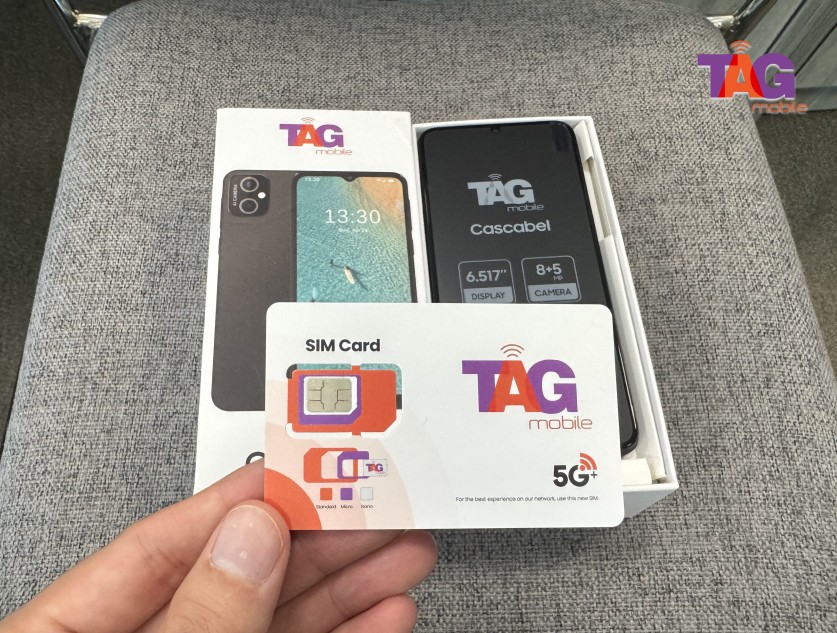
To qualify, you typically need to meet income requirements or participate in government assistance programs such as SNAP, Medicaid, or SSI. The application process is straightforward: enter your ZIP code on the provider’s website, choose a plan and device (if available), fill in your personal and eligibility details, and upload verification documents if required.
With the right SIM and a compatible device, providers like TAG Mobile make it easier to get connected quickly while keeping costs low for eligible households.
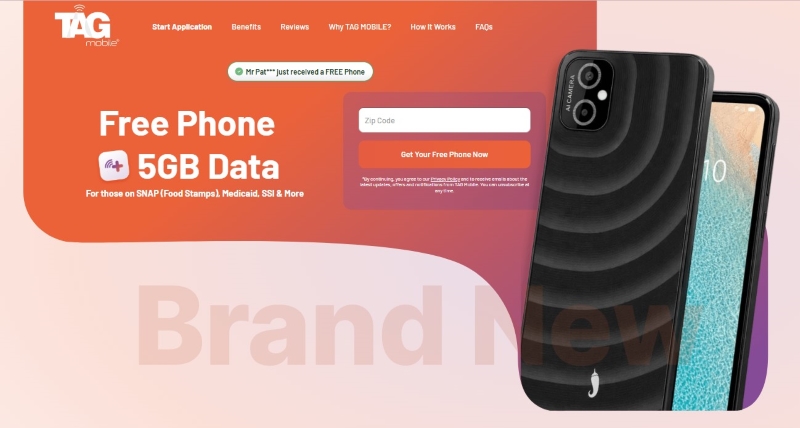
Notice: The government does not cover device costs, only basic service through Lifeline. Any free or discounted devices, upgrades, or top-ups are limited-time TAG Mobile offers and may vary by state, eligibility, and availability. Terms and conditions apply.
4. FAQs About SIM Card Compatibility
Many users wonder whether they can use the same SIM card across multiple devices and how to ensure compatibility with their phone. If you’re asking, are SIM cards universal? The answer depends on factors like SIM size, network support, and provider restrictions. Understanding these details can help you avoid connectivity issues and make the most of your device.
Can I use the same SIM in different phones?
Yes, you can use the same SIM card in different phones as long as the devices are unlocked and support the correct SIM size. Your phone number and plan transfer with the SIM, allowing you to make calls, send texts, and use data. Keep in mind that some carrier-locked or incompatible devices may not recognize the SIM, so verification is important.
Do all SIM cards fit all phones?
No, SIM cards come in different sizes, namely Standard, Micro, Nano, and eSIM, and not all devices accept all the SIM card sizes. It is also possible that even if the SIM card fits the phone, the phone is not unlocked and is not compatible with the network provider.
How do I know if my SIM will work?
You can check your phone’s IMEI number with your carrier or a provider like TAG Mobile to confirm network compatibility. This ensures that your SIM card will function correctly and that your device can access calls, texts, and data. Verifying your IMEI beforehand prevents issues when switching phones or activating a new SIM.
Final Words
While SIM cards are designed to work across many devices, they are not fully universal. So if you’re asking, are SIM cards universal, the answer depends on carrier locks, network compatibility, and regional standards. Understanding this helps you avoid connectivity issues.
With TAG Mobile, eligible users can access compatible SIM cards and devices through the Lifeline program. Checking your phone’s IMEI and choosing the right plan makes it easier to stay connected.
- Share This:
-

-

-

-

-

About the author
