The Full Breakdown: What Is EBT Cash and Latest TANF Rules
Cash assistance can be confusing because it may appear on the same card as food benefits, but follows different rules. This guide explains what is EBT cash, how it relates to TANF...
Quincy D.-Jun 15, 2026
Image by Unsplash
Table of Contents
Cash assistance can be confusing because it may appear on the same card as food benefits, but follows different rules. This guide explains what is EBT cash, how it relates to TANF or state cash aid, and why spending flexibility may vary by program, location, and household situation. For a clearer look at usage rules, limits, and practical support options, refer to TAG Mobile’s guide below.
1. What Is EBT Cash and How Does EBT Cash Work?
Cash assistance through an electronic benefits transfer card is usually connected to TANF or state-funded aid programs and helps qualifying families cover basic living expenses.
For readers asking what is EBT cash, the main difference is that this balance is not limited to groceries like SNAP. Depending on state rules, it may help pay for needs such as rent, transportation, childcare, toiletries, diapers, or other essential household costs.
This benefit is loaded onto the same type of card used for food assistance, but the balance is tracked separately.
Recipients may spend it at participating retailers, request cash back where allowed, or withdraw funds from approved ATMs. Since SNAP and cash balances follow different rules, shoppers should check which account is being charged before making a purchase.
To qualify for EBT cash, applicants usually need to meet rules tied to family situation, income, available resources, citizenship or immigration status, and state participation requirements. Since cash assistance programs are often managed at the state level, exact limits and conditions can vary by location.
Household Composition and Status
With children: Most TANF cash assistance programs are designed for families with at least one dependent child, usually age 18 or younger. Some states may also consider pregnant applicants or households with specific caregiving responsibilities.
Without children: Adults without dependent children generally have fewer options, but some states or counties offer General Assistance programs for certain low-income adults, including seniors or people with disabilities. These programs are usually more limited and may have stricter local rules.
Citizenship: Applicants typically must be U.S. citizens or meet qualified immigration status requirements. Proof may be requested during the application process, depending on state verification rules.
Income and Asset Limits
Gross income: Household income before taxes must usually fall below the limit set by the state program. These limits are often lower than SNAP income limits because cash aid is designed for families with very limited financial resources.
Liquid assets: States may review money available in checking accounts, savings accounts, or other countable resources. A primary home and, in many cases, one vehicle are often excluded, but asset rules can differ by state.
Work and Training Requirements
Work mandates: Adults who are able to work may need to look for employment, keep a job, attend job training, or join an approved education program. These requirements are meant to support long-term financial stability while the household receives aid.
Exemptions: Some applicants may be excused from work rules, such as people age 60 or older, individuals with permanent disabilities, or full-time caretakers for a household member. States may also allow temporary exemptions for illness, pregnancy, or other approved hardships.
Depending on state rules, EBT cash benefits may help cover essential household and personal expenses beyond food. (Image by Unsplash)
3. What Is EBT Cash Used For?
Cash assistance on an EBT card is separate from SNAP, so it may cover everyday needs that food benefits cannot pay for. Depending on state rules, recipients can use this balance for diapers, toiletries, cleaning supplies, clothing, transportation, personal care items, or other basic household expenses.
Some programs also allow ATM withdrawals, which can be helpful when bills or local stores require cash. To avoid extra fees, many recipients search for a free EBT cash ATM near me before withdrawing funds.
4. Exploring Free Phone Options for Eligible Households
Household support can go beyond cash assistance when families need help handling benefit notices, job applications, school messages, healthcare calls, and daily communication. For approved low-income consumers, phone service programs may reduce one more monthly expense while keeping essential contacts within reach.
The Lifeline Program is a government assistance program that provides discounted or free phone service to eligible low-income consumers. And if you are SNAP EBT recipients, or SSI, Section 8 or certain others, you have a high chance to qualify as SNAP is one of the qualifying programs.
You may also qualify based on income if your household is at or below 135% of the Federal Poverty Guidelines.
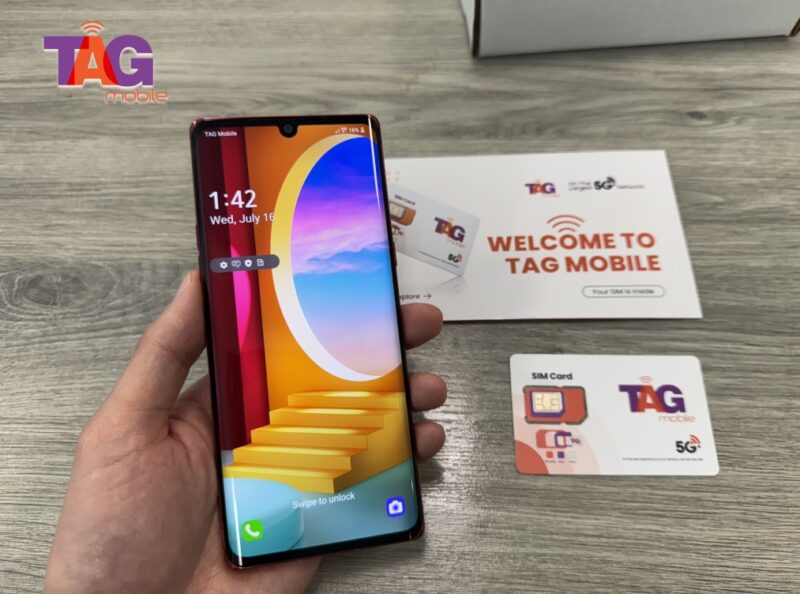
TAG Mobile is an Eligible Telecommunications Carrier (ETC) that provides Lifeline services and may also offer device options (depending on location and availability) with communication benefits such as talk, text, monthly data, free delivery, discounted phones, and international calling to 200+ countries and territories.
Possible device options may include:
iPhone 8 Plus: Offers a larger screen for video calls, online forms, maps, and daily communication.
Samsung Galaxy A20: Provides a clear display, smooth basic performance, and useful features for messaging and browsing.
iPhone XS: Delivers strong everyday performance with a sharp display for video calls, browsing, maps, email, and mobile apps.
Samsung Galaxy S20 5G: Offers fast 5G connectivity, smooth multitasking, and a vibrant screen for streaming, navigation, and daily communication.
FOXXD C67: Provides essential smartphone features for calling, texting, web access, online forms, and everyday digital tasks.
Device models, prices, and free phone options may vary by ZIP code, inventory, and program rules. Customers should enter their ZIP code on TAG Mobile’s Upgrade page to confirm what is actually available in their area.
TAG Mobile offers a wide range of smartphones, paired with data service, to eligible customers.
Note: Eligibility varies by state and program. Offers depend on availability and qualifications. TAG Mobile operates under the federal Lifeline Program as an Eligible Telecommunications Carrier (ETC). Service is non-transferable and limited to one service per household.
5. Common Questions About EBT Cash
Funds loaded onto an EBT card can be confusing because the same card may hold more than one type of support. These answers explain how withdrawals, spending limits, and account timing usually work so recipients can manage their balance more carefully.
Can I withdraw EBT cash from any ATM?
Not every ATM accepts EBT withdrawals, and some machines may charge extra fees. Recipients should look for approved locations whenever possible and check their state’s EBT website or customer service line to find fee-free or lower-cost options.
Is EBT cash different from SNAP?
Yes, the two benefits are separate, even when they appear on the same card. SNAP is limited to eligible groceries, while EBT Cash may cover broader household needs such as toiletries, diapers, transportation, clothing, or other approved expenses, depending on state rules.
Do EBT cash benefits expire?
Unused funds may stay available for a period of time, but the rules depend on the state and program. Some states may remove money after long account inactivity, so recipients should check their balance regularly and review local benefit guidelines to avoid losing access
6. Final Words
Clear information about what is EBT cash is can help households separate cash assistance from SNAP and use each balance more wisely. This type of aid may cover practical needs such as transportation, diapers, toiletries, cleaning products, clothing, or other approved essentials, depending on state rules.
Before spending or withdrawing funds, recipients should review local guidelines to avoid fees, declined transactions, or restricted purchases. Regular balance checks can also make monthly planning easier and reduce surprises. For families looking beyond benefit support, TAG Mobile may help qualified customers explore Lifeline phone service and device options.
Share
TAG Blog
Stories, guides, and helpful updates for staying connected.