

How to Dry Flowers Quickly or Preserve Them Naturally
Fresh blooms can become lasting keepsakes when moisture is removed with the right technique.
Understanding how to dry flowers involves choosing between faster methods and slower natural preservation based on the flower type, desired shape, and color. Air-drying, pressing, silica gel, and gentle heat each create different results, making careful preparation essential for arrangements, crafts, framed pieces, or sentimental displays.
1. Match Your Preservation Goal to the Best Drying Method
Different flower projects need different drying techniques because shape, color, texture, and drying speed all affect the final result. Choosing the method based on the intended use makes preservation more predictable and helps avoid crushed petals, fading, or uneven moisture.
A Fully Dried Bouquet
Air-drying is the best method for preserving an entire bouquet with its stems and overall shape intact.
Tie the stems loosely, hang the flowers upside down in a dark, dry, well-ventilated room, and leave them for one to three weeks. This approach works especially well for roses, lavender, statice, and eucalyptus.
Flat Flowers for Framing
Pressing is ideal when you want flowers to lie flat for framed art, bookmarks, journals, or scrapbook pages.
Place clean blooms between absorbent paper inside a heavy book or flower press, then leave them undisturbed for one to three weeks. Thin flowers such as pansies, daisies, and violets usually press most successfully.
Individual Blooms for Crafts
Silica gel works best for preserving single flowers while maintaining more of their original shape and color.
When exploring how to dry out flowers for wreaths, resin projects, or decorative arrangements, bury each bloom carefully in silica gel and seal the container until the petals feel completely dry.
Petals for Candles, Cards, or Decor
Air-drying or pressing works well for loose petals, depending on the texture you want.
Spread petals in a single layer on a tray for a natural curled finish, or press them between absorbent sheets for flatter craft pieces. Keep them away from direct sunlight to reduce fading.
A Keepsake From a Meaningful Event
Silica gel is usually the strongest choice for preserving a special bloom from a wedding, anniversary, graduation, or memorial because it helps retain shape and color. For an entire bouquet, combine air-drying with professional preservation if the arrangement has high sentimental value or delicate flowers.
2. How to Dry Flowers Without Losing Their Shape or Color
Preserving shape and color starts with selecting healthy blooms and removing moisture gradually without exposing them to strong sunlight or excessive heat.
Careful handling throughout the process helps reduce fading, browning, crushed petals, and uneven drying.
- Choose fresh flowers: Select blooms that are newly opened, dry to the touch, and free from bruising, wilted edges, or visible moisture.
- Remove excess foliage: Trim unwanted leaves and damaged petals because thick greenery can hold moisture and slow the drying process.
- Select the right method: Use silica gel for three-dimensional blooms, air-drying for full bouquets, or pressing for flat artwork. Anyone learning how to dry and press flowers should choose naturally thin blooms and place them between clean absorbent sheets.
- Protect the original color: Keep flowers away from direct sunlight, since strong light can quickly fade petals during drying.
- Allow enough airflow: Space flowers apart so air can circulate evenly and prevent damp areas, mold, or uneven texture.
- Check progress carefully: Test the petals and stems periodically without squeezing them. Fully dried flowers should feel crisp and contain no soft or cool spots.
- Store them properly: Place finished flowers in a dry container or display area away from humidity, heat, and prolonged sunlight.
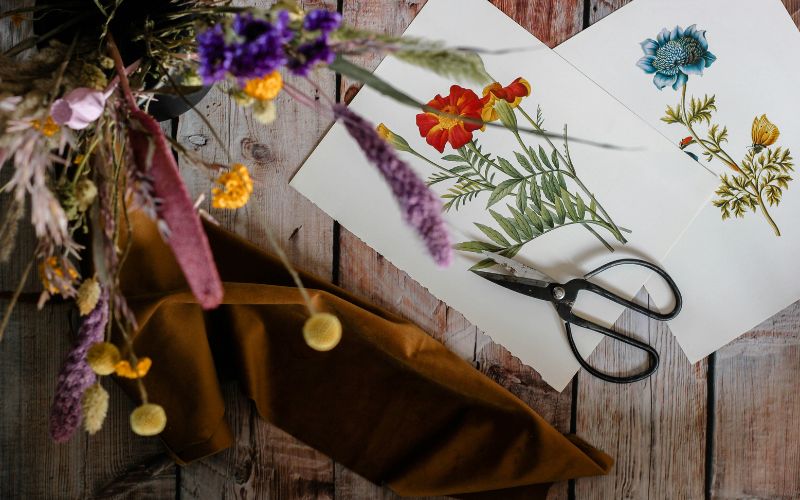
3. Preservation Mistakes That Ruin Flowers Before They Dry
Successful flower preservation depends as much on preparation as it does on the drying method itself. Small mistakes involving moisture, heat, timing, or handling can quickly cause fading, mold, brittleness, or distorted petals.
Drying Flowers While They Are Still Damp
Moisture trapped between petals or along the stems can encourage mold and uneven drying.
Avoid starting immediately after rain, misting, or washing the flowers. Let the surface moisture evaporate first, and choose blooms that feel completely dry before placing them in silica gel, a press, or a hanging arrangement.
Exposing Flowers to Direct Sunlight
Strong sunlight may speed up moisture loss, but it can also bleach petals and weaken delicate plant tissue.
Dry flowers in a dark or shaded area with steady airflow instead. Protecting them from harsh light helps preserve richer color and reduces the risk of faded, papery-looking blooms.
Using Too Much Heat
High temperatures can scorch petals, shrink blooms, and create brittle edges.
Anyone learning how to dry flowers in the microwave should use short intervals, low power, and a microwave-safe drying material rather than heating continuously. Check the flowers frequently and stop as soon as the remaining moisture disappears.
Choosing Flowers That Are Already Wilting
Flowers that have begun drooping, browning, or losing petals rarely improve during preservation. Drying captures the bloom in its current condition, so select healthy flowers near their best stage.
Slightly open blossoms often hold their form better than fully mature flowers that are already starting to weaken.
Handling Dried Flowers Too Roughly
Petals and stems become fragile once their moisture has been removed. Squeezing, bending, or moving them repeatedly can cause cracks and breakage.
Lift preserved flowers by the stronger stem area, support larger blooms from underneath, and arrange them carefully in their final display or storage container.
>>> Read More: How to Remove Acrylic Nails Without Causing Nail Damage
4. Questions about Drying and Preserving Flowers
Preservation time and final results depend on the flower variety, moisture level, and technique selected. These answers explain which methods are most suitable and what you can expect throughout the process.
How long does it take flowers to air-dry?
Most flowers need about one to three weeks to air-dry completely. Thicker blooms and humid rooms may require more time, while smaller flowers with thinner petals often dry faster in a dark, well-ventilated space.
Can fresh flowers be dried in the microwave?
Yes, fresh flowers can be dried in the microwave when short heating intervals and a suitable drying material, such as silica gel, are used. Anyone learning how to dry flowers this way should monitor them closely because too much heat can scorch petals, fade color, or make the blooms brittle.
What flowers are easiest to press?
Flat, thin flowers such as pansies, violets, daisies, and small ferns are usually the easiest to press. Thick, layered blooms contain more moisture and may need to be separated into smaller sections before pressing to avoid browning or mold.
5. Final Thoughts
Preserving flowers successfully depends on selecting healthy blooms, controlling moisture, and choosing a method suited to the final project. Learning how to dry flowers helps protect their shape, texture, and color for bouquets, crafts, framed art, or meaningful keepsakes.
Careful preparation, gentle handling, and proper storage can keep dried arrangements attractive while reducing fading, breakage, and mold over time.
- Share This:
-

-

-

-

-



About the author
