The First iPhone With eSIM: The Day Connectivity Changed
Many people are curious about how Apple first introduced digital SIM technology and which model began the shift away from traditional SIM cards. If you’re wondering about the first...
Quincy D.-Mar 13, 2026
Image by Unsplash
Table of Contents
Many people are curious about how Apple first introduced digital SIM technology and which model began the shift away from traditional SIM cards. If you’re wondering about the first iPhone with eSIM, understanding when this feature appeared can help explain how modern iPhones support more flexible network activation. As smartphones continue moving toward digital connectivity, knowing the history behind this change also makes it easier to understand how today’s devices manage multiple lines and carrier switching.
To explore the timeline, supported models, and what this technology means for users today, you can review the detailed guide below from TAG Mobile for a clearer overview.
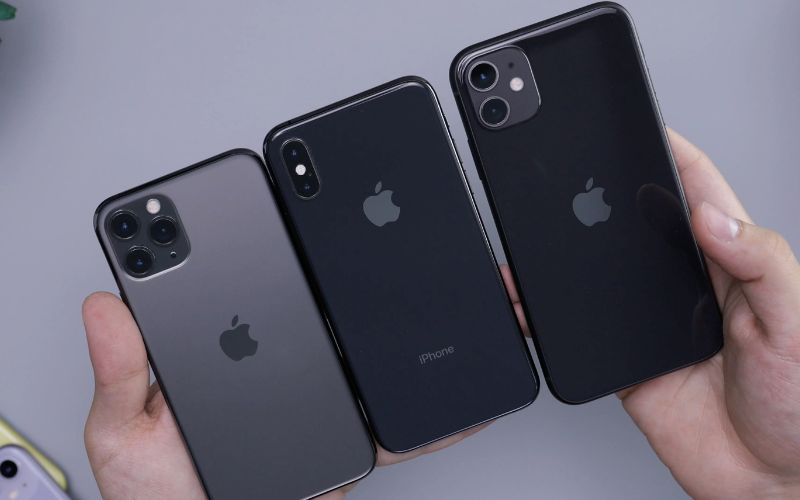
The first iPhone with eSIM technology were the iPhone XS, iPhone XS Max, and iPhone XR, all released by Apple in 2018. These models introduced embedded SIM capability, allowing users to activate a cellular plan digitally without inserting a physical SIM card.
With eSIM support, users could also take advantage of Dual SIM functionality by combining a physical nano-SIM with a digital eSIM, making it easier to manage multiple phone numbers or carriers on one device.
An eSIM (embedded SIM) is a digital SIM technology built directly into a device’s hardware, allowing users to activate a mobile plan without inserting a physical SIM card.
Instead of swapping plastic cards, the network profile is downloaded and managed digitally through the device settings. This technology was standardized by the GSMA and officially introduced to the consumer market around 2016, after first being explored for IoT devices.
Apple adopted eSIM to simplify device design and improve flexibility for users. Because an eSIM chip is smaller than a traditional nano-SIM, it frees up internal space inside smartphones for components like larger batteries or improved hardware. It also allows users to store multiple cellular plans on a single device and switch carriers digitally without changing SIM cards. As a result, users get to see and use the first iPhone with eSIM.
3. eSIM Support Expanded Across iPhone Models
Besides the first iPhone with eSIM, there are other options that support this SIM technology. (Image by Unsplash)
As Apple expanded its mobile technology, eSIM support quickly became a standard feature across many newer iPhone models. Today, several modern devices are designed to work seamlessly with digital SIM activation. For users wondering which iPhones support eSIM, it’s helpful to know that many compatible models are also available through licensed providers’ offer of wireless assistance programs.
Through the Lifeline program, qualified low-income households in the United States may receive discounted or free mobile service to help them stay connected for work, school, healthcare, and family communication. This federal assistance program helps reduce the cost of essential telecommunications services so more people can maintain reliable access to calls, texts, and mobile data.
As an approved Lifeline provider, TAG Mobile offers affordable plans along with select smartphones that already support eSIM activation, making it easier for eligible users to start service without complicated setup steps.
In many cases, customers can apply online, verify their eligibility, and receive a compatible device with activation instructions included. This streamlined process helps new users get connected faster while taking advantage of flexible digital SIM technology.
Besides finding the first iPhone with eSIM, some iPhone models commonly available through TAG Mobile and compatible with eSIM include. Note that the prices may vary depending on availability, location, and time of application.
Ever since the launch of the first iPhone with eSIM, this technology has become more common across Apple devices; many users still have practical questions about how it works on different iPhone models. Understanding a few key details about compatibility, SIM design, and storage capacity can help you use eSIM more effectively on your device.
Do all iPhones support eSIM now?
Not all iPhones support eSIM. The first iPhone with eSIM was introduced with the iPhone XS, XS Max, and XR released in 2018. Older models, such as the iPhone X and earlier, rely only on a physical nano-SIM card, while most newer models now include eSIM support.
Are new iPhones eSIM only in the U.S.?
Yes, starting with the iPhone 14 series sold in the United States, Apple removed the physical SIM tray entirely. These models rely completely on eSIM for cellular activation. However, iPhones sold in many other countries may still include a physical SIM slot alongside eSIM support.
How many eSIM profiles can iPhones store?
Most modern iPhones can store 8 or more eSIM profiles at the same time, though only one or two can be active depending on the model. This allows users to keep several carrier plans saved on the device and switch between them when needed. It’s especially useful for travelers or people who manage both personal and work phone numbers.
Many people are curious about how Apple first introduced digital SIM technology and which model began the shift away from traditional SIM cards. If you’re wondering about the first iPhone with eSIM, understanding when this feature appeared can help explain how modern iPhones support more flexible network activation. As smartphones continue moving toward digital connectivity, knowing the history behind this change also makes it easier to understand how today’s devices manage multiple lines and carrier switching.
To explore the timeline, supported models, and what this technology means for users today, you can review the detailed guide below from TAG Mobile for a clearer overview.
Notice: The government does not cover device costs, only basic service through Lifeline. Any free or discounted devices, upgrades, or top-ups are limited-time TAG Mobile offers and may vary by state, eligibility, and availability. Terms and conditions apply.
Share
TAG Blog
Stories, guides, and helpful updates for staying connected.