Does Whole Foods Take EBT for Hot Food? Why Not & What You Can Buy Instead
SNAP covers many grocery purchases at Whole Foods, but hot prepared foods usually require a different payment method. This guide covers does Whole Foods take EBT for hot food, expl...
Quincy D.-Jul 13, 2026
Image by Unsplash
Table of Contents
SNAP covers many grocery purchases at Whole Foods, but hot prepared foods usually require a different payment method.
This guide covers does Whole Foods take EBT for hot food, explains the difference between hot meals and eligible grocery items, and reviews key checkout rules. For additional EBT information and benefit support, explore the TAG Mobile article below.
1. Does Whole Foods Take EBT for Hot Food?
No, Whole Foods does not accept EBT for hot prepared foods. Under federal SNAP rules, benefits generally cannot be used for foods that are hot at the point of sale or prepared for immediate eating.
That means items such as hot bar meals, hot soups, pizza slices, and hot rotisserie chickens are not SNAP-eligible. When asking does Whole Foods accept EBT for hot food, shoppers should choose cold, packaged, or take-home grocery items instead.
2. Whole Foods Offers More Than One Type of Prepared Food
Whole Foods has many prepared and grocery-style foods, but SNAP eligibility depends on how the item is sold.
Shoppers checking does Whole Foods take EBT for hot food should separate hot, ready-to-eat meals from cold, packaged, or take-home foods.
Produce & Bakery: Fresh, frozen, or canned fruits and vegetables may qualify, along with breads, cereals, rolls, and other take-home bakery items.
Meat & Seafood: Cold, fresh, or packaged meat, poultry, fish, and seafood are usually SNAP-eligible when sold for home preparation.
Dairy: Milk, cheese, eggs, yogurt, and other standard dairy products can usually be purchased with EBT.
Pantry Items: Cooking oils, snacks, shelf-stable foods, and non-alcoholic beverages may qualify, including ground coffee, coffee pods, and bottled drinks.
Pre-Packaged Cold Foods: Cold deli items, refrigerated sandwiches, packaged salads, and sushi may be eligible when sold cold and intended for take-home use.
3. Shopping Efficiently With SNAP at Whole Foods
Whole Foods can feel expensive, but SNAP shoppers can still shop smart by focusing on eligible staples, sales, and take-home foods.
A clear list helps separate covered groceries from hot prepared meals, household goods, and premium impulse buys.
Check SNAP-eligible categories first
Build your cart around produce, dairy, meat, seafood, bread, cereal, pantry items, frozen foods, snacks, and cold packaged meals.
Avoid the hot bar
Hot soups, pizza slices, hot rotisserie chicken, and ready-to-eat hot meals are usually not covered by EBT.
Compare 365 by Whole Foods Market products
Store-brand items may cost less than national brands while still offering pantry staples, snacks, frozen foods, and beverages.
Shop weekly deals
Review in-store discounts, app deals, and Prime member offers before shopping. Sales can make produce, proteins, and pantry items more affordable.
Choose cold prepared foods carefully
Refrigerated sandwiches, sushi, salads, and cold deli items may qualify when sold cold and packaged for take-home use.
Watch unit prices
Compare cost per ounce, pound, or serving before choosing premium items. This helps stretch SNAP benefits on meat, seafood, coffee, snacks, and pantry goods.
Bring a backup payment method
Non-food items, hot foods, alcohol, supplements, delivery fees, and service charges require another form of payment.
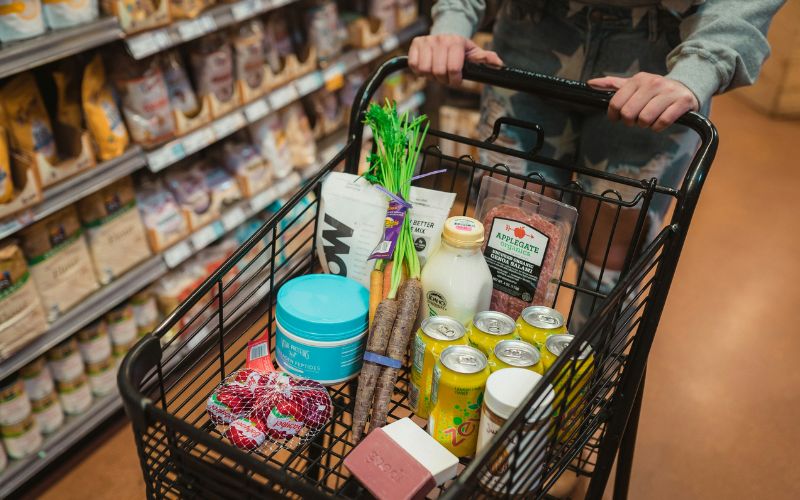
Shop smart at Whole Foods by choosing SNAP-eligible staples, sales, and take-home groceries over hot prepared meals. (Image by Unsplash)
4. Benefits That Help Eligible Households, Including SNAP Users, Stay Connected
Daily communication matters when SNAP users need to check benefit notices, store apps, healthcare reminders, school updates, and job opportunities. Phone service assistance may offer extra support for households already balancing everyday costs.
The Lifeline Program is a federal assistance program that helps eligible low-income consumers lower the monthly cost of phone or internet service. The benefit is non-transferable, limited to one discount per household, and available only to qualified consumers.
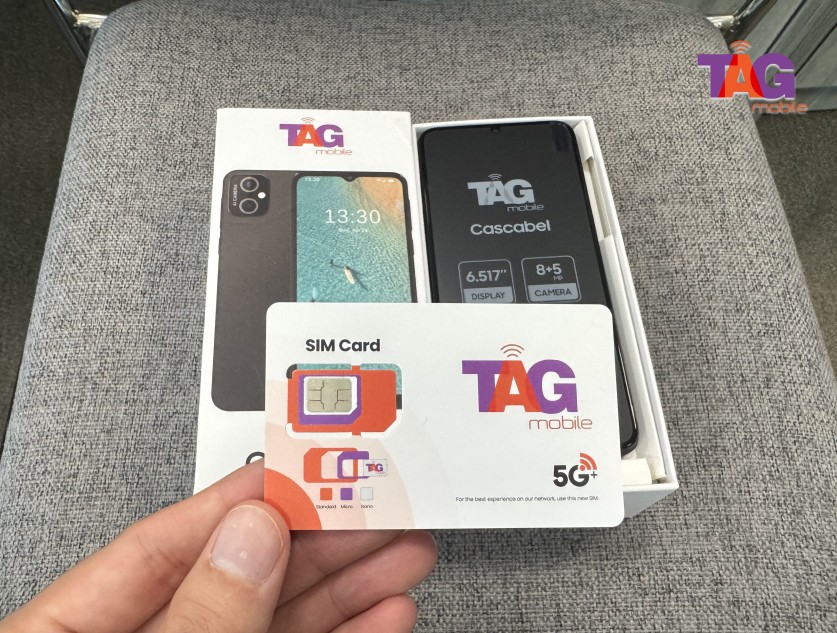
As an Eligible Telecommunications Carrier, TAG Mobile helps qualified customers access supported services and may also offer available devices with communication features for calls, texts, mobile data, online forms, benefit portals, appointment reminders, and staying connected with family.
Applying with SNAP can be easier when your details and proof are ready before you start. Device options, plan availability, approval, and shipping may vary by ZIP code, eligibility, and current inventory.
Check your eligibility: Confirm that you qualify through SNAP, another approved assistance program, or household income.
Visit TAG Mobile: Enter your ZIP code to view available Lifeline service plans and device options in your area.
Review available options: Compare the plans and any available device offers shown for your location.
Complete the application: Provide your name, date of birth, address, contact information, and other required details.
Upload proof if requested: If automatic verification cannot confirm your eligibility, submit proof of SNAP participation or another accepted supporting document.
Review, submit, and receive your service: Double-check your application before submitting it.
Once approved, your SIM, eSIM, or available device is typically shipped within 7-10 business days with activation instructions.
Apply for TAG Mobile free phone and SIM card/eSIM now!
Note: Eligibility varies by state and program. Offers depend on availability and qualifications. TAG Mobile operates under the federal Lifeline Program as an Eligible Telecommunications Carrier (ETC). Service is non-transferable and limited to one service per household.
5. Whole Foods Hot Food and EBT: Frequently Asked Questions
Whole Foods EBT rules are easier to follow when shoppers separate hot prepared meals from cold take-home foods. These FAQs explain how SNAP usually applies to the hot bar, rotisserie chicken, refrigerated meals, and pizza.
Does Whole Foods accept EBT at the hot bar?
No, Whole Foods does not accept EBT for hot bar foods. SNAP generally does not cover foods that are hot at the point of sale or prepared for immediate eating, so shoppers need another payment method.
Can I buy rotisserie chicken with EBT at Whole Foods?
Hot rotisserie chicken is usually not SNAP-eligible because it is sold ready to eat. However, cold packaged chicken or refrigerated take-home chicken may qualify if it is sold as a grocery item.
Are cold prepared meals SNAP-eligible?
Cold prepared meals may be SNAP-eligible when they are packaged, refrigerated, and intended for take-home use. Examples may include cold sandwiches, sushi, salads, or deli items, but eligibility can still depend on how the store codes the item.
Can I use EBT for Whole Foods pizza?
Hot pizza from Whole Foods is usually not eligible for EBT because it is considered prepared food for immediate consumption. Cold take-and-bake pizza or packaged frozen pizza may qualify if sold as a grocery item.
6. Final Words
Many grocery items at Whole Foods qualify for SNAP, but hot bar meals and other hot prepared foods usually require another payment method. When checking does Whole Foods take EBT for hot food, look for eligible cold or packaged options instead. Eligible SNAP recipients can also explore Lifeline-supported service and available device options through TAG Mobile.
Share
TAG Blog
Stories, guides, and helpful updates for staying connected.