Does Medicare Cover Dental Implants? Costs & What to Do Next
Many people considering restorative dental treatments often ask, does Medicare cover dental implants? Understanding the answer is important for planning both your care and your bud...
Quincy D.-Apr 14, 2026
Image by Unsplash
Table of Contents
Many people considering restorative dental treatments often ask, does Medicare cover dental implants? Understanding the answer is important for planning both your care and your budget, especially since dental procedures can be costly. Coverage rules can be different from those of other medical services, which may lead to confusion.
To better understand your options, costs, and possible alternatives, you can explore the detailed guidance provided by TAG Mobile.
1. Does Medicare Cover Dental Implants?
In most situations, Original Medicare (Part A and Part B) does not cover dental implants because they are typically classified as routine or cosmetic dental procedures rather than medically necessary treatments. This means that the cost of the implant itself, the surgical procedure, and related restorations like crowns are usually not included.
However, there are rare exceptions where Medicare may provide coverage if the dental work is directly tied to a necessary medical treatment, such as jaw reconstruction after an accident or injury.
Many people also ask, does Medicare Advantage cover dental implants, and while some plans may offer limited dental benefits, coverage can vary depending on the provider and specific plan details.
Does Medicare cover dental implants? Some dental services that Medicare may cover. (Image by Unsplash)
While Medicare generally does not cover routine dental care, it may pay for certain services that are medically necessary and linked to other treatments. Knowing these exceptions can help you understand when dental procedures might be included under your plan.
Medicare may cover dental services in the following cases:
Dental care received during a hospital stay due to a medical condition or the complexity of the procedure
Oral exams and dental treatment are required before major procedures like a heart valve replacement, bone marrow transplant, organ transplant, or kidney transplant
Tooth extractions or dental procedures are needed to treat infections before cancer treatments, such as chemotherapy
Treatment for complications that occur during head and neck cancer care
Dental or oral exams before and during Medicare-covered dialysis services for patients with End-Stage Renal Disease (ESRD)
Medically necessary tests and treatments to remove dental infections that could affect ongoing medical care
3. Medicare vs Medicaid: Key Differences for Dental Coverage
Understanding the differences between Medicare and Medicaid is crucial when planning for dental care, especially for seniors. While both are government programs, they serve different purposes and have varying coverage rules, which can impact how dental services, including implants, are handled.
Medicare
Medicare primarily provides coverage for medically necessary services, focusing on treatments for illness or injury rather than routine dental care. Standard Medicare (Parts A and B) generally does not cover dental implants, dentures, or routine exams, which means seniors often pay out-of-pocket for these services.
Some Medicare Advantage (Part C) plans may offer limited dental benefits, such as preventive care or discounts, but coverage varies by provider and plan.
On another hand, does Medicare cover dental implants for seniors?
The answer is typically no, unless the procedure is tied to a medically necessary treatment, such as reconstructive surgery after an accident. Understanding what is and isn’t covered helps seniors plan and budget for dental needs more effectively.
Medicaid
Medicaid is designed to assist individuals and families with limited income, and dental coverage can vary significantly by state. Many state Medicaid programs offer broader dental benefits than Medicare, which may include preventive care, exams, fillings, extractions, and sometimes dentures or implants for qualifying individuals.
Coverage rules, eligibility, and included services are determined at the state level, so it’s important to check your local Medicaid program to see what dental services are provided.
For seniors or low-income adults, Medicaid can fill gaps left by Medicare, offering more comprehensive coverage for routine and medically necessary dental procedures, making it a valuable option for those seeking affordable dental care.
4. How Medicaid Can Open Doors Beyond Healthcare
Qualifying for Medicaid doesn’t just help cover medical expenses. It can also provide access to additional programs that support everyday needs. One such benefit is the Lifeline program, which offers eligible individuals subsidies on monthly wireless or broadband services.
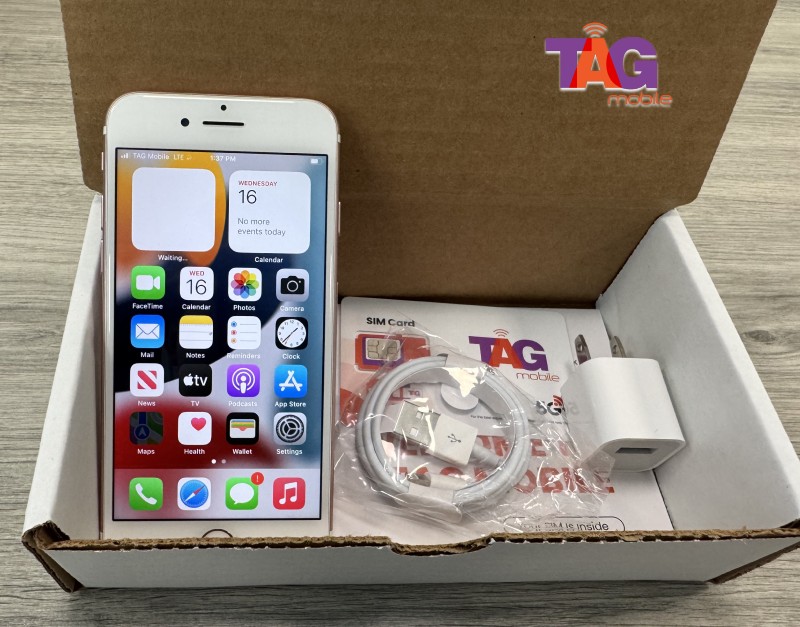
Through Eligible Telecommunications Carriers (ETCs) like TAG Mobile, eligible users, including Medicaid recipients, can get free or discounted phones and tablets.
Here’s how to apply for a free device at TAG Mobile using your Medicaid benefits:
Gather proof of your Medicaid enrollment, such as a benefits letter or official documentation
Visit the TAG Mobile website and enter your ZIP code to check available Lifeline offers
Select a suitable Lifeline plan and choose your free phone or tablet if offered
Complete the online application with your personal and Medicaid information
Upload documents if the system cannot automatically verify your eligibility
Review all details carefully, then submit your application for approval
Once approved, receive your device, typically within 7–10 business days, with activation instructions included
Does Medicare cover dental implants? It is essential for seniors and anyone planning restorative dental care. While Original Medicare generally does not cover implants, knowing the exceptions and exploring options like Medicare Advantage or Medicaid can help you manage costs and access necessary treatments.
For additional support, programs like Lifeline through TAG Mobile can provide free or discounted devices to stay connected and informed. Taking the time to review your coverage and eligibility ensures you make smarter, more cost-effective decisions for your dental and overall healthcare needs.
Note: Eligibility varies by state and program. Offers depend on availability and qualifications. TAG Mobile operates under the federal Lifeline Program as an Eligible Telecommunications Carrier (ETC). Service is non-transferable and limited to one service per household.
Share
TAG Blog
Stories, guides, and helpful updates for staying connected.