

How to Say I Love You in Spanish: 5+ Ways to Express Love
Saying “I love you” in Spanish is not quite as simple as swapping three English words for three Spanish ones. When learning how to say I love you in Spanish, you will quickly come across “te quiero” and “te amo,” two expressions that can carry different levels of affection and intensity.
Choosing between them comes down to the relationship, the moment, and just how strongly you want those words to land.
1. How to Say I Love You in Spanish?
Spanish commonly uses two main expressions for “I love you”: “te quiero” and “te amo.” “Te quiero” is generally softer and more flexible, making it natural with family, close friends, and romantic partners, especially when the relationship is still developing.
“Te amo” expresses deeper, more intense love. It is often reserved for serious romantic relationships, major declarations of affection, or particularly close family bonds. Usage can vary across Spanish-speaking countries, so context and local habits also matter.

2. Expressing Love in Different Ways
Spanish gives you more flexibility than simply repeating the same romantic phrase in every situation. Once you understand how to say I love you in Spanish, you can adjust the wording to express mutual affection, stronger feelings, playful closeness, or love within family relationships.
Responding and Intensifying Your Love
Small additions can make “te amo” sound more affectionate or help you respond naturally when someone says it first. The best phrase depends on whether you want to return the feeling, emphasize its intensity, or add a playful romantic touch.
“Te amo también” (I love you too in Spanish)
If you are learning how to say I love you too in Spanish, “te amo también” is a direct and heartfelt response. “También te amo” is equally natural and means the same thing, with slightly different emphasis.
“Te amo mucho” (I love you so much in Spanish)
For how to say I love you so much in Spanish, “te amo mucho” is simple and emotionally strong. It emphasizes the depth of your affection without making the sentence complicated or overly poetic.
“Te amo más” (I love you more in Spanish)
For anyone learning how to say I love you more in Spanish, “te amo más” is a simple and affectionate expression to remember. Literally meaning “I love you more,” it often comes naturally after a partner says “te amo,” turning the reply into a sweet, playful way to return their affection.
Love in Different Contexts
The same phrase can feel romantic, familial, casual, or intensely emotional depending on the relationship. Spanish speakers therefore choose between “te quiero,” “te amo,” and related expressions based on closeness, intention, and cultural habits rather than following one universal rule.
Romantic relationships (formal/informal)
“Te quiero” often feels natural during dating or in relationships where affection is growing, while “te amo” carries greater emotional intensity. Neither phrase is inherently formal; Spanish normally uses “te” with someone you have an intimate personal relationship with.
How to say it to a girl (casual dating vs. serious relationship phrasing)
For how to say I love you in Spanish to a girl, “te quiero” can feel more natural during casual or developing romance. In an established, deeply committed relationship, “te amo” communicates a stronger declaration of love.
Family and close friends
“Te quiero” is widely used to express affection toward parents, children, siblings, and close friends. “Te amo” can also appear within families in some countries or especially in emotional situations, although its frequency varies considerably by region.
Formal situations
Direct declarations of love rarely belong in genuinely formal relationships, so “te amo” or “te quiero” may sound inappropriate with colleagues or acquaintances. Warm phrases such as “te aprecio mucho,” meaning “I appreciate you very much,” often fit better when affection is sincere but not romantic.
>>> Also read: What Does ISTG Mean? Texting, Slang, and Examples Explained
3. Make Language Learning Easier With Your Phone or Tablet
Language apps, pronunciation videos, dictionaries, and conversations with native speakers can all turn a phone into a useful Spanish-learning tool. Affordable connectivity can make those resources easier to access consistently, especially for households already managing tight monthly budgets.
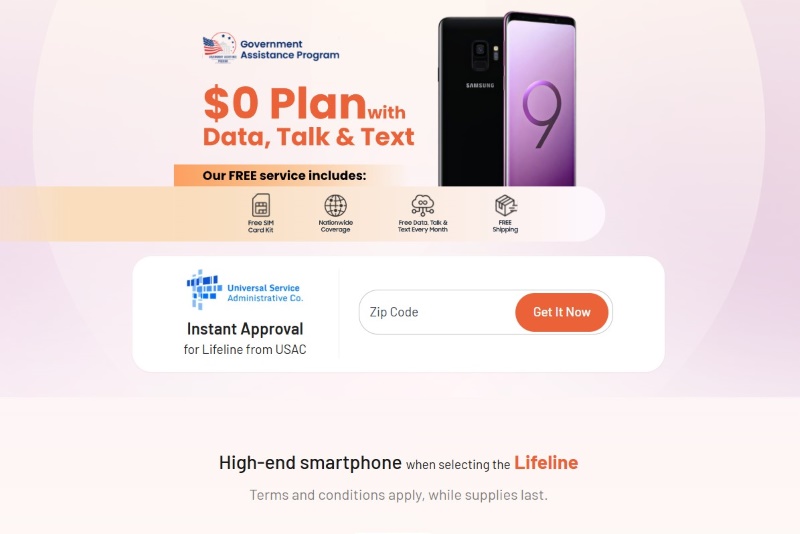
TAG Mobile is a Houston-based U.S. wireless provider that participates in the federal Lifeline Program. Eligible customers often consider TAG Mobile because it combines Lifeline-supported monthly wireless service with flexible device choices, affordable upgrades, multilingual customer support, and free or discounted phone offers when available.
Whether you are practicing pronunciation through videos or messaging a Spanish-speaking friend, reliable mobile access can make language learning easier beyond the classroom. Eligible customers interested in a free phone through TAG Mobile can generally follow these steps:
- Confirm your eligibility: Determine whether you qualify through household income or participation in an approved assistance program.
- Enter your ZIP code: Check whether TAG Mobile Lifeline service and current device offers are available in your area.
- Review available options: Compare the Lifeline plan and any free or discounted phones offered for your location.
- Choose a plan and device: Select an eligible service plan and available smartphone option.
- Complete the application: Provide your legal name, date of birth, residential address, and other requested information.
- Verify your eligibility: Upload proof of income, program participation, identity, or address if additional verification is required.
- Submit for approval: Review your information carefully and submit the completed application.
- Wait for delivery: Once approved, qualifying devices are typically delivered within 7-10 business days, depending on inventory and shipping conditions.
- Activate your service: Follow the provided instructions to activate your phone, SIM card, or eSIM.
Lifeline applicants can generally qualify in two main ways:
- Program-based eligibility: Participation in qualifying assistance programs such as Medicaid, SNAP, SSI, Federal Public Housing Assistance, or Veterans Pension or Survivors Benefit may establish eligibility.
- Income-based eligibility: Households may qualify when income is at or below 135% of the Federal Poverty Guidelines, subject to applicable program rules and verification requirements.
Note: Eligibility varies by state and program. Offers depend on availability and qualifications. TAG Mobile operates under the federal Lifeline Program as an Eligible Telecommunications Carrier (ETC). Service is non-transferable and limited to one service per household.
4. FAQs about Saying “I Love You” in Spanish
Spanish expressions of affection can vary by country, relationship, and emotional intensity, so literal translations do not always tell the whole story. These common questions can help you choose wording that sounds more natural in real conversations.
Is “Te Amo” too strong to say early in a relationship?
It can be. “Te amo” usually communicates deep, serious love, so saying it very early may feel intense depending on the person and cultural context. “Te quiero” often feels more natural while a romantic relationship is still developing.
What does “Mi Amor” mean in Spanish?
“Mi amor” literally means “my love.” It is commonly used as an affectionate term for a romantic partner, although some Spanish-speaking families and communities also use it warmly with children or other loved ones.
How do you respond when someone says “Te Amo”?
“Yo también te amo” or simply “te amo también” both mean “I love you too.” If you want a warmer or playful response, you could say “te amo más,” meaning “I love you more.”
Can “Te Amo” be used in a text message?
Yes. “Te amo” works naturally in texts, messages, cards, and spoken conversation when the relationship suits that level of affection. Emojis or personal wording can make the message warmer, but the phrase already carries strong emotion on its own.
What is a cute way to say “I Love You” in Spanish?
“Te quiero muchísimo” means roughly “I love you very much” and can sound affectionate without being overly formal. Other sweet options include “eres mi amor” for “you are my love” or “te adoro” for “I adore you,” depending on the relationship.
Final Thoughts
Learning how to say I love you in Spanish is not just about memorizing a translation; it is about choosing words that feel right for the relationship and the moment. “Te quiero” may sound natural in many affectionate situations, whereas “te amo” can carry a stronger romantic tone.
Start with the expression that best matches what you want to say, practice the pronunciation, and add your own personal touch when you are ready to share it.
Language is full of small details that can change how a message comes across. The TAG Mobile blog has more guides on everyday topics, language, and useful things worth knowing.
- Share This:
-

-

-

-

-


About the author
