

How to Use a Slow Cooker: Timing, Layering, and Flavor Explained
Slow cookers simplify meal preparation by turning inexpensive ingredients into tender, flavorful dishes with minimal attention. Understanding how to use a slow cooker involves choosing the right heat setting, arranging ingredients in the proper order, and matching cooking time to each recipe.
This guide explains low versus high settings, liquid control, layering techniques, seasoning adjustments, and safety tips for dependable results with soups, stews, meats, and everyday family meals.
1. How to Use a Slow Cooker for the First Time
First-time success depends on understanding the appliance’s heat settings, preparation requirements, and cooking sequence.
Following a few practical rules helps ingredients cook evenly while preventing food-safety problems, excess liquid, or uneven texture.
Basic slow cooker settings
Most slow cookers include low, high, and warm settings.
Low cooks food gradually over several hours, while high reaches a similar final temperature more quickly. The warm setting is designed to hold fully cooked food, not to cook raw ingredients.
Avoid lifting the lid repeatedly because each opening releases heat and may extend the cooking time.
Safety considerations and prep steps
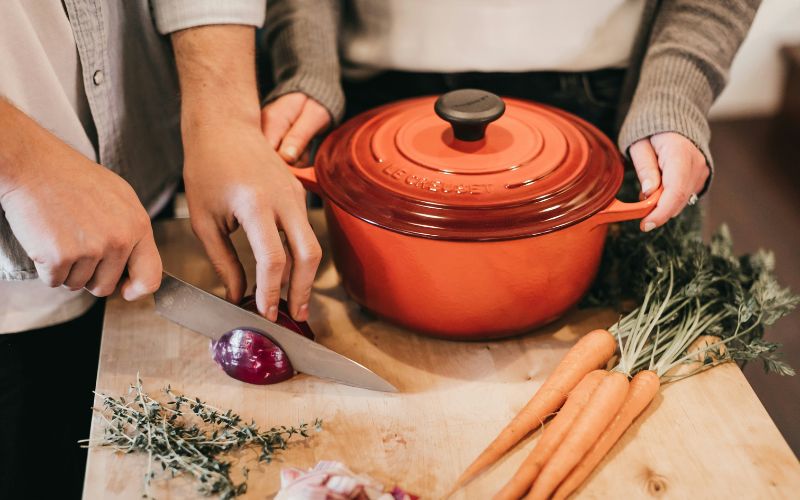
Place the slow cooker on a dry, heat-resistant surface with enough space around it for ventilation.
Thaw meat before cooking, wash produce, and prepare ingredients with clean utensils to reduce contamination risks. Fill the insert about halfway to three-quarters full for even heating, and never place a cold ceramic insert directly into a preheated base.
Timing guidelines for different foods
Cooking time varies by ingredient size, density, and heat setting. Root vegetables may need six to eight hours on low, while poultry and smaller meat cuts often finish sooner.
Seafood, dairy products, pasta, and delicate vegetables should usually be added near the end because extended cooking can make them tough, separated, or overly soft.
Layering ingredients correctly
Dense vegetables such as potatoes, carrots, and onions should go near the bottom, where they receive the most direct heat.
Place the meat above them, followed by seasonings and the recommended amount of liquid. Delicate vegetables, fresh herbs, dairy, and quick-cooking ingredients belong closer to the top or should be stirred in during the final stage.
2. How to Use an Instant Pot as a Slow Cooker
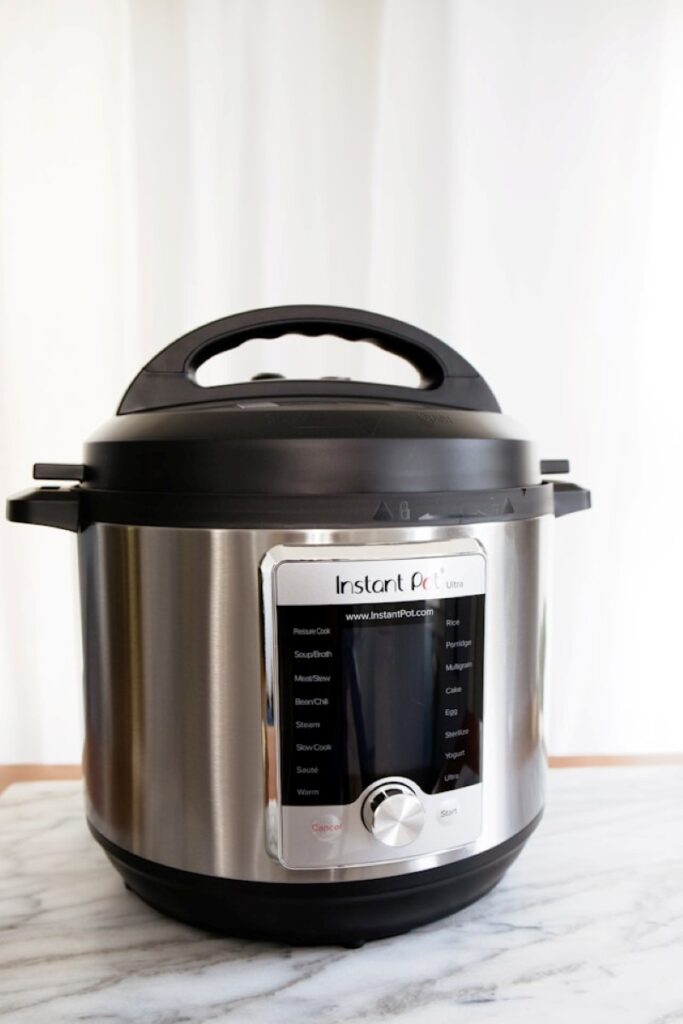
The slow-cook function prepares food without building pressure, but settings and controls vary among Instant Pot models.
Understanding how to use instant pot as a slow cooker requires selecting the correct program, allowing steam to escape, and adjusting traditional recipe times when necessary.
- Add Ingredients: Place dense vegetables at the bottom, followed by meat, seasonings, and the recommended amount of liquid.
- Avoid Overfilling: Keep the inner pot between one-half and three-quarters full so ingredients heat evenly and have enough room to simmer.
- Use the Correct Lid Position: Secure the pressure-cooking lid and set the steam-release control to Venting, or use a compatible glass lid. Slow cooking should not build pressure.
- Select Slow Cook: Press the Slow Cook button or choose the slow-cook program from the control panel.
- Choose the Heat Level: Select Low, Normal, or High according to the model and recipe. Because settings differ, consult the manual when learning how to use the instant pot as a slow cooker.
- Set the Cooking Time: Enter the recommended duration, adding extra time when converting a recipe if the Instant Pot heats more gently than a traditional slow cooker.
- Limit Lid Opening: Keep the lid closed as much as possible because repeated opening releases heat and extends cooking time.
- Check Doneness Safely: Confirm that meat reaches a safe internal temperature and that dense vegetables are tender before serving.
- Use Keep Warm Carefully: Let the appliance hold fully cooked food briefly, but refrigerate leftovers promptly rather than leaving them warm for extended periods.
3. Tips to Finish the Dish After the Slow Cooker Turns Off
Final adjustments can improve texture, freshness, and flavor after the main cooking cycle is complete. These simple finishing steps help balance the dish without overcooking delicate ingredients.
Thickening watery sauces
Thin sauces can be reduced by transferring the liquid to a saucepan and simmering it uncovered.
Another option is stirring in a cornstarch slurry made with equal parts cornstarch and cold water. Anyone learning how to use a slow cooker should add the slurry gradually, then cook briefly until the sauce reaches the desired consistency.
Adding fresh ingredients at the end
Fresh herbs, citrus juice, green onions, spinach, and dairy products are best added after cooking or during the final minutes. This timing preserves color, aroma, and texture. Stir them in gently, taste the dish, and adjust salt or acidity before serving.
Browning meat for extra flavor
Slow-cooked meat may be tender but lacks a browned exterior. Transfer it to a hot skillet, broiler, or grill for a few minutes to create a deeper color and richer flavor. Pat the surface dry first so it sears instead of steaming.
>>> Read More: How to Clean a Blender and Remove Stubborn Residue
4. Troubleshooting Common Slow Cooker Problems
Unexpected texture or flavor issues usually come from excess liquid, incorrect timing, or weak seasoning. Understanding the cause makes it easier to adjust the dish without starting over.
Why your meal is watery
Slow cookers lose very little moisture during cooking, so recipes often need less liquid than stovetop dishes.
Vegetables and meat also release juices as they cook. Remove the lid near the end, transfer the sauce to a pan for reduction, or add a cornstarch slurry to improve consistency.
Food is undercooked or overcooked
Undercooked food may result from opening the lid too often, overfilling the pot, or using pieces that are too large.
Overcooking often happens when delicate ingredients stay in too long. Learning how to use a slow cooker includes matching food size, heat setting, and cooking time carefully.
Flavors are bland or unbalanced
Long cooking can soften spices and reduce the brightness of herbs or acidic ingredients. Taste before serving, then adjust with salt, pepper, citrus juice, vinegar, fresh herbs, or a small amount of sweetness. Adding part of the seasoning near the end can create a fresher, more balanced flavor.
5. Frequently Asked Questions About Using a Slow Cooker
Small technique choices can affect texture, timing, and food safety throughout the cooking process. These answers clarify common concerns so meals cook more evenly and require fewer last-minute fixes.
Should ingredients be covered completely with liquid?
No, most slow cooker ingredients do not need to be fully submerged. Meat and vegetables release moisture as they cook, so adding too much liquid can leave the finished dish thin or diluted.
Can you put raw meat directly in a slow cooker?
Yes, raw meat can go directly into a slow cooker as long as it is fully thawed and cooked to a safe internal temperature. Browning it first is optional, but doing so can improve color, texture, and flavor.
Is it better to cook on Low or High?
Low is often better for tougher cuts of meat because the longer cooking time helps connective tissue break down gradually. High works well when time is limited, although delicate ingredients may become softer or overcook more easily.
Can you open the lid during cooking?
Occasional checking is fine, but repeated lid opening releases heat and can extend the cooking time. Keep the lid closed unless the recipe requires stirring, adding ingredients, or checking doneness near the end.
Why is my slow cooker meal watery?
Slow cookers trap steam, and many ingredients release additional moisture during cooking. Reduce the amount of added liquid, thicken the sauce with a slurry, or simmer it separately after cooking to improve the consistency.
6. Final Thoughts
Learning how to use a slow cooker makes everyday meal preparation simpler, safer, and more convenient. Correct layering, suitable cooking times, balanced liquid, and careful seasoning help create tender dishes with dependable texture and flavor. Final adjustments can also rescue watery sauces or bland results before serving.
Keep recipes, cooking guides, and helpful kitchen resources close at hand with TAG Mobile.
- Share This:
-

-

-

-

-



About the author
