

How to Remove a Stripped Screw: Easy Fixes That Actually Work
A stripped screw can stop a repair in seconds, especially when your screwdriver keeps slipping instead of gripping. Knowing how to remove a stripped screw gives you a way to regain control without making the damage worse. With the right approach, even stubborn screws can be loosened and removed cleanly.
1. Find the Type of Stripped Screw Before You Start
Removal becomes easier once you know what type of screw you are dealing with and how badly the head is damaged. Different fasteners respond better to different tools, so identifying the shape and condition first can prevent further stripping.
- Phillips Screws: Cross-shaped heads can wear down when the wrong screwdriver size is used or too much pressure is applied. Depending on the damage, a larger bit, rubber band, locking pliers, or extractor may provide better grip.
- Allen (Hex) Screws: Six-sided sockets often become rounded after repeated slipping. Slightly larger hex bits, Torx bits, locking pliers, or extractors can sometimes create enough contact to loosen the screw.
- Torx Screws: Star-shaped heads usually offer a strong grip, but damaged points can still make removal difficult. Start with the correct Torx size, then move to a larger bit or extractor only if the recess is too worn.
- Rusted vs. Stripped Screws: Stripped screws have damaged drive recesses, while rusted screws may remain intact but become seized by corrosion. Rust usually calls for penetrating oil and patience, whereas stripping requires a method that restores grip or extracts the fastener.
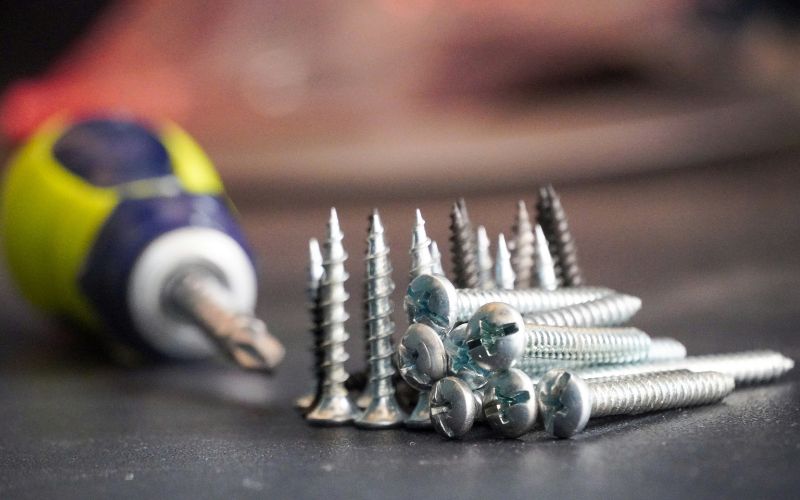
2. How to Remove a Stripped Screw for Each Screw Type
Different screw heads fail in different ways, so the best removal method depends on the shape of the recess and how much grip is left. Start with the least aggressive technique first, then move to stronger extraction methods only when simpler options no longer work.
How to Remove a Stripped Allen screw
Rounded Allen sockets often lose contact between the key and the inner walls, making normal turning difficult. A better grip can sometimes be restored by changing the bit shape or using an extractor before drilling becomes necessary.
- Clean debris from the socket so the tool can sit as deeply as possible.
- Try a fresh Allen key in the correct size before moving to other methods.
- Tap a slightly larger Torx bit gently into the rounded socket if enough material remains.
- Turn slowly with firm downward pressure to reduce slipping.
- Use a screw extractor if the head is too damaged for normal bits.
- Replace the screw once removed rather than reusing the damaged fastener.
How to Remove a Stripped Phillips screw
Phillips heads usually strip when the driver cam-outs and wears away the cross-shaped recess. Extra friction or a better-fitting bit may be enough when the damage is mild, while badly rounded heads may need pliers or an extractor.
- Clear dirt or metal shavings from the recess.
- Try a larger Phillips bit that fits more tightly into the remaining grooves.
- Place a rubber band between the bit and screw head to increase friction.
- Apply steady downward pressure while turning counterclockwise.
- Grip the outer edge with locking pliers if the head protrudes above the surface.
- Move to a screw extractor when the recess can no longer hold a driver.
How to Remove a Stripped Hex screw
Stripped hex screws are similar to rounded Allen screws because both rely on a six-sided internal socket. The goal is to create fresh contact inside the recess without damaging the surrounding material.
- Remove loose debris and inspect how much of the hex shape remains.
- Test a slightly larger hex bit for a tighter fit.
- Tap in a Torx bit carefully if the rounded socket cannot hold the original tool.
- Turn slowly while maintaining strong, even pressure.
- Use penetrating oil first if corrosion is making the screw harder to move.
- Finish with an extractor when standard bits cannot generate enough grip.
3. How to Remove a Screw with a Stripped Head
Once the drive recess is too damaged for a screwdriver to grip normally, removal becomes a matter of creating new traction or grabbing the screw from the outside. Begin with the gentlest option available, then move toward extraction or drilling only if the head remains stuck.
- Clean the screw head to remove dust, rust flakes, paint, or metal debris.
- Try a fresh screwdriver bit that fits the remaining recess as tightly as possible.
- Place a rubber band or abrasive material between the bit and screw to improve friction.
- Apply firm downward pressure while turning slowly counterclockwise.
- Use locking pliers if enough of the screw head sits above the surface to grip securely.
- Cut a straight slot across the head with a rotary tool, then use a flathead screwdriver if the surrounding material allows.
- Use a screw extractor for heads that are too rounded or damaged for normal tools.
- Drill the head off only as a last resort, then remove the remaining shaft with pliers after separating the attached material.
>>> Also read: How to Clean Window Tracks for Smoother Sliding Windows
4. Common Mistakes That Make a Stripped Screw Worse
Small errors during removal can turn a manageable screw into one that is much harder to extract. When learning how to remove a stripped screw, protecting the remaining edges of the head should be the priority before using more aggressive tools.
Using the Wrong Bit Size
A bit that is too small, too large, or poorly matched to the screw head can slip repeatedly and wear away the remaining grooves. Always test the closest-fitting size first and make sure the bit sits deeply and securely before applying torque.
Applying Too Much Speed
Fast drilling or rapid screwdriver movement can generate heat, increase slipping, and damage the recess even further. Use slow, controlled turns with steady pressure so the tool has a better chance of maintaining contact with the screw.
Forcing the Screw Without Loosening Rust
Corrosion can lock the threads in place even when the head still has some usable grip. Trying to overpower a rusted screw may strip it completely. Apply penetrating oil, allow time for it to work, then try removal again with controlled pressure.
Repeatedly Slipping With the Same Tool
Once a driver starts slipping, continuing with the same setup usually makes the damage worse. Stop, reassess the screw head, and switch to a better-fitting bit, rubber-band method, locking pliers, or extractor before the recess becomes unusable.
Drilling Too Early
Drilling can remove the screw, but it also carries a greater risk of damaging surrounding material or making extraction harder. Save drilling for later stages, after simpler grip-based methods and screw extractors have failed.
5. Make DIY Repairs Easier With Helpful Mobile Resources
Repair tutorials, tool guides, and step-by-step videos are much easier to follow when they are available right beside your work area. Eligible households may also qualify for federal support that makes essential mobile service more affordable.
Lifeline is a federal program that lowers the cost of qualifying phone or internet service, helping eligible households stay connected for work, school, healthcare, and daily communication.
As an Eligible Telecommunications Carrier, TAG Mobile provides Lifeline-supported wireless service and may offer qualifying customers free or discounted devices, depending on eligibility and availability. Eligibility is based on participation in approved assistance programs such as SNAP or meeting Lifeline’s household income guidelines. You can visit TAG Mobile to check your eligibility and available offers.
Getting started through TAG Mobile is straightforward once your eligibility is confirmed. Keep your information and supporting documents ready so the application can move through verification smoothly.
- Check eligibility: Confirm that you qualify through income or an approved program such as SNAP, Medicaid, SSI, Federal Public Housing Assistance, Veterans Pension or Survivors Benefit, or certain Tribal programs.
- Prepare your information: Have your name, address, identification details, and proof of eligibility available before starting.
- Enter your ZIP code: Visit TAG Mobile and provide your ZIP code to review Lifeline availability (includes the plan and device) in your area.
- Complete the online application: Fill in the requested personal and eligibility information accurately.
- Upload documents if needed: Supporting proof is usually required only when automatic verification cannot confirm your eligibility.
- Wait for approval: TAG Mobile will process the application after verification is complete.
- Receive the device: After approval, an available qualifying phone is typically delivered within 7-10 business days with activation instructions included.
- Activate service: Follow the included directions to set up the device and begin using your Lifeline-supported wireless service.

Note: Eligibility varies by state and program. Offers depend on availability and qualifications. TAG Mobile operates under the federal Lifeline Program as an Eligible Telecommunications Carrier (ETC). Service is non-transferable and limited to one service per household.
6. Some Questions about Removing Stripped Screws
Stripped screws can often be removed without damaging the surrounding material, but the best method depends on how worn the head is and how tightly the screw is stuck. These answers explain when common removal techniques are worth trying and when stronger tools are more appropriate.
Does the rubber band trick actually work?
Yes, it can work when the screw head is only mildly stripped. Placing a wide rubber band between the screwdriver bit and the screw can add friction, but it usually will not help if the recess is already badly rounded or the screw is seized.
When should you use a screw extractor?
Use a screw extractor when standard bits, extra friction, or locking pliers can no longer grip the fastener effectively. Extractors are especially useful for heavily stripped heads, but they should be used slowly and carefully to avoid breaking the extractor inside the screw.
Can you drill out a stripped screw safely?
Yes, but drilling should usually be a last resort because it can damage the surrounding surface or enlarge the hole. Start with a small, centered bit and work carefully, especially near delicate materials or hardware that you plan to reuse.
Final Words
Once you understand how to remove a stripped screw, the process becomes far less frustrating. Taking a gradual approach, starting simple and only stepping up when needed, helps protect the surrounding material and keeps repairs on track.
Looking for simple ways to stay connected while learning and fixing things on your own? See how TAG Mobile can support your everyday needs.
- Share This:
-

-

-

-

-



About the author
