

How to Clean a Coffee Grinder for Better-Tasting Coffee
If your coffee suddenly tastes dull or slightly bitter, the grinder is often the reason. Learning how to clean a coffee grinder helps remove old oils and trapped grounds that quietly affect every cup. A quick, proper clean can bring back clarity in flavor and keep your grind consistent without much effort.
1. Why a Clean Coffee Grinder Makes Better Coffee?
Coffee residue does more than make a grinder look dirty; it can gradually change the aroma, consistency, and overall character of every brew. Regular cleaning helps the grinder work as intended while keeping old flavors from interfering with freshly roasted beans.
- Preserves Fresh Flavor: Old grounds and coffee oils can turn stale or rancid over time, creating bitter or unpleasant notes that transfer into newly ground coffee.
- Improves Grind Consistency: Fine particles can collect around burrs or blades, making it harder for the grinder to produce an even texture across each batch.
- Prevents Flavor Mixing: Residue from dark roasts, flavored beans, or previous coffee varieties can influence the taste of the next beans you grind.
- Supports Grinder Performance: Heavy buildup can make moving components work less efficiently, potentially causing slower grinding, clogging, or unnecessary strain on the machine.
- Reduces Unwanted Odors: Trapped oils and coffee dust can develop stale smells, especially when the grinder is used frequently without routine maintenance.
2. How to Clean a Coffee Grinder Step by Step
Coffee dust can settle deep inside a grinder, especially around burrs, blades, and narrow corners that are easy to overlook. A careful routine helps remove buildup safely while protecting the motor and preserving consistent grinding performance.
Unplug and Empty the Grinder
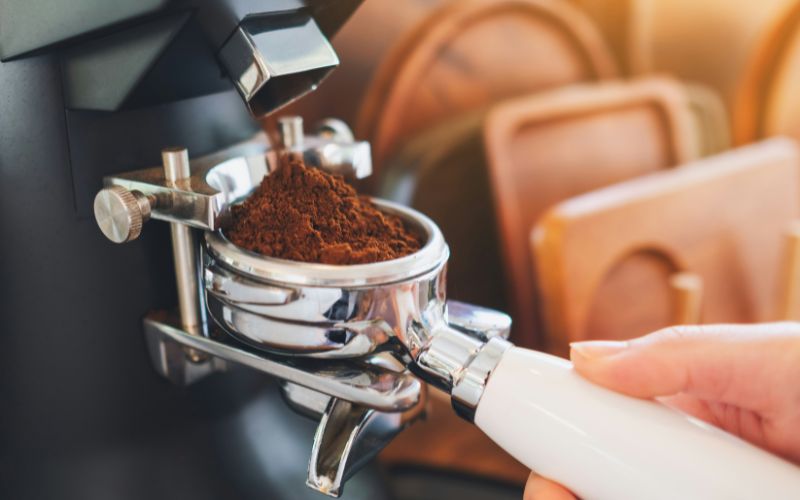
Always disconnect the grinder from power before cleaning and remove any beans or loose grounds from the hopper. This first step keeps the machine from turning on accidentally and gives you clear access to the parts that collect the most residue.
Remove Loose Coffee Grounds
Use a soft brush, handheld vacuum, or dry cloth to clear visible grounds from the grinding chamber and surrounding surfaces. When learning how to clean a coffee grinder, removing loose particles first makes deeper cleaning easier and prevents coffee dust from spreading into other components.
Brush the Burrs or Blades
Gently brush burrs or blades with a dry, soft-bristled cleaning brush, paying attention to grooves and edges where oils and fine particles collect. Avoid soaking internal metal parts unless the manufacturer specifically allows it, since excess moisture can cause corrosion or damage electrical components.
Wipe the Hopper and Lid
Wash removable hoppers and lids with mild dish soap and warm water if the manufacturer permits, then dry them completely before reinstalling. For non-removable parts, use a slightly damp microfiber cloth and avoid letting water drip into the grinder body or motor housing.
Reassemble and Test
Once every component is fully dry, reinstall the burrs, hopper, lid, and other removable pieces in the correct position. Run the grinder briefly with a small amount of coffee beans to confirm that everything moves smoothly and that no cleaning residue or unusual odors remain.
>>> Also read: How to Clean Burnt Pan Without Damaging the Surface
3. How to Clean Different Types of Coffee Grinders
Different grinder designs collect residue in different places, so the safest cleaning method depends on the machine’s construction and removable parts. Paying attention to burr assemblies, hoppers, chutes, and manufacturer instructions helps protect performance while removing stale coffee oils and fine grounds.
How to Clean a Commercial Coffee Grinder?
Commercial grinders usually handle larger volumes of beans, so coffee dust and oils can build up quickly around the burrs, chute, hopper, and dosing area. Unplug the machine, empty all beans, remove detachable parts, and brush away loose grounds with a grinder brush or suitable vacuum.
Clean the hopper and other washable components according to the manufacturer’s instructions, then dry everything completely before reassembly. When learning how to clean a coffee grinder, commercial models may also require periodic burr inspection and professional servicing because of their heavier daily use.
How to Clean a Cuisinart Coffee Grinder?
Start by unplugging the Cuisinart grinder and removing any remaining beans or grounds. Detach the hopper, lid, grinding chamber, or removable burr components only if your specific model allows it, since designs vary.
Use a dry brush to clear grounds from the burrs or blades and wipe the exterior with a soft cloth. Wash removable parts with mild soap and warm water only when the manual identifies them as washable, then let them dry fully. Avoid introducing water into the motor housing, electrical contacts, or other non-removable internal areas.
4. How Often to Clean a Coffee Grinder?
If you’re wondering how to clean a coffee grinder, a good rule is to clean a home grinder every 2 to 4 weeks with regular use, or whenever you switch to a new bag of beans.
How often you clean it also depends on the roast type: dark, oily roasts typically require cleaning about once a month, while light roasts can often go 2 to 3 months between deep cleans.

5. Common Coffee Grinder Cleaning Mistakes
Cleaning a grinder seems simple, but if you’re learning how to clean a coffee grinder, a few careless habits can shorten its lifespan or leave residue behind. Avoiding these mistakes helps protect the motor, burrs, blades, and removable parts while keeping coffee flavor consistent.
- Using Too Much Water: Water should never enter the motor housing or electrical components. Only wash removable parts when the manufacturer confirms they are washable, and dry them completely before reassembly.
- Scrubbing With Harsh Tools: Metal brushes, abrasive pads, and aggressive scraping can scratch surfaces or damage burr edges. Use a soft grinder brush, microfiber cloth, or other gentle cleaning tool instead.
- Reassembling Damp Parts: Moisture left on burrs, hoppers, or internal components can encourage corrosion and affect coffee grounds. Allow every cleaned part to air-dry thoroughly before putting the grinder back together.
- Ignoring Hidden Coffee Dust: Fine grounds often collect inside chutes, corners, and beneath removable burrs. Cleaning only the hopper leaves buildup that can eventually affect grind consistency and flavor.
- Using the Wrong Cleaning Method: Grinder designs vary, so techniques that work for one model may damage another. Always check the manufacturer’s instructions before removing burrs, washing components, or using grinder-cleaning tablets.
6. Helpful Coffee Guides Are Easier to Access With a Phone
Coffee recipes, grinder tutorials, brewing ratios, and maintenance guides are much easier to follow when they are available right beside your kitchen setup. For eligible households, federal assistance may also help reduce the cost of staying connected to these digital resources.
The Lifeline Program is a federal benefit that lowers the monthly cost of qualifying phone or internet service for eligible consumers. The benefit is generally limited to one per household and is intended to make essential communication more affordable.
TAG Mobile is an eligible telecommunications carrier that helps approved customers receive wireless service supported by the Lifeline Program. While Lifeline provides the service discount, TAG Mobile may offer additional perks to eligible applicants, such as access to free or discounted devices.
These device offers are separate from the Lifeline benefit and can support everyday needs like calls, texts, mobile data use, and accessing online resources. Availability of devices and pricing may vary by location and eligibility.
From comparing brewing methods to watching a grinder-cleaning tutorial, a smartphone or tablet can keep useful coffee information close at hand. TAG Mobile currently lists several device options that customers can review directly:
- iPhone 8 Plus: A smartphone option for browsing coffee guides, streaming tutorials, messaging, and daily communication.
- Samsung Galaxy S20 5G: Supports mobile browsing, video content, apps, and communication on a modern smartphone platform.
- FOXXD C67: A smartphone option for accessing online guides, messages, videos, and routine digital tools.
- Samsung Galaxy Tab A 2018: A tablet with a larger display that can be convenient for viewing recipes, brewing instructions, and step-by-step tutorials.
- FOXXD A67U: Provides everyday smartphone access for web searches, communication, instructional videos, and useful apps.
- TCL 20 SE: Suitable for browsing coffee resources, watching guides, communicating, and handling routine mobile tasks.
- Clovertek G17: Supports common communication and online activities, including accessing coffee tips and household tutorials.

Note: Eligibility varies by state and program. Offers depend on availability and qualifications. TAG Mobile operates under the federal Lifeline Program as an Eligible Telecommunications Carrier (ETC). Service is non-transferable and limited to one service per household.
Final Words
Once you understand how to clean a coffee grinder, it becomes a simple habit with a big impact. A few minutes of care can keep flavors clean, grinding consistent, and every cup closer to what it should taste like. For more practical guides and everyday tools that support your routine, explore what TAG Mobile has to offer.
- Share This:
-

-

-

-

-



About the author
