

Micro SIM Card: What It Is and Do You Still Need One Today?
A micro SIM card was once the standard for many smartphones, offering a smaller size than the original SIM while providing full cellular functionality. Today, with the rise of nano SIMs and eSIMs, micro SIMs are less common but still used in some older devices.
Understanding whether your phone requires a micro SIM card can help you stay connected without interruption. For detailed guidance and plan options, refer to the article below from TAG Mobile to ensure seamless service.
1. What Is a Micro SIM Card?
A micro SIM card is a physical SIM card format, technically called 3FF, measuring about 15 × 12 mm, that fits into compatible devices to connect them to mobile networks. It carries the same essential chip and functionality as other SIMs, storing identity and network credentials so the phone can make calls, send texts, and use data.
While micro SIMs were widely used in smartphones and tablets around the 2010s, most modern handsets now use smaller Nano SIMs or eSIMs instead.
2. Micro SIM Card Size and Specifications
When choosing a SIM card for your device, understanding its size and specifications is essential. The micro SIM card offers a balance between the original SIM and modern, smaller formats, providing full functionality in a compact design.
Dimensions
A micro SIM card measures 15mm × 12mm, making it significantly smaller than the standard SIM while retaining the same internal chip and functionality. This compact size allows it to fit into slimmer devices without compromising connectivity.
Despite being smaller, it still stores your mobile network credentials, limited contacts, and other essential data. Its reduced size also paved the way for thinner smartphones and tablets, offering a more efficient use of space while maintaining full mobile capabilities.
How It Differs From Standard SIM
The micro SIM differs from the standard SIM primarily in size, measuring roughly half the width of the original SIM. While the standard SIM measures 25mm × 15mm, the micro SIM retains all core functions in a smaller footprint, including network authentication, call and text capabilities, and data access.
This size reduction allowed manufacturers to design thinner devices and allocate space for other hardware components, without requiring users to compromise on connectivity or service functionality.
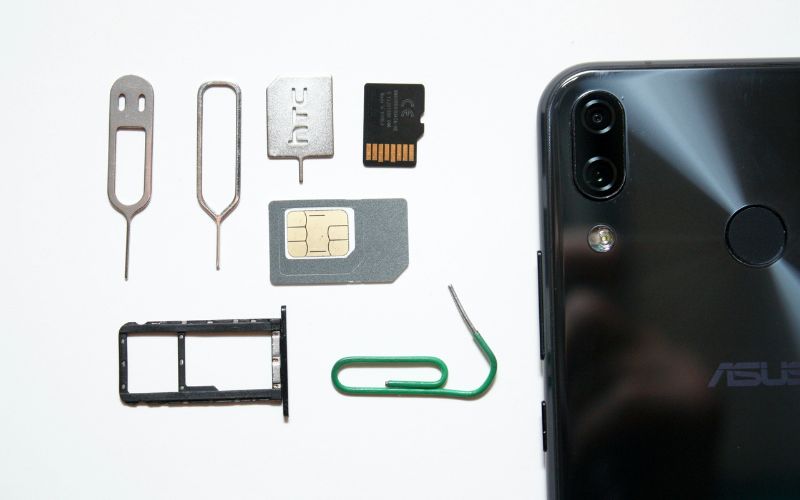
3. Micro SIM vs Nano SIM vs Standard SIM
Learning the differences between the sizes of SIM cards can also assist you in choosing the best one for your needs. The standard SIM card, micro SIM card, and nano SIM card all have the same function, which is to connect your phone to the mobile network.
| Feature | Standard SIM | Micro SIM | Nano SIM |
| Dimensions | ~25 mm × 15 mm | 15 mm × 12 mm | 12.3 mm × 8.8 mm |
| Introduced | Early mobile phones | Later smartphones (mid‑2010s) | Modern smartphones (mid‑2010s onward) |
| Size Advantage | Largest and oldest format | Smaller than standard, fits slimmer devices | Smallest physical SIM, frees up space inside devices |
| Functionality | Same connectivity features as other SIMs | Same features in a smaller form | Same features with the smallest footprint |
| Device Compatibility | Older phones, tablets | Older to mid‑generation devices | Most current smartphones |
| Ease of Use | Easy to handle | Easier to swap than standard | The smallest may require careful handling |
All three SIM sizes perform the same core functions, but nano SIMs are now the most widely used in modern devices due to their minimal size. If your phone requires a different SIM size, adapters can help you use smaller SIMs in larger slots, making it easier to stay connected without needing multiple cards.
>>> Also read: Nano SIM vs Micro SIM: 2026 Size And Compatibility Quick Guide
4. Upgrading Your Device and SIM For Better Communication
If you’re still using an older SIM type like a micro SIM, upgrading your device and SIM can significantly improve your overall connectivity. Newer phones typically use nano SIM or eSIM technology, offering better network compatibility, faster speeds, and more reliable performance.
For users looking for a more affordable way to upgrade, programs like Lifeline can help. The Lifeline Program provides a monthly discount on mobile service for eligible low-income individuals (based on income or participation in programs like Medicaid or SNAP).
Lifeline providers, such as TAG Mobile, make it easier to switch to a newer SIM setup. Instead of reusing an older micro SIM, you can receive a free SIM card or eSIM that is fully compatible with modern devices. In many cases, providers also offer free or heavily discounted smartphones, helping you upgrade both your device and SIM at the same time.
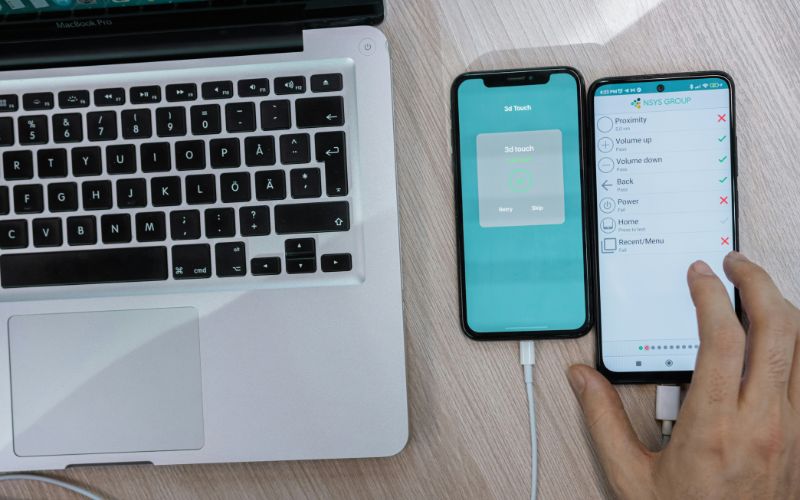
Follow these steps to upgrade your device and receive a free SIM card or eSIM from TAG Mobile:
- Check your eligibility for the Lifeline Program based on your income or participation in qualifying assistance programs. Prepare any required documents in advance.
- Visit the TAG Mobile website and enter your ZIP code to confirm service availability and view plans in your area.
- Explore the list of free or discounted phones and select one that fits your needs. At the same time, choose a plan that includes a SIM card or eSIM based on your device compatibility.
- Enter your personal information, including name, address, date of birth, and identification details. The system may verify your eligibility automatically.
- If automatic verification is not successful, submit proof of eligibility, such as income documents or participation in qualifying programs. Double-check all details before submitting to avoid delays or rejection.
- Once approved, your device and SIM card or eSIM activation details will be sent to you, typically within 7-10 business days.
- Follow the included instructions to activate your SIM or eSIM and start using your upgraded phone.
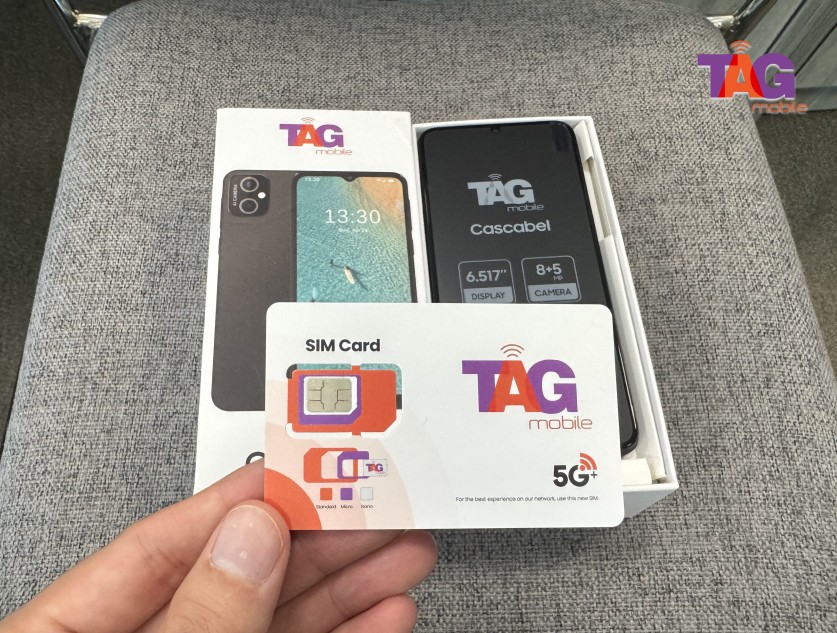
Notice: The government does not cover device costs, only basic service through Lifeline. Any free or discounted devices, upgrades, or top-ups are limited-time TAG Mobile offers and may vary by state, eligibility, and availability. Terms and conditions apply.
Final Words
Micro SIM cards may be less common today, but they remain important for older devices and certain travel setups. Understanding the differences between SIM sizes ensures you choose the right one for seamless connectivity.
Whether you need a micro SIM card for your current phone or want to switch to an eSIM for convenience, TAG Mobile offers flexible options for eligible users. With free SIM cards, upgraded phones, and easy activation, staying connected has never been simpler. Explore TAG Mobile’s plans to get the right SIM and enjoy reliable service wherever you go.
- Share This:
-

-

-

-

-

About the author
