What States Banned Junk Food on EBT: USDA Rules in 2026
New USDA-approved waivers are changing how some households use food benefits at checkout, especially for soda, candy, energy drinks, and other low-nutrition items. This guide expla...
Quincy D.-Jun 17, 2026
Image by Unsplash
Table of Contents
New USDA-approved waivers are changing how some households use food benefits at checkout, especially for soda, candy, energy drinks, and other low-nutrition items.
This guide explains what states banned junk food on EBT, why rules differ by state, and which products may still qualify. For a clearer breakdown, review the TAG Mobile guide below and explore extra ways eligible households can save.
1. What States Banned Junk Food on EBT?
More than 20 states have received USDA approval to limit certain low-nutrition purchases made with SNAP or EBT benefits.
For shoppers asking, “What states you cannot buy junk food with EBT, the approved states include:
SNAP spending patterns are often similar to how many American households shop for groceries. This context matters when discussing what states have banned junk food on EBT, because most benefit spending still covers everyday food staples, even though some low-nutrition items are now being targeted.
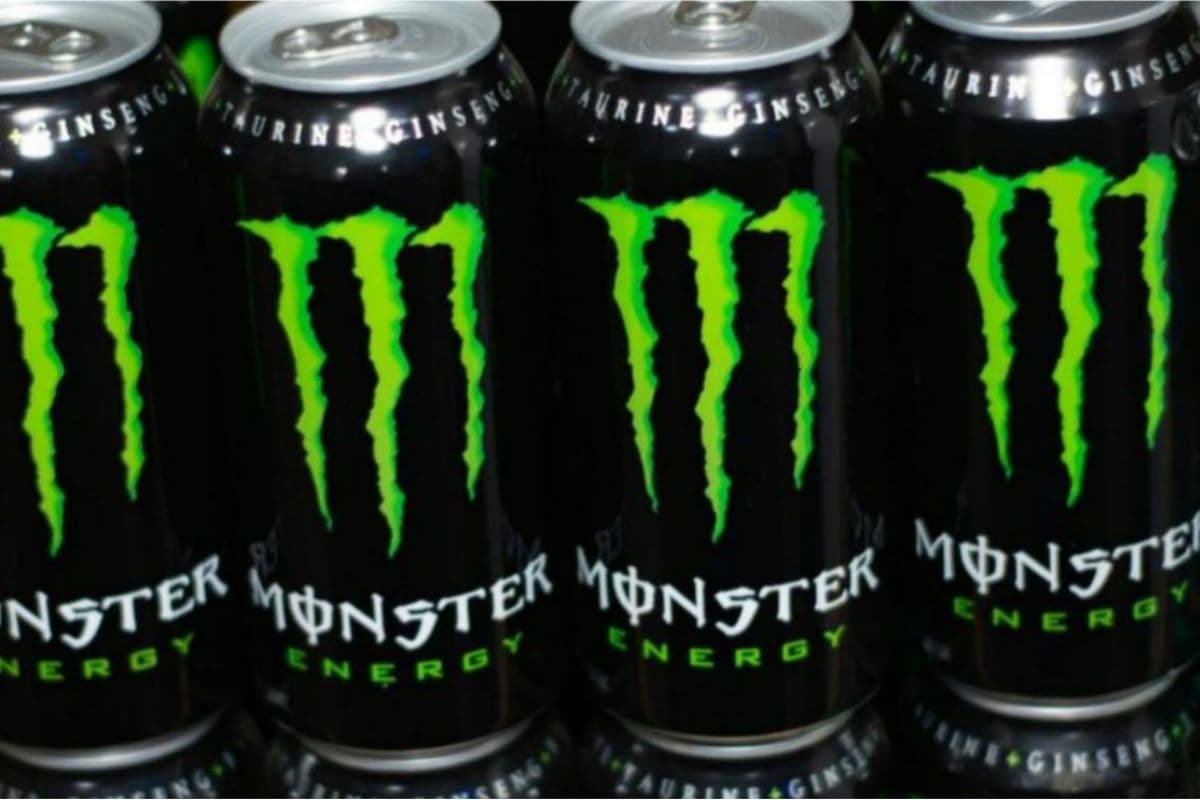
Sweetened beverages: Soft drinks and sweetened juices are often among the most discussed spending categories because they are commonly included in new restriction proposals.
Meat and poultry: Fresh and frozen beef, chicken, pork, seafood, and other protein options remain important grocery staples for many households.
Vegetables and fruits: Fresh, frozen, and canned produce make up a meaningful part of monthly food purchases.
Dairy products: Milk, cheese, yogurt, and similar basics are commonly purchased for their nutritional benefits.
Breads and cereals: Bread, rice, packaged grains, and breakfast cereals remain common household staples under SNAP rules.
Every day, grocery items remain the primary focus of SNAP spending. (Image by Unsplash)
3. Common Misconceptions About Junk Food and SNAP
Confusion around SNAP rules often comes from headlines that make restrictions sound broader than they really are.
Let’s debunk these misconceptions to understand what is changing, what remains eligible, and why state-approved rules should be checked carefully.
Myth 1: Junk Food Is Banned Everywhere
Some shoppers may think junk food restrictions now apply nationwide, but that is not accurate.
Only states with USDA-approved waivers can limit specific low-nutrition items, and each approved state may define restricted products differently.
This is why searches like what states banned junk food on EBT matter for accurate shopping decisions. A rule in one state does not automatically apply in another, so households should check their state SNAP agency before assuming certain items are blocked.
Myth 2: All Snacks Are No Longer Eligible
Not every snack is automatically banned under new SNAP rules. Many packaged foods may still qualify if they meet program rules and are not included in a state’s approved restriction list.
For example, some states may focus on soda, candy, or energy drinks, while other snack-style foods could remain eligible. Since product labels, store systems, and state rules can affect checkout results, shoppers should review current guidance instead of relying on general claims online.
Myth 3: SNAP Benefits Can Only Be Used for Basic Staples
SNAP benefits are designed to help households buy food, but eligible purchases are not limited to rice, bread, milk, or vegetables. Many everyday grocery items can qualify as long as they meet SNAP food rules.
Families may still use benefits for meat, poultry, seafood, fruits, vegetables, dairy products, cereals, pantry staples, and many cold packaged foods. The goal of approved junk food restrictions is usually to limit selected low-nutrition products, not remove access to a wide range of eligible groceries.
4. Additional Programs Available Through SNAP Eligibility
Benefit eligibility can sometimes help households access support beyond grocery purchases. While many readers may focus on what states are banning junk food with EBT, it is also worth checking programs that may lower other monthly costs.
The Lifeline Program is a federal assistance program that provides discounted phone or internet service for eligible low-income consumers. Households can usually qualify in two main ways:
By participating in an accepted assistance program such as Medicaid, SSI, FPHA, Veterans Pension, or Survivors Benefit, certain Tribal programs, or SNAP.
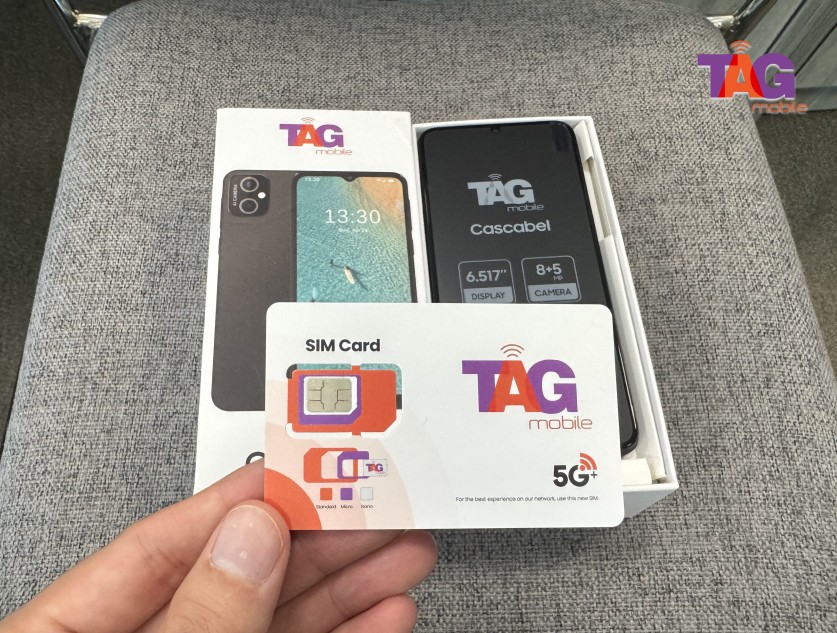
Through the Lifeline program, TAG Mobile helps reduce the financial burden of monthly communication costs while delivering plans built around real everyday needs.
Where available, TAG Mobile may also offer device options to ensure that qualifying households have both the service and the tools to make the most of it.
Apply for TAG Mobile free phone and SIM card/eSIM now!
For households managing grocery budgets and changing benefit rules, a phone option can make daily tasks easier. Device availability can change by ZIP code and current stock, so applicants should check TAG Mobile directly before applying.
Galaxy S20 5G: A Samsung smartphone with 5G connectivity, a modern design, and reliable performance for communication, streaming, and everyday mobile use.
iPhone XR: An Apple device that offers a large display, smooth performance, and a user-friendly experience for calls, messaging, and daily apps.
iPhone 7 Plus: A larger-screen iPhone that may appeal to users who prefer extra viewing space for browsing, videos, and everyday tasks.
TCL 20 SE: An Android smartphone with a spacious display and practical features designed for web browsing, social media, and everyday communication.
Alcatel GO FLIP: A simple flip phone that focuses on calling, texting, and essential communication features for users who prefer a straightforward mobile experience.
Note: Eligibility varies by state and program. Offers depend on availability and qualifications. TAG Mobile operates under the federal Lifeline Program as an Eligible Telecommunications Carrier (ETC). Service is non-transferable and limited to one service per household.
5. Final Words
Benefit rules around junk food purchases are changing in several states, but they do not remove access to many everyday grocery staples. Shoppers should check their state’s approved waiver, restricted product list, and official benefit updates before making assumptions at checkout.
A clear guide to what states banned junk food on EBT can help households understand where limits apply and which items may still qualify. Beyond grocery planning, eligible families may also find support through programs that lower monthly communication costs. For Lifeline service options, possible device availability, and useful phone features, TAG Mobile can be a helpful next step.
Share
TAG Blog
Stories, guides, and helpful updates for staying connected.