SSI vs SSDI vs SSA: What’s the Difference and How They Work Together
Understanding SSI vs. SSDI vs. SSA is essential if you want to navigate Social Security benefits with clarity and confidence. While SSI and SSDI are financial assistance programs f...
Quincy D.-Mar 31, 2026
Table of Contents
Understanding SSI vs. SSDI vs. SSA is essential if you want to navigate Social Security benefits with clarity and confidence. While SSI and SSDI are financial assistance programs for individuals with disabilities, SSA is the agency that manages and oversees both. Each plays a distinct role, but they work together within the same system to provide support.
To better understand how these programs connect and which one applies to your situation, it’s helpful to follow a clear, step-by-step guide from TAG Mobile that explains SSI vs. SSDI vs. SSA in a practical and easy-to-understand way.
1. What Is the SSA (Social Security Administration)?
The Social Security Administration (SSA) is an independent agency of the U.S. federal government responsible for administering programs that provide financial support to eligible individuals. It manages key benefits such as retirement income, disability insurance (SSDI), and Supplemental Security Income (SSI), while also issuing Social Security numbers and maintaining earnings records for workers.
In addition to determining eligibility and processing applications, the SSA ensures that payments are delivered accurately and on time to qualified recipients. The agency plays a central role in connecting people to benefits based on either financial need or work history, helping provide long-term financial stability for retirees, individuals with disabilities, and low-income populations.
2. What Is SSI (Supplemental Security Income)?
Supplemental Security Income (SSI) is a federal program administered by the Social Security Administration that provides monthly payments to individuals with limited income and resources. It is designed to help people who are age 65 or older, blind, or have a qualifying disability meet basic needs such as food, clothing, and shelter.
Unlike SSDI, SSI is not based on work history but on financial need, meaning applicants must meet strict income and asset limits to qualify. To be eligible, you must also live in the United States (or certain eligible territories), be a U.S. citizen or meet specific noncitizen requirements, and file an application with SSA.
Understanding SSI vs. SSDI vs. SSA is essential if you want to navigate Social Security benefits with clarity and confidence.(Image by Unsplash)
3. What Is SSDI (Social Security Disability Insurance)?
Social Security Disability Insurance (SSDI) is a federal program that provides monthly financial support to individuals who can no longer work due to a serious, long-term disability. It is part of the Social Security system and is funded through payroll taxes, meaning workers earn coverage over time as they contribute during their employment.
To qualify, you must have a medical condition that meets the Social Security Administration’s definition of disability and have accumulated enough work credits based on your employment history. The condition must prevent you from performing substantial work and is expected to last at least 12 months or result in death. Unlike needs-based programs, SSDI benefits are calculated based on your past earnings, not your current income level.
4. SSI vs SSDI vs SSA: Key Differences at a Glance
Understanding SSI vs SSDI vs SSA involves knowing not only what each program does but also how they differ in purpose, funding, and eligibility. While all three are connected through the Social Security system, they serve distinct roles in providing financial support to Americans based on work history, financial need, or administrative oversight.
Feature
SSA (Social Security Administration)
SSI (Supplemental Security Income)
SSDI (Social Security Disability Insurance)
What It Is
The federal agency that administers Social Security programs, including retirement, disability, SSI, and SSDI
A needs-based cash assistance program for low-income individuals who are aged, blind, or disabled
An insurance-based disability benefit for people who’ve worked and paid Social Security taxes
Purpose
Oversees benefit programs and eligibility
Helps people with limited income and resources meet basic needs
Provides income to disabled workers who have earned enough work credits
Funding Source
Administers programs funded by different tax sources
Funded by general tax revenues
Funded through payroll (FICA) taxes and Social Security contributions
Work Requirement
Not applicable (agency functions)
No work history requirement
Must have sufficient work credits earned through employment
Income/Asset Limits
Not applicable
Strict income and asset limits to qualify
No asset limits; earned income may affect benefits
Benefit Amount Basis
Not a benefit itself
Set a federal maximum amount for eligible individuals
Based on past earnings and work history
Health Coverage
Oversees eligibility for associated benefits
Typically qualifies for Medicaid
Eligible for Medicare after a waiting period
5. How Lifeline Helps SSI Recipients Stay Connected
Staying connected is crucial for SSI recipients, as it helps them communicate with healthcare providers, manage appointments, and access important updates from the Social Security Administration.
The Lifeline program supports low-income individuals, including those receiving SSI, by offering free or discounted phone services and data plans. This ensures recipients can stay connected even when finances are tight.
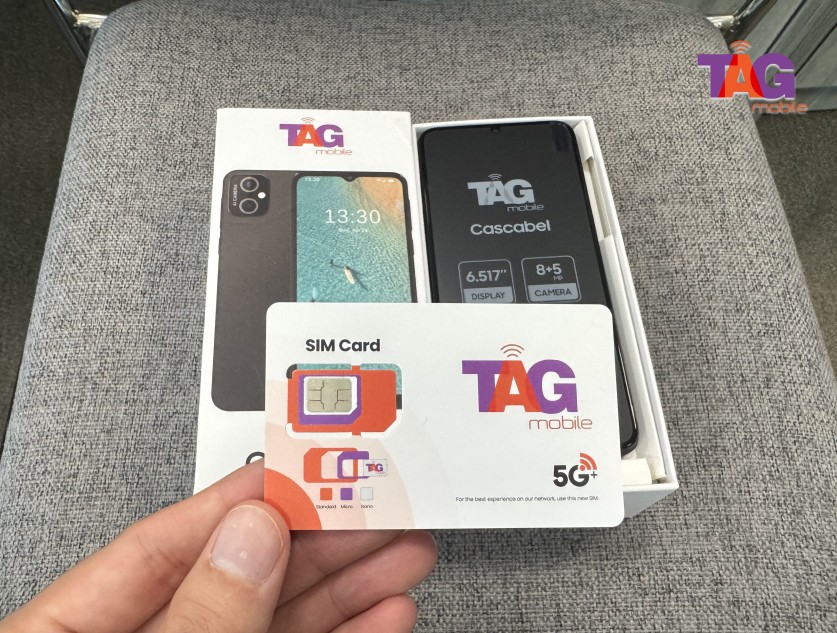
Through Lifeline carriers like TAG Mobile, SSI recipients can easily qualify for a free device and maintain essential communication.
Here’s how to claim Lifeline benefits with TAG Mobile:
Confirm that you receive SSI, which is one of the qualifying programs for the Lifeline benefit. Prepare your SSI award letter or proof of benefits in advance.
Visit tagmobile.com. Then, enter your ZIP code to check service availability in your area and view the Lifeline plans, SIM/eSIM options, and available devices.
Select a plan that fits your needs. If eligible, you can also choose a free or discounted phone, which typically comes with a SIM card or eSIM included.
Enter your personal details such as name, address, date of birth, and identification information. The system may verify your eligibility automatically.
Submit your SSI proof (such as an award letter) if required to complete eligibility verification.
Double-check all information before submitting to avoid delays in processing.
Once approved, your device and SIM card or eSIM activation details will be shipped to you, typically within 7-10 business days.
Follow the provided instructions to activate your SIM or eSIM and start using your Lifeline-supported plan.
TAG Mobile free phone and SIM card package
6. FAQs About SSI vs SSDI vs SSA
Understanding the differences between SSI, SSDI, and SSA can help you make informed decisions about which program best fits your needs. These programs are connected but serve distinct purposes, so knowing how each works is essential for maximizing your benefits.
Is SSA the same as SSI or SSDI?
No, the SSA (Social Security Administration) is the federal agency that manages both SSI and SSDI programs.
SSI and SSDI are benefit programs under the SSA, but they serve different groups: SSI is needs-based, while SSDI is based on work history and contributions. Essentially, SSA oversees the programs, while SSI and SSDI provide the actual financial support.
Which program pays more, SSI or SSDI?
SSDI generally pays more than SSI because it is calculated based on your previous work history and Social Security contributions. SSI provides a fixed payment designed to meet basic living needs for individuals with limited income and resources.
However, the exact amount you receive from SSDI depends on your earnings history, making it potentially higher than the standardized SSI benefit.
Final Words
Understanding SSI vs SSDI vs SSA helps you know which program fits your needs and how each provides support. SSA manages both programs; SSI assists those with limited income, and SSDI benefits come from work history.
Staying connected is key, and TAG Mobile offers free or discounted phones and plans for eligible recipients. With TAG Mobile, you can manage benefits, appointments, and important updates easily while maintaining essential communication.
Notice: The government does not cover device costs, only basic service through Lifeline. Any free or discounted devices, upgrades, or top-ups are limited-time TAG Mobile offers and may vary by state, eligibility, and availability. Terms and conditions apply.
Share
TAG Blog
Stories, guides, and helpful updates for staying connected.