Is Cataract Surgery Covered by Medicare? Get Expert Advice
Is cataract surgery covered by Medicare? This is one of the most asked questions among those planning treatment and managing healthcare costs. Cataracts can significantly affect da...
Quincy D.-Apr 14, 2026
Image by Unsplash
Table of Contents
Iscataract surgery covered by Medicare? This is one of the most asked questions among those planning treatment and managing healthcare costs. Cataracts can significantly affect daily life, but knowing what Medicare includes helps you prepare with confidence.
From coverage details to potential out-of-pocket expenses, each factor plays an important role in your decision. For clearer guidance and a step-by-step explanation, you can explore the detailed information provided by TAG Mobile.
1. Is Cataract Surgery Covered by Medicare?
Yes, Medicare Part B typically covers cataract surgery when it is considered medically necessary, including the removal of the clouded natural lens and its replacement with a standard artificial intraocular lens (IOL).
This coverage helps reduce the financial burden for patients experiencing vision impairment due to cataracts, although certain out-of-pocket costs may still apply depending on your plan.
Many people also wonder is cataract surgery covered by Medicare Advantage plans, and the answer is generally yes, as these plans are required to include at least the same coverage as Original Medicare, often with additional benefits depending on the provider.
2. Which Parts of Medicare Cover Cataract Surgery?
A certain part of Medicare covers cataract surgery. (Image by Unsplash)
Understanding how Medicare coverage works can help you better plan for both the procedure and any related costs. While cataract surgery is generally covered, the level of coverage depends on the specific part of Medicare and the type of services or upgrades you choose.
Medicare Part B Coverage
Medicare Part B covers cataract surgery when it is deemed medically necessary, including the removal of the cloudy lens and the implantation of a standard intraocular lens (IOL). In addition to the surgery itself, Part B also covers essential pre- and post-operative care, such as eye exams related to the condition.
Importantly, Medicare will pay for one pair of eyeglasses with standard frames (or one set of contact lenses) after each cataract surgery that includes an IOL, helping patients restore functional vision after the procedure.
What Medicare DOES NOT Fully Cover
While Medicare provides strong support for basic cataract treatment, it does not fully cover all related expenses. Patients may still need to pay for deductibles, copayments, and coinsurance under Part B.
Premium upgrades, such as advanced or multifocal lenses, laser-assisted procedures, and enhanced surgical techniques, are typically not fully covered and may require additional out-of-pocket payment.
This is why many patients ask is laser cataract surgery covered by Medicare, and the answer is that while the standard portion of the surgery is covered, the extra cost associated with laser technology is usually not included.
3. How Much Does Cataract Surgery Cost with Medicare?
After you meet the Medicare Part B deductible, the program typically covers about 80% of the approved cost for cataract surgery, while you are responsible for the remaining 20% as coinsurance.
The exact amount you pay can vary depending on factors such as the provider, location, and whether additional services or upgrades are selected. Although Medicare significantly reduces the overall expense, it’s still important to plan for these out-of-pocket costs when preparing for surgery.
Medicare and Medicaid are both government healthcare programs, but they serve different groups and follow different eligibility rules.
Medicare is primarily based on age or certain disabilities, meaning most people qualify once they turn 65, regardless of income. In contrast, Medicaid is designed for individuals with limited income and resources, so eligibility depends heavily on financial need rather than age alone.
One of the key differences is that many low-income individuals, including some seniors, can qualify for Medicaid to receive additional support that Medicare may not fully cover.
While Medicare helps pay for essential services like cataract surgery, Medicaid can assist with extra costs such as copayments or services not fully included.
In addition, Medicaid eligibility may also qualify you for the Lifeline Program, which provides free or discounted phone services, helping you stay connected while managing both your healthcare and daily needs more effectively.
5. How to Get a Free Phone or Tablet Through Lifeline With Medicaid
If you already have Medicaid, you may qualify for Lifeline benefits more easily since it is one of the approved programs. This makes it much simpler to apply for a free phone or tablet without going through income verification again.
Check your eligibility and prepare your benefit documents in advance
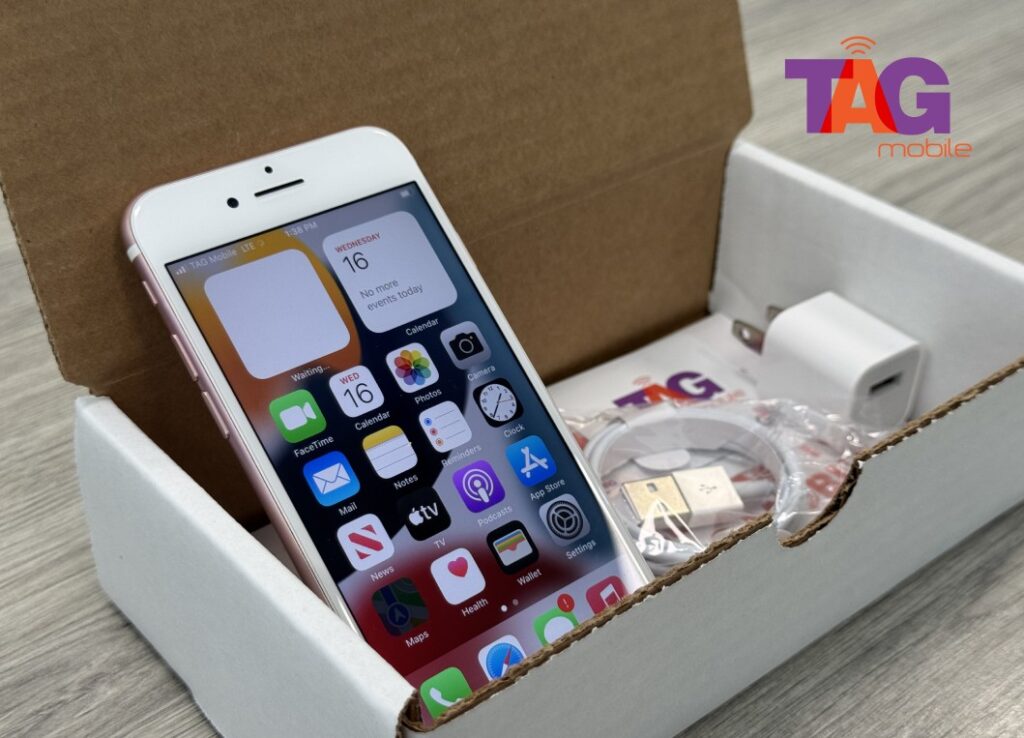
Visit the TAG Mobile website and enter your ZIP code to see available plans in your area.
This step allows you to view location-specific Lifeline plans and check which devices or options are currently offered in your region.
Select a Lifeline plan and choose a free phone or tablet option if available.
Review the plan details carefully and pick the option that best fits your needs, whether it’s a free smartphone, tablet (if offered), or a SIM/eSIM for your existing device.
Fill out the online application with your personal information, including your Medicaid details.
Provide accurate information such as your full name, address, date of birth, and the last four digits of your SSN to ensure a smooth verification process.
Upload proof of Medicaid participation (if required). You may be asked to submit supporting documents, such as a Medicaid card or official benefit letter, to confirm your eligibility.
Double-check all details before submitting to avoid delays. Once submitted, your application will be reviewed by the provider.
Once approved, your device will be shipped to your address, typically within 7-10 business days, with activation instructions included
Understanding is cataract surgery covered by Medicare can help you feel more prepared when planning for treatment and managing your healthcare costs. While Medicare covers a large portion of the procedure, knowing what is included and what you may still need to pay makes a real difference.
It’s also helpful to explore additional support options, especially if you qualify for programs like Medicaid or Lifeline. TAG Mobile can be a useful resource to stay connected while navigating your healthcare journey. Taking the time to review your options now can help you make more confident decisions later.
Note: Eligibility varies by state and program. Offers depend on availability and qualifications. TAG Mobile operates under the federal Lifeline Program as an Eligible Telecommunications Carrier (ETC). Service is non-transferable and limited to one service per household.
Share
TAG Blog
Stories, guides, and helpful updates for staying connected.