How to Transfer Medicaid to Another State: A Latest Guide 2026
Moving across state lines involves a long checklist, but your healthcare coverage should remain a top priority. Many families rely on Medicaid for life-saving services, yet the rul...
Quincy D.-Feb 22, 2026
Image by Unsplash
Table of Contents
Moving across state lines involves a long checklist, but your healthcare coverage should remain a top priority. Many families rely on Medicaid for life-saving services, yet the rules change the moment you cross the border. Understanding how to transfer Medicaid to another state is the key to maintaining your well-being during a transition.
In this 2026 guide, we explore the essential steps to ensure you stay protected and connected as you settle into your new home.
You cannot “transfer” Medicaid like a driver’s license because each state sets its own rules. To move coverage, you must close your old account and submit a new application, as dual enrollment is prohibited.
Success in 2026 relies on timing; while many states now coordinate transitions, you must personally initiate the process between both agencies.
2. When You Should Apply for Medicaid in a New State
Most states require residency for official Medicaid approval, so research weeks before moving. Since you cannot be approved in a new state until your old coverage ends, apply the moment you have a permanent address in your new location.
Coverage Gaps You Should Plan For
Administrative gaps of 15 to 90 days are common, leaving you “Medicaid Pending.” To prepare, fill all prescriptions and see doctors before leaving your current state.
Note that some 2026 state programs offer retroactive coverage for bills incurred up to three months prior to application.
Three detailed steps to apply for Medicaid in a new state. (Image by Unsplash)
You must notify your current state that you are moving to prevent “dual enrollment,” which is technically a form of benefit fraud.
When You Are Required to Report a Move
You are typically required to report a change in address or residency within 10 to 30 days of the move. Failing to do so can result in overpayment notices that you might be required to pay back later.
If you are moving for a job, you must also report any changes in income, as this will affect your eligibility in both the old and new states.
How to Notify Your State Medicaid Office
Most states allow you to cancel coverage through their online portal, via a toll-free hotline, or by visiting a local county office. When you call, request a “closing letter” or a formal notice of termination.
This document is a critical piece of the puzzle for how to transfer Medicaid to another state, as it proves you are no longer receiving benefits elsewhere.
Once you have arrived at your new home, the application process for the local program begins.
Step 1: Check Medicaid Eligibility Rules in the New State
In 2026, eligibility can vary wildly. For instance, New York may allow higher asset limits for seniors, while other states might have stricter requirements. Additionally, new federal guidelines under the One Big Beautiful Bill Act have introduced community engagement or work requirements for certain able-bodied adults aged 19-64 in specific states.
You can apply via HealthCare.gov or your state’s specific health exchange website. Digital inclusion is a major hurdle for low-income residents, but most local libraries and community centers offer free high-speed internet to help you complete these forms. Completing this application is the final active stage of how to transfer Medicaid to another state.
Step 3: Provide Required Documents
You will need to verify your new residency and financial status. Common documents include:
A lease agreement or utility bill in your name.
Recent pay stubs or a tax return.
The termination letter from your previous state’s Medicaid office.
Proof of citizenship or legal residency status.
5. How Long Does Medicaid Approval Take After Moving
On average, it takes about 45 days for a state to process a standard Medicaid application, though it can take up to 90 days if a disability determination is required. In 2026, many states have implemented automated verification systems that can reduce this time significantly for “MAGI” (income-based) applicants. If you have an urgent medical need, ask for an “expedited” review when you submit your paperwork.
6. Common Problems When Transferring Medicaid and How to Fix
Even with careful planning, issues can arise during the transition between state agencies.
Denied Application Due to Missing Documents
The most common reason for denial is simply a lack of information. If you receive a denial letter, do not panic. Most notices include an “appeal” or “reconsideration” period. You usually have 30 to 90 days to provide the missing evidence without having to start a brand-new application from scratch.
Income or Household Size Changes
Moving often coincides with new jobs or changes in who lives with you. If your new state has not expanded Medicaid, you might fall into the “coverage gap” where your income is too high for Medicaid but too low for Marketplace subsidies. In these cases, look for local Federally Qualified Health Centers (FQHCs) that offer sliding-scale fees.
Coverage Overlap or Termination Issues
If your old state takes too long to close your file, your new application might be held up. If this happens, contact the “Medicaid Representative” in your old state to resolve the administrative dispute. This ensures the technical side of how to transfer Medicaid to another state is completed properly.
7. Get a Free Phone with Medicaid Now!
Reliable communication is just as important as healthcare for maintaining digital equity. If you are eligible for Medicaid in your new state, you likely also qualify for the Lifeline Program.
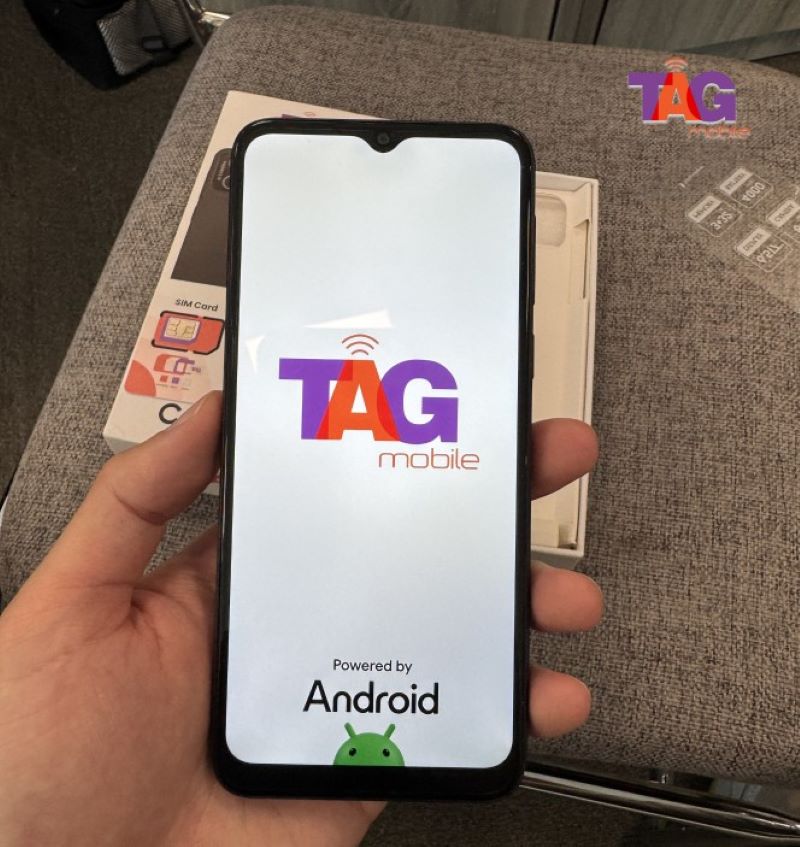
TAG Mobile offers government-supported wireless service to help low-income Americans stay connected to doctors, employers, and emergency services.
By combining your Medicaid benefits with a free smartphone and a monthly data plan, you ensure that you never miss a vital medical appointment or a call from your caseworker.
Managing your benefits between states is essential for your long-term stability and health. Although you cannot move a plan directly, knowing how to transfer Medicaid to another state ensures you remain eligible for vital support programs in 2026. Don’t let a move disconnect you from the resources you need most.
Notice: The government does not cover device costs, only basic service through Lifeline. Any free or discounted devices, upgrades, or top-ups are limited-time TAG Mobile offers and may vary by state, eligibility, and availability. Terms and conditions apply.
Share
TAG Blog
Stories, guides, and helpful updates for staying connected.