A Survival Guide about Free Phone Service for Homeless Individuals
You might feel cut off from the world without a phone. Job applications require a callback number. Doctors need to reach you. Family members worry when they cannot hear your voice...
Quincy D.-Nov 29, 2025
Table of Contents
You might feel cut off from the world without a phone. Job applications require a callback number. Doctors need to reach you. Family members worry when they cannot hear your voice. A working phone is a lifeline and not a luxury. Many people assume you cannot get service without a permanent mailing address. That is simply not true. You have options. This guide explains how to access free phone service for homeless individuals and keep that vital line of communication open.
1. Do Homeless Get Free Phones? (The Short Answer)
Yes, you can get a free phone as long as you qualify for the Lifeline program.
Lifeline is a federal assistance program created to ensure that every American has access to essential communication services, including job opportunities, healthcare, and emergency help. Your housing status does not prevent you from applying; what matters is whether you meet the program’s income requirements or participate in qualifying public assistance programs.
Most homeless individuals qualify through benefits such as Food Stamps (SNAP), Medicaid, Supplemental Security Income (SSI), or certain Veterans’ Pension programs. You can also qualify based on income alone if your household earnings fall below the federal guideline. Once approved, the government provides a monthly subsidy to participating phone companies, allowing you to receive free service and, in many cases, a free phone, without paying a monthly bill. This program helps millions stay connected to vital resources every day.
Lifeline is a federally funded program that began in 1985 and remains one of the main ways to get free phone service for homeless
2. How to Apply Without a Permanent Address
Applying for Lifeline without a stable place to live can feel complicated, especially since most forms ask for a street address, but the system already includes options designed for people in your situation.
One of the simplest solutions is to use the address of a shelter or support center. Many shelters allow clients to use their facility as a mailing address for official documents, so it’s a good idea to check with the staff first. If approved, any letters or devices sent by your provider will arrive at the shelter, and you can pick them up there.
If you don’t stay in a shelter, you can still apply by using a descriptive address, a method recognized by the Universal Service Administrative Company (USAC). This means you describe the exact outdoor location where you sleep, such as the corner of two streets, a specific park area, or another consistent spot – something like “northwest corner of 5th and Main” is enough to establish your service location and confirm that you live within the state. While a descriptive address works for proving residency, you will still need a reliable mailing address for the delivery of your phone or documents, which can often be a PO Box, a friend’s address, or a trusted community organization.
3. Top “Homeless-Friendly” Free Phone Providers
Choosing the right Lifeline provider can make a big difference, especially if you’re applying without a permanent address.
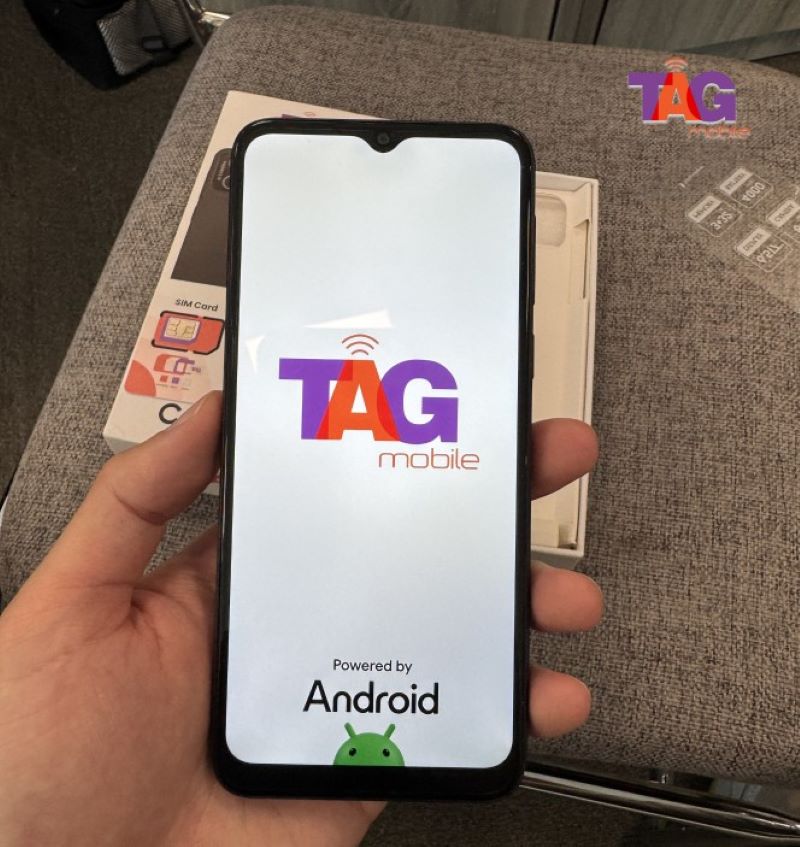
TAG Mobile is often considered a strong option because it has extensive experience working with individuals facing housing instability. Their customer support teams are familiar with more complex applications and are generally good at guiding applicants through the verification steps, which can make the process much less stressful.
Other reputable Lifeline providers, including AirTalk Wireless and Cintex Wireless, offer similar services and may also be available in your area, depending on your state. Among all, many users appreciate TAG Mobile’s straightforward approach and emphasis on keeping the enrollment steps simple.
Whichever provider you choose, reliable network coverage is essential. You want a phone that works consistently as you move around the city, so checking coverage maps and available plans can help you pick the option that best supports your daily needs.
TAG Mobile also provides a free/discounted phone, besides the free phone service for homeless individuals.
To get free phone service for homeless under Lifeline, you must prove you are eligible first. This involves confirming your identity and proving either your income level or your participation in a qualifying assistance program.
4.1. Proving Identity Without a Driver’s License
Lifeline requires applicants to verify their identity, but a driver’s license isn’t the only way to do this.
If you don’t have one, you can use a U.S. passport, a state-issued non-driver ID card, or a combination of documents such as a birth certificate paired with a photo ID. In some cases, government assistance cards that include your photo may also be accepted. The goal is simply to confirm your identity and date of birth, and obtaining a valid ID can help you access a wide range of services beyond Lifeline.
4.2. Proving Status
Once your identity is verified, you must show that you qualify based on income or participation in certain public assistance programs. An award letter from SNAP, a Medicaid approval document, or a screenshot showing your active benefits status can all serve as acceptable proof.
If you’re qualifying through income, you can use a recent tax return or three consecutive pay stubs, as long as the documents fall within the required timeframe, typically within the last three to twelve months. Make sure the name on these documents matches your ID exactly, as even small discrepancies can slow down your application.
5. Non-Government Alternatives
If you need a phone right away, federal programs may not move quickly enough, and that’s where local community resources can step in. Many cities and towns offer short-term solutions that help you stay connected while your Lifeline application is being processed.
5.1. Local Shelter Programs
Start by checking with nearby shelters, as many receive donated phones or have partnerships with charities that provide temporary devices for job interviews or urgent communication needs. Some shelters also offer shared voicemail services, where you’re assigned a dedicated voicemail number that employers or caseworkers can use to reach you. This allows you to access messages from any public phone and gives you a reliable point of contact during your job search or application process.
5.2. 211 and Community Action Agencies
Another helpful option is dialing 2-1-1, which connects you with trained community resource specialists who can tell you which local organizations offer free or low-cost phones, assist with ID replacement fees, or provide other immediate support.
Community Action Agencies are also valuable resources; many have programs specifically designed to help people stabilize their situation, whether by offering transportation support, emergency funds, or help accessing communication tools. These local services can bridge the gap and ensure you stay connected while waiting for longer-term assistance.
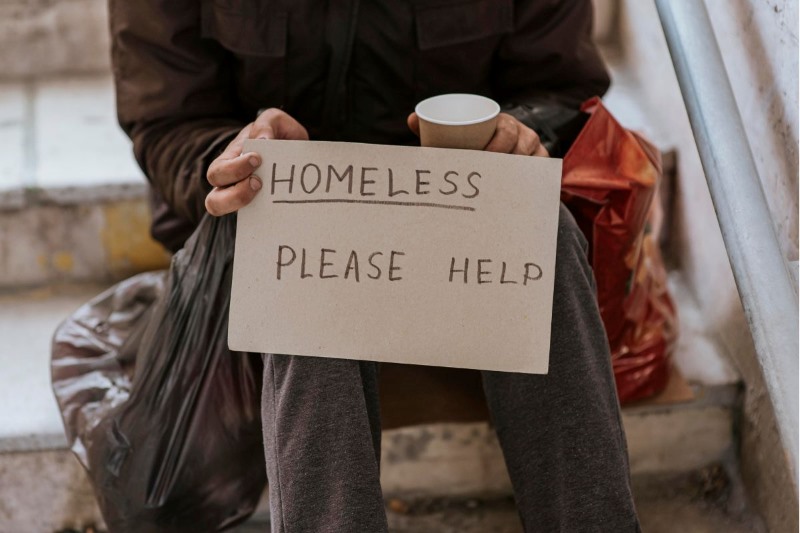
There are some alternatives to get a free phone service for homeless. (Image by Freepik)
6. Steps to Claim Free Phone Service for Homeless Individuals under Lifeline Program
Getting connected through the Lifeline program is straightforward if you follow a few key steps.
Step 1: Gather Your Documents
Make sure you have valid identification and proof of participation in a qualifying assistance program, such as SNAP or Medicaid, and ensure these documents are current.
Step 2: Determine Your Service Address
If you’re staying in a shelter, confirm with staff that you can use their address for your application. If you don’t have a permanent location, you can use a descriptive address to indicate where you sleep each night, which is accepted for Lifeline verification purposes.
Step 3: Choose a Provider
Consider factors such as network coverage, plan features, and ease of enrollment. Reviewing the Lifeline program details can help you understand the benefits offered by each provider. Some providers, like TAG Mobile, also include a free phone in addition to monthly service.
Once you’ve selected a provider, follow their process and submit your application for approval. Applications can usually be completed online, but some areas also offer in-person enrollment at local centers or special events.
After submitting, wait for approval. The National Verifier system and provider review your information, which typically happens quickly if all documentation is in order.
Step 5: Receive and Activate Your Service
Once approved, follow your provider’s instructions to activate your service. If your plan includes a free phone, it will be delivered to your registered mailing address. At this point, you’re ready to stay connected to vital services, job opportunities, and emergency contacts.
Notice: The government does not cover device costs, only basic service through Lifeline. Any free or discounted devices, upgrades, or top-ups are limited-time TAG Mobile offers and may vary by state, eligibility, and availability. Terms and conditions apply.
Final Words
Living without a home is incredibly challenging, and every day brings new obstacles. Having a phone can make a real difference: it connects you to potential landlords, allows you to call 911 in an emergency, and provides a link to friends, family, or supportive voices when you need them most.
Don’t let the lack of a permanent address hold you back. Lifeline and providers like TAG Mobile are designed to include people in your situation, giving you access to free phone service for homeless individuals and helping you stay connected to essential resources.
Share
TAG Blog
Stories, guides, and helpful updates for staying connected.