Does Medicare Cover Knee Replacement in 2026? Costs, Coverage & Limits Explained
Knee pain can significantly impact mobility and quality of life, especially for older adults dealing with joint conditions or injuries. Many people ask does Medicare cover knee rep...
Quincy D.-Apr 17, 2026
Image by Unsplash
Table of Contents
Knee pain can significantly impact mobility and quality of life, especially for older adults dealing with joint conditions or injuries. Many people ask does Medicare cover knee replacement when considering treatment options and long-term care costs.
Knowledge about Medicare will assist you in planning for future expenses and making informed decisions regarding your care. If you require a more comprehensive explanation about the services covered under Medicare, you could consult the resources provided by TAG Mobile.
1. What Is Knee Replacement Surgery?
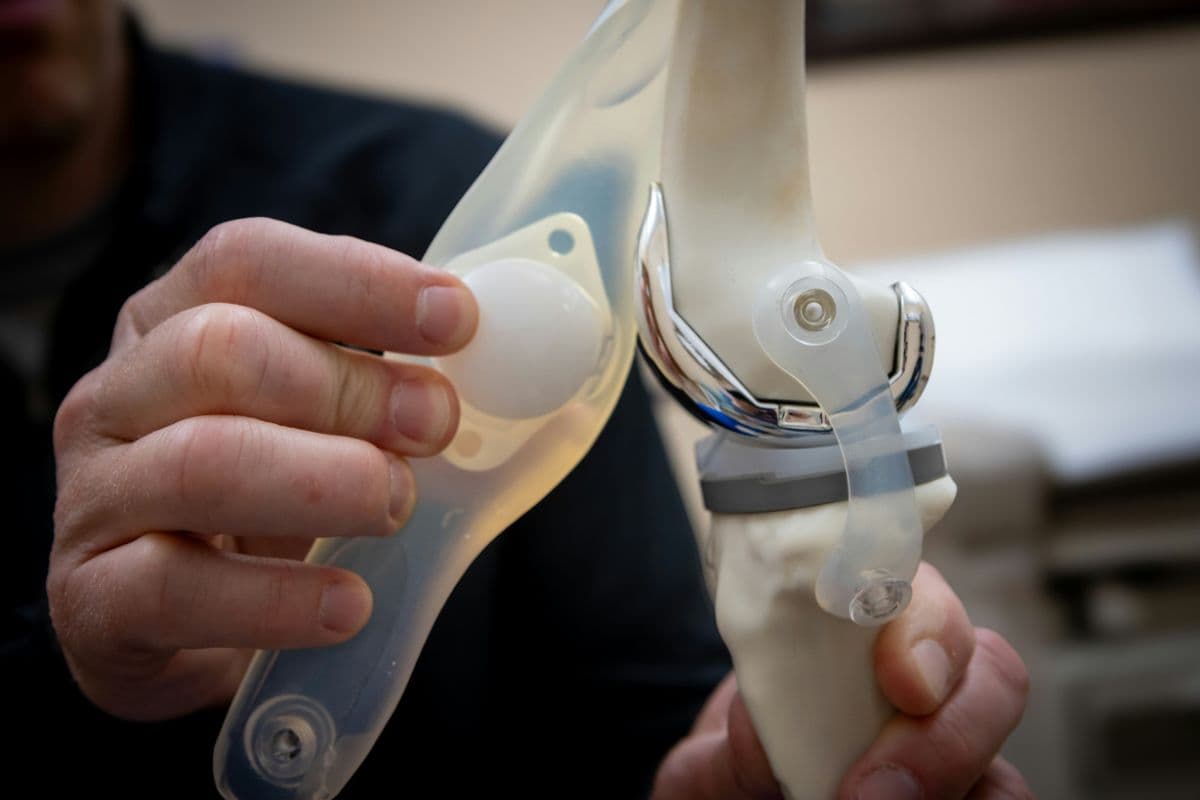
Knee replacement surgery, also known as knee arthroplasty, is a procedure used to replace damaged or worn parts of the knee joint with artificial components made of metal and plastic. It is typically recommended for patients with severe joint damage caused by arthritis or injury.
The goal of the surgery is to relieve pain, improve mobility, and restore normal function. During the procedure, damaged bone and cartilage are removed and replaced with prosthetic parts to help the knee move more smoothly.
The definition of knee replacement surgery. (Image by Pexels)
2. Does Medicare Cover Knee Replacement?
Medicare covers knee replacement when a doctor confirms it is medically necessary to treat severe pain or serious joint problems that affect daily movement. Coverage usually includes hospital care, surgeon services, and follow-up treatment under Part A and Part B.
After you meet the deductible, Medicare Part B typically pays about 80 percent of the approved cost, while you handle the remaining portion. If you are wondering does Medicare cover knee replacement surgery, the answer is yes in most medically necessary cases with standard cost sharing.
3. When Does Medicare Cover Knee Replacement?
Understanding when Medicare will actually pay for a knee replacement can help you avoid unexpected costs and plan your treatment with confidence.
Coverage depends on how the surgery is performed and which part of Medicare applies, but both inpatient and outpatient cases are typically included when medically necessary.
What Medicare Part A Covers (Hospital Stay)
Medicare Part A applies when your knee replacement is performed as an inpatient procedure, meaning you are formally admitted to a hospital. It typically covers your hospital room, meals, nursing care, and necessary supplies used during surgery. Post-operative services such as lab tests, imaging, and medications given during your stay are also included.
In some does Medicare cover knee replacement cases, Part A may extend to short-term skilled nursing facility care for rehabilitation after discharge, as long as eligibility conditions are met. Coverage is granted when the procedure is medically necessary and properly documented by your doctor.
What Medicare Part B Covers (Outpatient Care)
Medicare Part B covers knee replacement when it is performed on an outpatient basis or involves medical services outside a hospital stay. This includes surgeon and anesthesiologist fees, pre-surgery evaluations, and follow-up doctor visits.
It also pays for outpatient physical therapy, rehabilitation, and durable medical equipment like walkers or braces needed during recovery. Typically, Medicare covers about 80% of approved costs after the deductible.
If you’re asking whether Medicare covers robotic knee replacement, the answer is generally yes under Part B as long as it is medically necessary. Medicare Advantage plans also cover knee replacement, but the specific details may vary by plan.
Many people also ask does Medicare cover knee replacement, and understanding the answer early can help you prepare financially and avoid unexpected expenses.
Planning ahead can make a significant difference in how much you pay for knee replacement, especially when navigating Medicare coverage and out-of-pocket costs.
With the right strategies, you can reduce expenses while still receiving high-quality care and recovery support.
Choose a Medicare-approved provider to ensure the procedure and related services are covered under standard rates
Confirm coverage details in advance, including whether your case qualifies under inpatient or outpatient rules, and does Medicare cover total knee replacement in your specific situation
Consider a Medicare Supplement (Medigap) plan to help pay for coinsurance, deductibles, and other remaining costs
Compare Medicare Advantage plans, as some may offer additional benefits or lower out-of-pocket limits depending on your location
Use in-network hospitals and specialists to avoid higher fees and unexpected billing charges
Ask about bundled payment programs, which can combine surgery, hospital care, and rehab into one cost-effective package
Plan your rehabilitation carefully by choosing covered physical therapy services and using recommended equipment to avoid unnecessary expenses
5. Medicare vs Medicaid: The Most Common Misunderstanding
Medicare and Medicaid are often confused, but they serve different purposes and groups. Medicare is a federal health insurance program mainly for people aged 65 and older or those with certain disabilities.
When comparing these programs, questions like does Medicare cover knee replacement often come up, especially since coverage details can directly affect treatment choices and overall costs.
While Medicaid is a need-based program designed for individuals and families with limited income, offering broader support that can include extra benefits beyond basic healthcare.
One key advantage of Medicaid is that it can also help you qualify for the Lifeline program, which provides discounted or free phone services and devices through some Lifeline providers like TAG Mobile.
If you are enrolled in Medicaid, you may be eligible to receive a free smartphone along with monthly service benefits. Here’s how to apply for a free device at TAG Mobile using Medicaid:
Check your eligibility by confirming that you are currently enrolled in Medicaid, and prepare proof such as an approval letter or benefits card
Visit the official TAG Mobile website and enter your ZIP code to view available Lifeline plans in your area
Select a plan that includes a free phone option and review the device choices currently in stock
Complete the application form by entering your personal information exactly as it appears on your documents
Upload proof of program participation if required
Submit your application and wait for approval, which usually takes a few business days
Once approved, your free device will be shipped to your address with instructions for activation within 7 to 14 business days
Where can I get a free phone or tablet? TAG Mobile is the answer.
Note: Eligibility varies by state and program. Offers depend on availability and qualifications. TAG Mobile operates under the federal Lifeline Program as an Eligible Telecommunications Carrier (ETC). Service is non-transferable and limited to one service per household.
6. Final Words
Understanding does Medicare cover knee replacement can help you plan your treatment with confidence and avoid unexpected expenses along the way. While Medicare typically covers medically necessary procedures, your out-of-pocket costs will depend on the type of coverage you have and how your care is structured.
If you are also looking for ways to stay connected during your healthcare journey, programs like Lifeline offer valuable support. With TAG Mobile, eligible users can access free devices and essential services, making everyday communication easier and more affordable.
Share
TAG Blog
Stories, guides, and helpful updates for staying connected.