Does Canes Take EBT? SNAP Rules for Combo Meal Restaurants
Combo meal restaurants can create confusion for SNAP users because prepared foods, state rules, and payment eligibility do not always follow the same pattern as grocery shopping. T...
Quincy D.-Jul 01, 2026
Image by Unsplash
Table of Contents
Combo meal restaurants can create confusion for SNAP users because prepared foods, state rules, and payment eligibility do not always follow the same pattern as grocery shopping.
This guide introduces the key details behind does Canes take EBT, including restaurant meal limits, RMP considerations, payment expectations, and what customers should review before ordering.
1. Does Cane’s Take EBT?
Raising Cane’s does not accept EBT as a standard payment method because SNAP benefits are mainly designed for eligible groceries. Since the chain sells hot, ready-to-eat chicken meals, its regular menu does not qualify under standard SNAP rules.
This means customers should not expect to use SNAP EBT for combo meals, chicken fingers, fries, toast, or drinks at most locations. Cash, debit, credit, gift cards, or other accepted non-EBT payments are usually needed when ordering from Cane’s.
2. Fast Food Alternatives That May Accept SNAP Benefits
Restaurant EBT options are limited, but some fast-food chains may participate in the Restaurant Meals Program at select approved locations. For shoppers comparing does Canes take EBT, it helps to know which other brands may offer more possibilities in participating states.
Burger King: Some approved Burger King locations may accept EBT through the Restaurant Meals Program, but only for eligible SNAP users in participating states.
McDonald’s: Certain McDonald’s restaurants may accept EBT under RMP, depending on state rules, local authorization, and franchise participation.
Subway: Select Subway locations may participate in RMP, making it one of the more commonly mentioned fast-food options for eligible SNAP users.
Carl’s Jr: Some Carl’s Jr locations may accept EBT where RMP is active, especially in areas with approved restaurant lists.
Del Taco: Del Taco may accept EBT at select approved locations, but customers should confirm participation before ordering.
Jack in the Box: Certain locations may be authorized through RMP, though availability depends on the state and the individual restaurant.
some fast-food chains may participate in the Restaurant Meals Program at select approved locations. (Image by Unsplash)
Fast food can feel helpful on busy days, but SNAP users still need to think about how each purchase fits into a larger monthly food plan. Convenience matters, yet grocery-based meals often stretch benefits further when the goal is feeding a household beyond one order.
One Meal vs Multiple Meals
Fast-food orders usually cover one immediate meal, while grocery purchases can support several meals across the week. When comparing does Canes accept EBT, SNAP users should also consider whether the same amount could buy chicken, rice, vegetables, bread, or pantry staples for multiple servings at home.
Understanding Cost Per Serving
Cost per serving helps shoppers see the real value behind each food choice. One restaurant combo may seem affordable at checkout, but a family-size grocery purchase can often create more portions.
Comparing price, quantity, and leftovers makes it easier to decide when convenience is worth the extra cost.
Balancing Convenience and Grocery Shopping
Convenience can still have a place in a realistic food budget, especially for seniors, disabled customers, people without stable housing, or busy families. The key is not relying on fast food for every meal.
Planning groceries first, then using approved restaurant options only when needed, can keep monthly benefits steadier.
Making Monthly Benefits Go Further
Monthly SNAP benefits often last longer when shoppers build meals around flexible ingredients. Proteins, frozen vegetables, pasta, rice, beans, eggs, and bread can turn into several lunches or dinners.
Keeping quick groceries at home can reduce last-minute restaurant spending and make benefit planning less stressful.
4. Additional Ways Eligible Households Reduce Costs: The Lifeline Program
When a quick Cane’s meal does not fit regular SNAP rules, households can still look for other programs that ease monthly costs. For SNAP users, that same benefit participation may also make them eligible for Lifeline, which can reduce phone or internet service expenses.
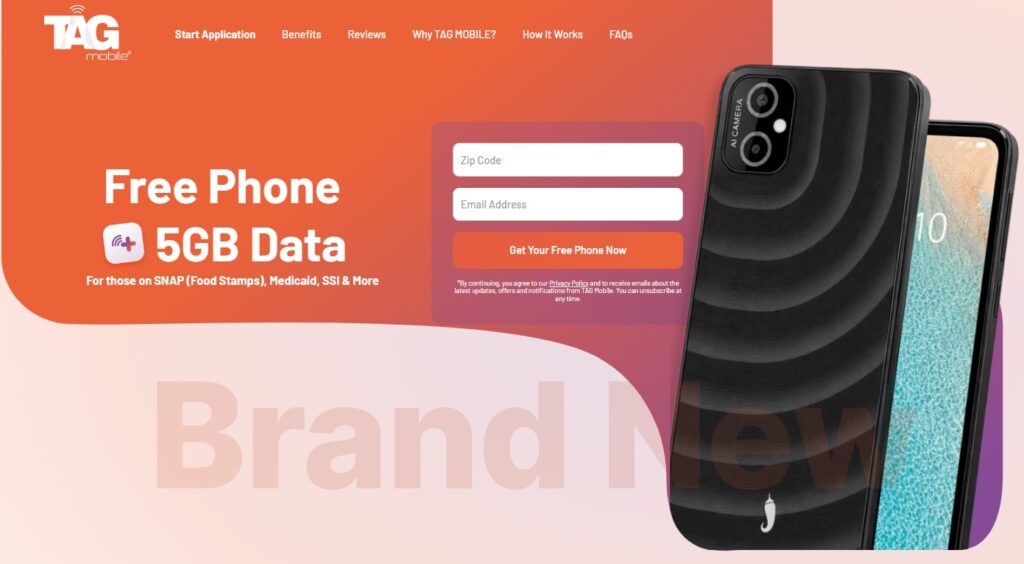
TAG Mobile participates in the Lifeline Program as an Eligible Telecommunications Carrier, helping approved applicants connect to affordable wireless service. Lifeline helps reduce monthly communication expenses.
Available devices often include communication features for calling, text messaging, internet access, benefit updates, online forms, maps, and everyday family contact.
For households checking food rules, nearby options, and monthly expenses, mobile service can make everyday planning easier. Depending on eligibility, location, and current plan availability, TAG Mobile plans may include:
Unlimited Talk & Text: Keep in contact with family, schools, employers, healthcare offices, and benefit agencies.
Monthly Data: Review SNAP accounts, search nearby stores, compare food options, use maps, and complete online forms.
Nationwide 5G+ Coverage: Stay connected across supported service areas while commuting, shopping, or handling errands.
Wi-Fi Calling: Make calls through Wi-Fi when cellular signal is limited indoors.
911 Access: Reach emergency services when needed, subject to standard network, device, and location limitations.
Caller ID, Call Waiting, 3-Way Calling & Voicemail: Manage important calls from work, doctors, schools, and support offices.
International Calling To 200+ Countries: Contact loved ones abroad, where supported by the plan.
Roaming in 70+ Countries: Use service in supported destinations, with possible charges depending on the plan.
SIM Kit or eSIM: Choose an activation option that fits your compatible device when available.
Free Shipping & Customer Support: Get help with delivery, setup, activation, and account questions.
Note: Eligibility varies by state and program. Offers depend on availability and qualifications. TAG Mobile operates under the federal Lifeline Program as an Eligible Telecommunications Carrier (ETC). Service is non-transferable and limited to one service per household.
5. FAQs About Raising Cane’s and EBT
Payment rules at Cane’s can be confusing because drive-thru, online, and app orders all feel different from paying inside the store. These quick answers clarify where EBT usually does not apply and what customers should prepare before ordering.
Can I use EBT at the Cane’s drive-thru?
No, EBT is generally not accepted at the Cane’s drive-thru because Raising Cane’s sells hot, prepared meals. Since regular SNAP benefits are meant for eligible groceries, customers should use cash, debit, credit, gift cards, or another accepted payment method.
Does Cane’s accept EBT for online orders?
Cane’s does not typically accept EBT for online orders. When people search does Canes take EBT, the same SNAP rule applies online: hot combo meals, chicken fingers, fries, toast, and drinks are not eligible under standard EBT rules.
Can I use EBT in the Raising Cane’s mobile app?
No, the Raising Cane’s mobile app does not usually support EBT payments. App orders are still for prepared restaurant meals, so customers should expect to pay with a regular digital payment method, debit card, credit card, or other accepted non-EBT option.
6. Final Words
Quick chicken meals may be convenient, but regular SNAP rules usually do not cover hot, ready-to-eat orders from Cane’s. Knowing does Canes take EBT helps customers understand why drive-thru, online, and app payments generally require cash, debit, credit, or another non-EBT method.
Households using SNAP may still qualify for other savings beyond food. With TAG Mobile, eligible users can explore available devices and communication benefits that support benefit updates, store searches, online forms, and everyday connections.
Share
TAG Blog
Stories, guides, and helpful updates for staying connected.