

What is eSIM? Fast Facts About the Future of Mobile
If you’ve recently upgraded your phone or switched carriers, you might be wondering what is eSIM and why so many devices now support it. An eSIM is a built-in digital SIM that lets you activate cellular service without inserting a physical card. It allows users to download carrier plans directly to their device, making setup faster and more flexible.
To understand compatibility, activation steps, and how to get affordable eSIM service, refer to the detailed guide and helpful resources available from TAG Mobile to learn more.
1. What Is eSIM? (Simple Explanation)
An eSIM (embedded SIM) is a digital version of the traditional SIM card built directly into your device’s hardware. Instead of inserting a physical plastic card to connect to a mobile network, an eSIM lets you download and activate a cellular plan directly on your phone, tablet, or wearable through software. This modern approach removes the need for a removable SIM tray and simplifies how you connect to carriers.
With eSIM, you can store multiple carrier profiles on one device and switch between them digitally, making it easier to change plans, manage personal and work numbers, or use a local data plan while traveling abroad. Because the SIM is embedded, it also frees up internal space in the device for other components and improves water resistance. Overall, eSIM technology offers greater flexibility, convenience, and simplicity compared to traditional SIM cards.
2. How Does an eSIM Work? Pros and Cons of eSIM

To fully understand the pros and cons of eSIM, it is important to first clarify what is eSIM and how it functions. An eSIM (embedded SIM) is a digital SIM built directly into your device, allowing you to activate a carrier plan without inserting a Physical SIM card.
Once installed, the eSIM securely connects your device to your carrier’s network, just like a traditional SIM would. The key difference is that everything is managed digitally, giving users more flexibility in storing and switching between multiple carrier profiles.
Pros of eSIM
There are several advantages that make eSIM attractive for modern smartphone users. These benefits are especially noticeable for people who frequently switch carriers, travel internationally, or manage multiple phone numbers.
- Users can activate a plan in minutes by downloading it directly to their device. There is no need to wait for shipping or physically insert a SIM card.
- An eSIM allows you to store multiple plans on one device. This makes it easier to manage work and personal numbers or switch between domestic and international plans.
- Travelers can download a local data plan before or after arriving at their destination. This eliminates the need to search for and install a foreign SIM card.
- Without a SIM tray, devices may offer better water and dust resistance. The internal space saved can also support improved hardware design.
Cons of eSIM
Despite its benefits, eSIM does have a few limitations that users should consider. These drawbacks mainly relate to compatibility, carrier support, and device transfers.
- Not all devices support eSIM technology. Many older smartphones still rely solely on Physical SIM cards.
- Some carriers or regions may not fully support eSIM activation. Availability can depend on the network provider and country.
- Transferring an eSIM to a new device can require additional steps or carrier assistance. In contrast, a Physical SIM can simply be removed and inserted into another phone.
3. Benefits Of eSIM For Digital Users
As smartphones continue to evolve, more users are asking what is eSIM and why it is becoming so common in modern devices. For digital users who value speed, flexibility, and convenience, eSIM technology offers several meaningful advantages over traditional SIM cards.
Instant Digital Activation
One of the biggest benefits of eSIM is fast, fully digital activation. Instead of waiting for a SIM card to be shipped or visiting a store, users can download a carrier plan directly to their device. With just a QR code or carrier app, service can often be activated within minutes.
Multiple Carrier Profiles in One Phone
eSIM allows you to store multiple carrier profiles on a single device. This means you can keep separate work and personal numbers, or switch between domestic and international plans without physically changing SIM cards. Managing lines becomes a simple settings adjustment instead of a hardware swap.
Seamless Travel Experience
For travelers, eSIM makes staying connected much easier. Instead of buying and inserting a local SIM card at the airport, you can download a regional data plan ahead of time. This ensures you have service immediately upon arrival, saving both time and effort.
More Flexible Carrier Switching
Because eSIM is software-based, changing carriers becomes much simpler. Users can compare plans and switch providers without removing or replacing a card. This flexibility is ideal for people who frequently change plans or look for better pricing.
Improved Device Durability and Design
Without a physical SIM tray, devices can be designed with fewer openings. This can help improve water resistance and free up internal space for other components, such as larger batteries or upgraded hardware.
Reduced Risk of Physical Damage or Loss
Traditional SIM cards are small and easy to lose or damage. eSIM eliminates that risk entirely because there is no removable piece involved. Everything is securely stored inside the device, making it a cleaner and more reliable long-term solution.
>>> Read More: Free Government Phone eSIM: 2026 Guide to Instant Activation
4. Which Phones Support eSIM?
As mobile technology continues to evolve, eSIM support is becoming standard in many newer smartphones. This is especially helpful for users who qualify for government-supported connectivity programs like Lifeline, since digital activation makes it easier to start service quickly without waiting for a physical SIM card to arrive.
Today, many newer iPhones support eSIM, including models from the iPhone XS series and later. In fact, several recent U.S. iPhone models are eSIM-only, meaning they no longer include a physical SIM tray. On the Android side, most modern devices, such as newer Google Pixel and Samsung Galaxy models, support both a physical SIM and eSIM, giving users the flexibility to choose either option.
If you are applying through a Lifeline provider like TAG Mobile, you may be able to activate service digitally on a compatible device.
To make sure your phone supports eSIM before switching, you can use the eSIM compatibility tool available at https://tagmobile.com/esim to check your device and follow the activation steps confidently.
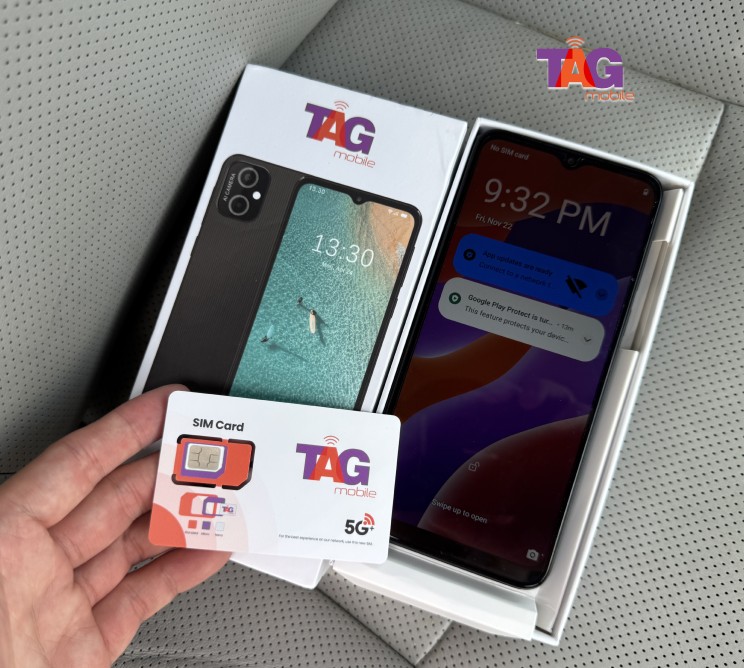
Read more: eSIM vs Physical SIM: The Ultimate Comparison Guide 2026
5. Final Words
Now that you understand what is eSIM, it becomes clear why so many modern smartphones are moving toward this digital technology. eSIM simplifies activation, removes the need for a physical card, and makes switching carriers or adding a second line much more convenient. It is especially useful for travelers, remote workers, and anyone who values flexibility. As wireless service continues to evolve, having an eSIM-ready device can make staying connected easier than ever. To check compatibility and explore affordable eSIM plans, visit TAG Mobile and find the option that fits your needs.
Notice: The government does not cover device costs, only basic service through Lifeline. Any free or discounted devices, upgrades, or top-ups are limited-time TAG Mobile offers and may vary by state, eligibility, and availability. Terms and conditions apply.
- Share This:
-

-

-

-

-

About the author
