

Does Medicaid Cover Dental Implants? The Truth About Dental Coverage
Does Medicaid cover dental implants? In most states, the answer is no because implants are considered elective for adults. However, limited coverage may apply when implants are medically necessary due to trauma, serious disease, or cancer-related treatment, depending on state Medicaid rules.
1. Does Medicaid Cover Dental Implants?
Will Medicaid pay for dental implants? In most cases, Medicaid does not cover dental implants, especially for adults. The main reason is that dental implants are usually considered elective or cosmetic procedures, rather than medically necessary treatments.
That said, coverage can vary widely by state. In rare situations, Medicaid may approve dental implants if they are considered medically necessary, such as when tooth loss results from severe trauma, advanced disease, or cancer treatment. Even then, approval typically requires extensive documentation and prior authorization from the state Medicaid program.
>>> Read More: Was Medicare Ever Free – Discover How Coverage Changed
2. When Medicaid May Cover Dental Implants
Although coverage is limited, there are specific situations where the answer to does Medicaid cover dental implants may be yes. In these cases, implants must be considered medically necessary, not cosmetic, and approval depends heavily on state Medicaid rules.
Medicaid may cover dental implants in cases of severe trauma, such as car accidents or major facial injuries, when tooth loss requires reconstructive treatment to restore basic oral function rather than appearance. In these situations, implants can be considered medically necessary, but approval usually requires prior authorization and detailed medical documentation.
In rare circumstances, Medicaid may also approve dental implants for tooth loss caused by serious disease, infection, or cancer-related treatment. This can include advanced infections or oral and jaw cancers where implants are essential for eating, speaking, or maintaining jaw structure.
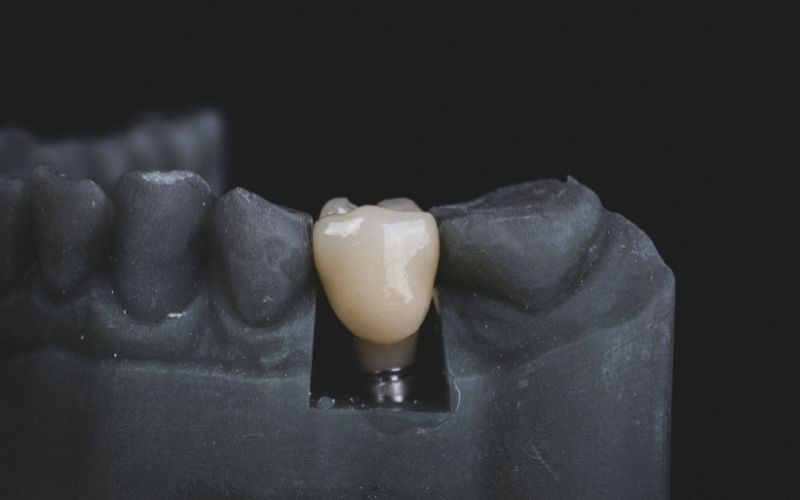
If you’re considering dental implants but do not qualify under Medicaid rules, there are still alternative ways to manage costs and maintain oral health.
Dental Insurance
Many private dental insurance plans cover part of the cost of dental implants, especially when they are medically necessary. Coverage may include components like crowns or abutments, though waiting periods often apply.
Dental Payment Plans
Many dental clinics offer financing or monthly payment plans that allow patients to spread the cost of dental implants over time. This option can make implants more affordable without needing a full upfront payment.
Discount Dental Plans
Discount dental plans provide reduced rates on dental services, including implants, in exchange for an annual membership fee. While they do not fully cover implant costs, they can significantly lower overall expenses.
3. Can Medicaid Help You Get a Free Phone?
While many people focus on healthcare questions like does Medicaid cover dental implants, they often overlook other benefits connected to Medicaid eligibility. One important example is access to affordable phone (also known as free phone with Medicaid) service through the Lifeline program.
Overview of Lifeline Program
Lifeline is a federal assistance program designed to lower the monthly cost of phone or internet service for eligible households. It does not provide phones or devices directly. Enrollment in Medicaid can serve as one way to meet Lifeline eligibility requirements, though approval is still subject to verification.
Notice: The government does not cover device costs, only basic service through Lifeline. Any free or discounted devices, upgrades, or top-ups are limited-time TAG Mobile offers and may vary by state, eligibility, and availability. Terms and conditions apply.
What Phones Are Available In TAG Mobile?
Eligible individuals apply for Lifeline-supported service through participating providers. One such provider is TAG Mobile, which delivers the service and may also offer complimentary or discounted smartphones, depending on availability, eligibility, and state rules.
This benefit can help reduce monthly expenses and ensure reliable communication for medical appointments, emergencies, and daily needs.
| Phone models | TAG Mobile price* | Retail price |
| FOXXD A67L | FREE | $120.00 |
| iPhone XR | From $101.40 | $158.00 |
| iPhone 7 Plus | From $49.99 | $120.00 |
| Galaxy A71 5G | From $81.99 | $249.99 |
| Galaxy A14 5G | From $73.99 | $100.00 |
| A67U | From $14.99 | $120.00 |
| Galaxy A51 | From $34.99 | $130.00 |
| iPhone 8 | From $54.99 | $230.00 |
| Galaxy A42 5G | From $44.99 | $149.00 |
| Galaxy S10e | From $19.99 | $224.99 |
| iPhone 7 | From $44.99 | $99.99 |
| iPhone 11 | From $173.99 | $228.85 |
| iPhone 13 | From $289.99 | $340.00 |
| Galaxy A13 5G | From $59.99 | $99.00 |
| iPhone 12 Pro Max | From $309.99 | $370.00 |
| iPhone 11 Pro Max | From $239.99 | $304.75 |
*Prices may vary depending on availability, location, and time of application.

4. Final Words
So, does Medicaid cover dental implants? In most cases, coverage is limited and depends on medical necessity and state-specific rules. While implants are rarely covered, Medicaid still offers valuable benefits beyond dental care. If you’re enrolled in Medicaid, you may qualify for a free phone through Lifeline. Apply with TAG Mobile today to stay connected and supported.
- Share This:
-

-

-

-

-


About the author
