

How to Freeze Bananas without Turning Brown and Make Them Recipe-Ready
Overripe bananas can still be useful long after their skins begin to turn brown. A few simple steps for how to freeze bananas can keep the fruit ready for smoothies, baking, oatmeal, and quick frozen snacks.
Proper peeling, portioning, and storage also help prevent freezer burn and keep banana pieces from freezing into one large clump.
1. Can You Freeze Bananas?
Yes. Bananas freeze very well and remain useful for a wide range of recipes after thawing or blending from frozen.
Freezing a practical way to save ripe fruit before it spoils. For bananas, they work especially well in:
- Smoothies
- Banana bread
- Muffins
- Pancakes
- Oatmeal
- Desserts
- Frozen treats
2. When Is a Banana Ripe Enough to Freeze?
Bananas freeze best when their natural sugars and flavor have fully developed, but the ideal stage depends on how you plan to use them later. Pick the right ripeness before freezing and you’ll get sweeter, better-textured results in smoothies, baking, and desserts.
Ripeness Stages and Freezing Readiness
Color gives a quick clue about whether a banana is ready for the freezer. When deciding how to freeze bananas, aim for fruit that is ripe enough to taste sweet but still free from mold, fermented odors, or other signs of spoilage.
Yellow
Fully yellow bananas are edible but not always ideal for freezing because their flavor is milder and starchier. They can still be frozen, especially for smoothies, but sweeter recipes usually benefit from riper fruit.
Spotted
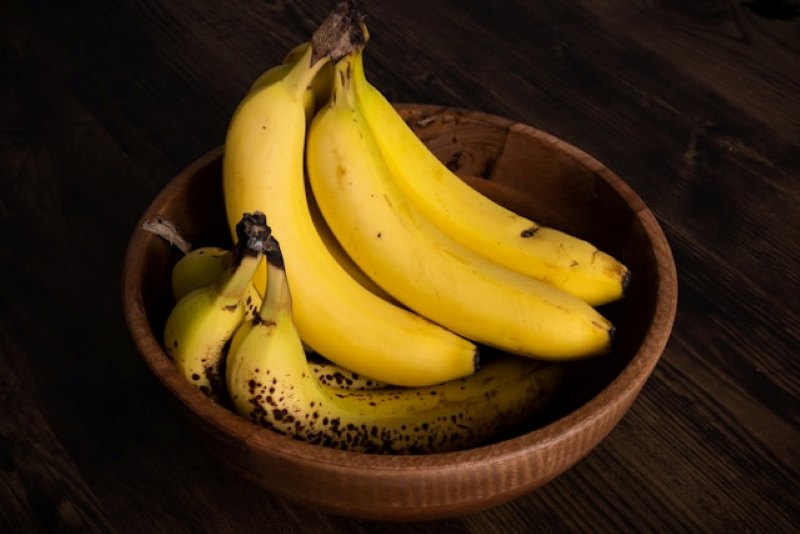
Bananas with scattered brown spots are a good freezing choice. At this stage, much of the starch has converted into sugar, giving the fruit a sweeter flavor while the flesh remains firm enough to slice and handle easily.
Very Ripe Brown
Mostly brown bananas are often the best choice for freezing when they are still sound inside. Their soft texture and concentrated sweetness work especially well in banana bread, muffins, pancakes, smoothies, and other recipes where strong banana flavor is desirable.
Black
Blackened skins do not automatically mean the banana is spoiled. If the flesh smells normal and shows no mold, leakage, or unusual discoloration, it can still be frozen and used in baking or blended recipes where texture matters less.
The Difference Between Overripe and Spoiled
Overripe bananas are soft, very sweet, heavily spotted, or even brown-black on the outside, but the flesh still smells pleasantly fruity and shows no mold.
Spoiled bananas may develop fuzzy growth, leaking liquid, fermented or sour odors, or unusually discolored flesh.
Freezing does not make spoiled fruit safe again, so discard bananas showing clear signs of decay rather than trying to preserve them.
3. How to Freeze Bananas in 5 Simple Steps
Freezing bananas works best when the preparation matches what you plan to make later. Smoothies benefit from small frozen pieces that blend easily, while baking recipes are often easier to manage when bananas are frozen whole or already mashed.
Step 1: Choose Ripe Bananas
Select ripe bananas with plenty of brown spots and a sweet aroma. Very ripe fruit develops stronger flavor and softer texture, making it especially useful for baking and blending. Avoid bananas with mold, leaking liquid, or a sour smell, since freezing cannot reverse spoilage.
Step 2: Peel and Prepare for the Recipe
Peel the bananas before freezing to save space and make them easier to use later.
For how to freeze bananas for smoothies, cut them into slices or chunks so they can go straight into the blender.
For baking, keep them whole or mash them first, depending on how you normally measure recipes.
Step 3: Pre-Freeze Pieces When Needed
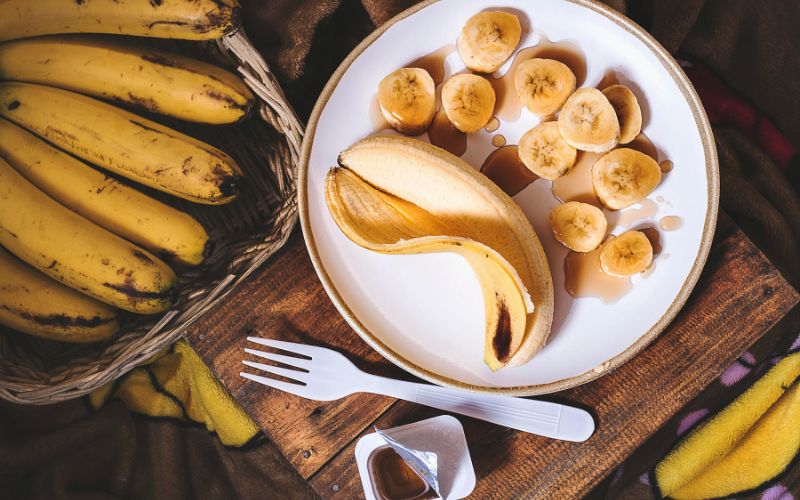
If you sliced the bananas, arrange the pieces in a single layer on a parchment-lined tray and freeze until firm. This prevents them from clumping together in one solid block, so you can remove only the amount needed for smoothies, oatmeal, or other recipes.
Step 4: Transfer to a Freezer-Safe Container
Move the firm banana pieces, whole peeled bananas, or mashed portions into an airtight freezer bag or covered container. Remove as much excess air as practical, label the package with the date, and portion the fruit according to how much you usually use at one time.
Step 5: Freeze and Use According to Purpose
Store the bananas in the freezer until needed. When learning how to freeze bananas for banana bread, whole bananas can be especially convenient because recipes often specify a certain number of bananas.
Thaw them before baking, then mash and drain excess liquid if the recipe would otherwise become too wet.
4. How Long Do Frozen Bananas Last?
Frozen bananas usually taste best when used within 3 to 6 months.
They may remain usable for longer if continuously frozen, but their texture and flavor can gradually decline over time.
- Best quality (0-3 months): This is the ideal window for smoothies, baking, and desserts because the bananas generally keep a stronger flavor, better sweetness, and a more pleasant texture.
- Longer storage (6 months+): Bananas can still be kept beyond six months when properly frozen, but freezer burn, dryness, and flavor loss become more noticeable. For better recipe results, use older frozen bananas sooner rather than later.
>>> Read More: How to Steam Broccoli: Pointers for Stovetop, Microwave, and No Steamer Methods
5. FAQs about Freezing Bananas
Freezing bananas can be straightforward, but ripeness, storage method, and thawing all affect the final texture and flavor. These common questions cover what works well, what to avoid, and how to keep frozen bananas convenient for future recipes.
Can you freeze green bananas?
Yes, but green bananas are firmer, starchier, and noticeably less sweet than ripe ones. They can be frozen, though their flavor and texture may not work as well for smoothies or baking. Letting them ripen first usually gives better results.
Can you freeze bananas in a Ziploc bag?
Yes. Place peeled bananas, slices, or mashed portions in a freezer-safe Ziploc bag and press out as much air as possible before sealing. For sliced bananas, freezing them on a tray first helps keep the pieces from sticking together.
Can you refreeze thawed bananas?
Yes, if they were thawed safely in the refrigerator. USDA states that food thawed in the refrigerator can generally be refrozen, although some quality may be lost because of moisture loss during thawing. For best texture, however, using thawed bananas directly in smoothies or baking may be preferable.
Do frozen bananas lose their sweetness?
Frozen bananas generally keep most of their natural sweetness because freezing does not remove the sugars developed during ripening. Over time, however, freezer burn or poor packaging can dull the flavor. Airtight storage helps preserve their taste more effectively.
How to freeze ripe bananas?
Peel ripe bananas before freezing, then prepare them according to how you plan to use them later. Slice them for smoothies, leave them whole for flexible recipes, or mash and portion them for baking. Store them in airtight, freezer-safe packaging and label the date.
6. Final Thoughts
Freezing ripe bananas is a simple way to cut food waste and keep fruit ready for smoothies, baking, or quick snacks. The best approach to how to freeze bananas depends on how you plan to use them later, whether sliced, whole, or mashed. Proper preparation and airtight storage also help preserve flavor and prevent pieces from clumping together.
For more practical everyday tips, explore TAG Mobile now!
- Share This:
-

-

-

-

-



About the author
