

How to Polish Shoes for a Clean, Lasting Shine Performance
A good shine starts long before the final buff. Getting how to polish shoes right is about working with the leather rather than simply adding more product: clean away surface dirt, build polish in light layers, and give each step time to do its job. Done well, polishing can revive faded color, create a richer finish, and help your favorite leather shoes stay presentable through everyday wear.
1. What You Need to Polish Shoes at Home
Good results start with a small set of basic shoe-care tools rather than an oversized kit. If you are also wondering how to shine shoes without polish, gentle brushing and buffing can improve appearance, although dedicated leather-care products usually provide more consistent protection and shine.
| Tool | Suggested Quantity |
| Horsehair or soft shoe brush | 1 |
| Soft cotton cloths | 2-3 |
| Leather cleaner | 1 |
| Leather conditioner | 1 |
| Matching shoe polish | 1 |
| Small applicator brush or cloth | 1 |
| Clean water | Small amount |
| Shoe trees or crumpled paper | 1 pair |
2. How to Polish Shoes Step by Step (Basic Shoes)
Smooth leather responds best when cleaning, conditioning, polishing, and buffing happen in the right order. Following a consistent process for how to polish shoes also reduces uneven color, excess wax, and streaky finishes.
Step 1: Remove the Laces and Prepare the Shoes
Take out the laces so polish does not stain them or collect around the eyelets. Insert shoe trees or lightly stuff the shoes with paper to help them hold their shape while you work. Place everything on a protected surface before beginning.
Step 2: Brush Away Surface Dirt
Use a clean horsehair or soft shoe brush to remove dust, dried mud, and debris from the leather. Pay attention to seams, welt edges, and creases where dirt often collects. Starting with a clean surface prevents grime from becoming trapped beneath the polish.
Step 3: Wipe and Condition the Leather
Gently wipe the surface with a slightly damp soft cloth if additional cleaning is needed. Once dry, apply a small amount of leather conditioner in a thin layer and allow it to absorb before polishing. Conditioning helps keep smooth leather supple and reduces dryness.
Step 4: Apply a Thin Layer of Polish
Choose a polish that matches the shoe color, then pick up a small amount with a clean cloth. Work it into the leather using small circular motions, covering the surface evenly. Thin applications are easier to control and less likely to leave heavy buildup.
Step 5: Let the Polish Set
Give the polish enough time to dry before buffing. Clarks recommends allowing its polishing layer to dry for around 20 minutes during a full polish routine. Drying lets the product settle onto the leather so the next buffing step can develop a cleaner shine.
Step 6: Buff Until the Shine Appears
Brush the shoes briskly with a clean horsehair brush or buff them with a soft cloth. Use light, quick movements rather than heavy pressure. Continue until excess polish disappears and the leather develops an even sheen, then repeat with another very thin layer only if more shine is needed.
>>> Also read: How to Stop Shoes From Squeaking Without Damaging Them
3. How to Polish Leather Shoes Without Overdoing It
Smooth leather benefits from maintenance, but heavy product buildup can leave the surface dull or stiff. When considering how to clean leather shoes without polish, focus first on removing dirt and restoring moisture rather than automatically adding another layer of wax.
Step 1: Start With Dry Brushing
Brush the entire shoe gently to lift dust and loose debris before adding moisture or treatment. Work around seams, creases, and the edges of the sole carefully. Frequent dry brushing can keep lightly worn shoes presentable without requiring polish after every use.
Step 2: Clean Only Where Necessary
Use a suitable leather cleaner or a lightly damp cloth for marks that brushing cannot remove. Avoid soaking smooth leather, since too much moisture can affect its appearance and shape. Test unfamiliar cleaning products on a hidden area first to check for discoloration.
Step 3: Condition in a Light Layer
Apply a small amount of leather conditioner with a clean cloth, spreading it evenly rather than saturating the surface. Conditioning restores some moisture and helps prevent leather from becoming brittle. Allow the product to absorb according to its instructions before deciding whether additional treatment is necessary.
Step 4: Buff Before Adding More Product
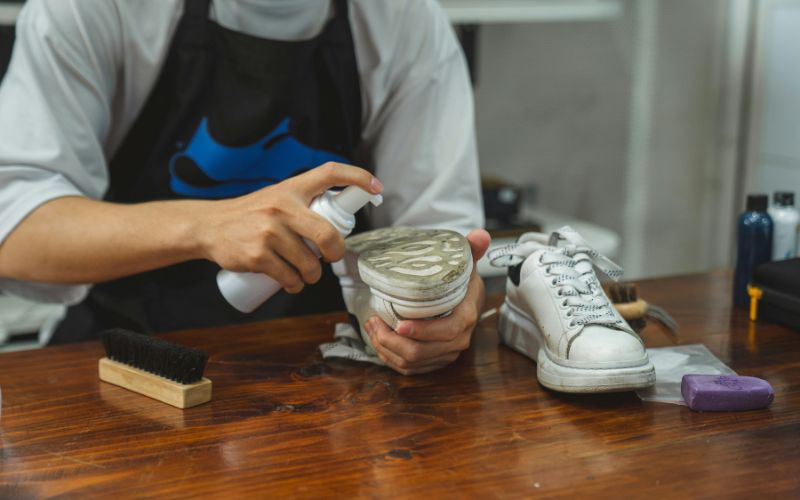
Once the leather is clean and conditioned, buff it with a fresh soft cloth or brush. You may find that the natural sheen returns without extra polish. Adding product only when the finish truly needs it helps prevent unnecessary buildup and keeps the leather looking more natural.
Step 5: Reserve Wax for Extra Shine
Wax polish works best when you specifically want more gloss, color enhancement, or surface protection. Apply very thin coats instead of one heavy layer, concentrating extra wax mainly on firmer areas such as the toe and heel rather than flex points that crease repeatedly.
>>> Also read: How to Stop Shoes From Blistering Heels: Easy Prevention Tips
4. How Often Should You Polish Your Shoes?
Regular brushing is usually more useful than applying heavy polish after every wear. For anyone learning how to polish shoes, a practical routine is to brush away dirt after use, condition smooth leather roughly every few weeks as needed, and apply wax polish less frequently, such as every one or two months. Excessive wax buildup can dull the finish and crack around flex points.
5. FAQs About Polishing Shoes
Small technique changes can affect both the final shine and the condition of the leather. These answers cover several common questions about tools, drying time, new shoes, and combining different shoe-care products.
Can you polish shoes with a toothbrush?
Yes, a clean, soft toothbrush can help apply polish around seams, eyelets, welt edges, and other areas that are difficult to reach with a cloth. For buffing the larger leather surface, however, a horsehair brush or soft polishing cloth usually gives a smoother and more even finish.
How long should shoe polish sit before buffing?
Drying time depends on the polish, but many products should sit for several minutes before buffing. Clarks recommends allowing a polish layer to dry for around 20 minutes in its full shoe-polishing routine, while specific product directions should always take priority.
Should you polish new leather shoes?
New smooth-leather shoes can be polished before their first wear if you want extra shine or surface protection. Clarks specifically recommends polishing new polishable leather footwear, although you should first confirm that the material is suitable and test the product on an inconspicuous area.
Can you mix different brands of shoe polish?
Using different brands is generally possible when the products are intended for the same type of smooth leather and have compatible colors. Test each product on a hidden spot first, avoid layering incompatible treatments too heavily, and let one product dry properly before applying another.
Final Thoughts
A lasting shine comes from treating the leather well, not simply using more polish. Once you know how to polish shoes, focus on regular cleaning, light applications, and thorough buffing to maintain both color and finish.
Choose products suited to the leather, avoid unnecessary buildup, and give your shoes a little attention between wears. The result is footwear that looks polished, feels well cared for, and lasts longer.
If you enjoy simple, practical guides that answer everyday questions, the TAG Mobile blog is another useful resource to explore. Its articles cover mobile devices, wireless service, connectivity, and other topics designed to make everyday life a little easier.
- Share This:
-

-

-

-

-



About the author
