

What Is a Chargeback? Where the Money Goes and What Happens Next
Payment disputes can be confusing, especially when a card transaction is reversed after a purchase has already gone through. If you are asking what is a chargeback, it refers to a payment reversal initiated through the cardholder’s bank after a disputed transaction.
The process can affect consumers and merchants differently. Payment processors may also be affected depending on the circumstances. The outcome depends on the reason for the claim, the available evidence, and the final decision.
1. What Is a Chargeback in Banking?
What is a chargeback? In banking, a chargeback is a reversal of a card transaction initiated through the cardholder’s bank after the customer disputes a purchase.
Common reasons include unauthorized charges and goods that never arrived. Duplicate billing and products or services that were not provided as promised can also lead to a chargeback.
Once a dispute is filed, the bank reviews the claim and may temporarily return the funds while the case is investigated.
The merchant can respond with evidence, and the final outcome determines who keeps the money.
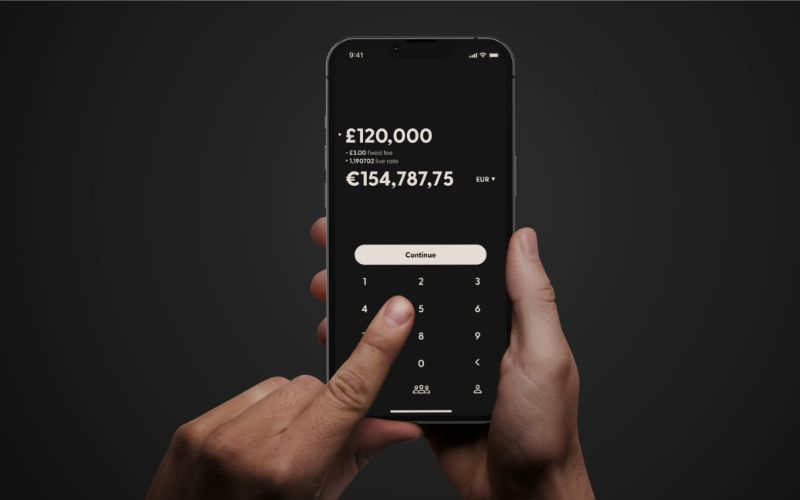
2. How Does the Chargeback Process Work?
The chargeback process usually begins when a cardholder disputes a transaction with their issuing bank. For anyone asking what is a credit card chargeback, the bank reviews the claim and assigns a reason code.
It may also issue a temporary credit while sending the dispute through the card network to the merchant’s acquiring bank.
The merchant can then accept the chargeback or challenge it with supporting evidence.
After reviewing both sides, the banks and card network determine whether the funds stay with the customer or are returned to the merchant.
3. Chargeback vs. Refund: What’s the Difference?
Both chargebacks and refunds can return money to a customer, but the path to that outcome is very different.
A refund is handled directly between the customer and merchant, while a chargeback brings the cardholder’s bank and payment network into a formal dispute process.
| Factor | Chargeback | Refund |
|---|---|---|
| Who Starts It | The cardholder usually disputes the transaction through their issuing bank. | The customer requests repayment directly from the merchant, or the merchant initiates it voluntarily. |
| Who Handles It | The issuing bank, acquiring bank, card network, payment processor, and merchant may all become involved. | Mainly handled between the merchant and customer through the original payment method. |
| Common Reasons | Fraud, unauthorized transactions, duplicate charges, undelivered goods, or unresolved merchant disputes. | Returns, cancellations, defective products, incorrect orders, or mutually agreed customer-service resolutions. |
| Process | Follows a formal dispute procedure in which the merchant may submit evidence to challenge the claim. | Usually follows the merchant’s return or cancellation policy without a formal bank investigation. |
| Money Movement | Funds may be removed from the merchant during the dispute, sometimes with an additional chargeback fee. | The merchant voluntarily sends the approved amount back to the customer. |
| Merchant Impact | Can increase dispute rates, create fees, and potentially affect the merchant’s payment-processing relationship. | Generally has less impact on payment-processing standing than a chargeback. |
| Resolution Time | May take weeks or longer because multiple parties review the dispute and supporting evidence. | Often faster, although the time for funds to appear depends on the merchant, processor, and bank. |
| Best First Step | Usually appropriate when a legitimate dispute cannot be resolved with the merchant or the transaction is unauthorized. | Generally the better first option for ordinary returns, cancellations, or service problems that the merchant can resolve directly. |
>>> Read More: What Banks Can I Get Cash Off My EBT Card Safely Now?
4. What Evidence Can Help With a Chargeback?
Strong documentation can make it easier for a merchant to explain what happened and respond to a disputed transaction.
When reviewing what is a chargeback, it also helps to understand that the outcome often depends on whether the seller can provide clear, relevant evidence that matches the reason for the dispute.
- Proof of delivery: Tracking information or delivery confirmation can help show that the customer received the order.
- Order and transaction details: Keep invoices, receipts, and order confirmations related to the disputed sale.
- Customer communication: Emails and support records can help show what happened before the dispute.
- Product or service description: Keep a copy of the original listing or item description.
- Refund or cancellation policy: Clearly displayed return and refund terms can support the merchant’s response.
- Proof of service completion: For services or digital products, records showing that the customer received or used the service can be helpful.
- Customer authorization records: Signed agreements or billing authorization can help connect the cardholder to the transaction.
- Previous transaction history: Records of earlier successful purchases from the same customer may provide additional context, particularly when consistent account or delivery information is available.
5. Monitor Transactions & Dispute Fraudulent Charges Instantly via Mobile Banking
Mobile banking has become a practical way to check transactions, receive payment alerts, and manage financial activity without visiting a branch. Keeping a smartphone connected can therefore help with everyday banking tasks. You can review account activity and respond quickly when an unfamiliar charge appears.
The Lifeline Program is a federal benefit designed to make phone or internet service more affordable for qualifying low-income consumers. Lifeline follows a strict one-household rule. Only one supported service is permitted per household, even when multiple people in the household individually meet the eligibility requirements.
TAG Mobile is a U.S. wireless provider and an eligible telecommunications carrier that participates in Lifeline.
Eligible customers can use TAG Mobile to access Lifeline-supported wireless service. Depending on the offer and location, benefits may include unlimited talk and text and up to 16GB of data. Nationwide 5G+/4G LTE coverage and international calling may also be available. Free or discounted devices may also be offered.
Here’s how you can get the free phone services:
- Confirm your eligibility: Qualify through an approved government assistance program or by meeting the applicable Lifeline income requirements.
- Enter your ZIP code: Start by checking whether TAG Mobile Lifeline service and available device offers are available in your area.
- Provide the required information: Complete the application with your identity, household, and eligibility details.
- Upload supporting documents if requested: Submit clear and current proof of eligibility or identity when additional verification is necessary.
- Complete Lifeline verification: Your information must be reviewed and approved before the Lifeline benefit can be applied.
- Review available device options: Eligible applicants can check the free or discounted phones currently offered for their location. Device selection may vary.
- Submit the application: Review all information carefully, especially your contact details and shipping address, before completing enrollment.
- Allow time for processing and shipping: TAG Mobile’s qualification page states that once an order is approved, the device will ship within 7-10 business days.
- Receive and activate the phone: Once the device arrives, follow TAG Mobile’s activation instructions to begin using the Lifeline-supported wireless service.

Note: Eligibility varies by state and program. Offers depend on availability and qualifications. TAG Mobile operates under the federal Lifeline Program as an Eligible Telecommunications Carrier (ETC). Service is non-transferable and limited to one service per household.
6. FAQs About Chargebacks
Chargebacks involve several terms and outcomes that can be easy to confuse, especially when banks, merchants, and card networks are all involved.
What is a chargeback fee?
A chargeback fee is a fee that a merchant may have to pay when a customer successfully initiates a chargeback through their bank.
The amount varies by payment processor or acquiring bank and may apply even when the merchant later challenges the dispute.
Is a chargeback the same as a dispute?
Not exactly. A dispute is the cardholder’s complaint about a transaction, while a chargeback is the formal reversal process that may follow after the issuing bank reviews the claim.
Can a chargeback be denied?
Yes, a chargeback can be denied if the bank determines that the claim does not meet the required criteria or if the merchant provides convincing evidence that the transaction was legitimate.
In that case, any temporary credit previously given to the cardholder may be removed.
What happens if you file a false chargeback?
Filing a knowingly false chargeback can have serious consequences because it may be treated as chargeback fraud or friendly fraud.
The claim can be denied, the account may face restrictions or closure, and the merchant could pursue repayment or further action depending on the circumstances.
What is a chargeback on a credit card?
A credit card chargeback is a reversal of a card transaction requested through the cardholder’s issuing bank after a purchase is disputed.
If the claim is approved, the transaction amount is returned to the cardholder, and the funds are generally taken back from the merchant through the payment network.
7. Final Thoughts
Chargebacks offer cardholders a way to challenge certain transactions, but they are not simply another form of refund. Once you know what is a chargeback, it becomes easier to see why evidence, deadlines, and valid dispute reasons play such an important role in the outcome.
Whether you are a consumer or merchant, keeping clear records and responding promptly can make payment disputes far easier to navigate.
- Share This:
-

-

-

-

-

About the author
