

What Can You Buy With EBT in Alabama? Full List in 2026
SNAP benefits can help households cover many grocery basics, but not every item in a store qualifies for EBT payment.
If you are learning what can you buy with EBT in Alabama, it helps to separate eligible foods from restricted products before checkout. Let’s read on for the full 2026 list, common exclusions, and practical ways to check balances, compare stores, and plan smarter shopping trips.
1. What Can You Buy With EBT in Alabama?
Grocery planning becomes easier when families know which foods qualify before reaching checkout. For anyone wondering what can you buy with EBT in Alabama, eligible items generally include everyday groceries that can be prepared, stored, or eaten at home.
- Staple foods: EBT covers many grocery essentials, including fruits, vegetables, meat, poultry, and fish, helping households prepare meals at home.
- Dairy & bakery items: Milk, cheese, yogurt, bread, and cereals are generally eligible and can support everyday meals and snacks.
- Pantry staples: Rice, pasta, beans, flour, and canned goods are commonly covered and can help stretch food budgets over time.
- Other food items: Baby food, formula, snack foods, bottled water, juice, and many non-alcoholic beverages may qualify under SNAP rules.
- Gardening items: Seeds and food-producing plants can be purchased with EBT, allowing households to grow their own fruits, vegetables, or herbs.
2. What You Can’t Buy With EBT in Alabama
Not every item in a grocery store or convenience store qualifies for SNAP payment, even if it is sold near eligible foods.
Alabama EBT users should separate restricted products before checkout to avoid declined transactions or the need for a second payment method.
- Hot or prepared foods: EBT generally cannot be used for hot deli items, restaurant meals, or ready-to-eat foods intended for immediate consumption.
- Alcohol and tobacco: Beer, wine, liquor, cigarettes, vape products, and other tobacco items are not eligible for SNAP purchases.
- Vitamins, medicines, and supplements: SNAP does not cover medications, vitamins, supplements, or products labeled with supplement facts.
- Non-food household items: Pet food, cleaning supplies, paper products, toiletries, cosmetics, and most other household goods are not covered by EBT.
3. Where Can You Use Your EBT Card in Alabama?
Alabama EBT works at approved retailers that sell SNAP-eligible food, but acceptance can vary by store type and payment setup. Before shopping, it helps to know which locations usually accept the card and which purchases may need another payment method.
Grocery Stores
Grocery stores are the most common places to use an Alabama EBT card. Major supermarkets and local food retailers often accept SNAP for eligible items such as produce, meat, dairy, bread, cereal, rice, pasta, and canned goods.
For shoppers asking what can you buy with EBT in Alabama, grocery stores usually offer the widest range of approved foods. Still, hot prepared meals, alcohol, household products, and personal care items must be paid for separately.
Farmers Markets
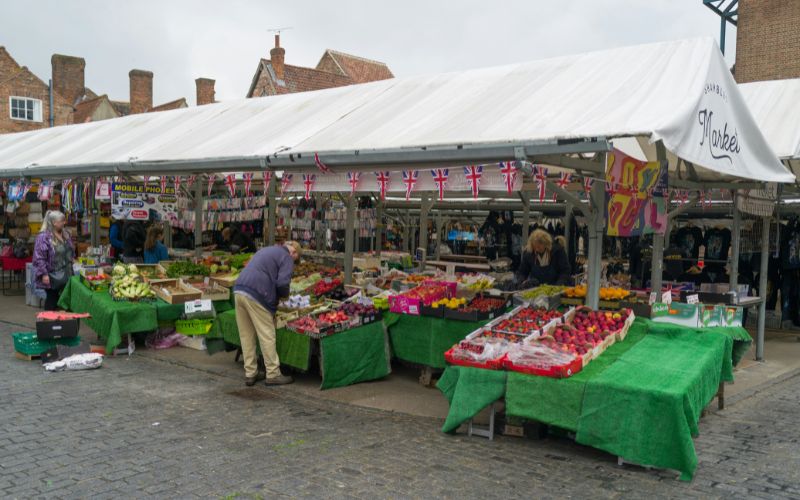
Many farmers’ markets accept EBT, giving families access to fresh fruits, vegetables, herbs, and other locally sold food items. Some markets use tokens or vouchers, so shoppers may need to swipe their card at a central booth first.
This option can be helpful for buying seasonal produce and supporting local growers. Before visiting, check the market’s SNAP policy, operating hours, and whether any matching programs are available.
Convenience Stores
Approved convenience stores may accept EBT for eligible packaged foods, snacks, bottled drinks, dairy items, bread, cereal, and simple grocery basics. These locations can be useful when a full supermarket is not nearby or when families need quick items.
However, not everything inside a convenience store qualifies. Fuel, tobacco, alcohol, hot foods, cleaning products, and hygiene items are not covered, so separating eligible purchases can make checkout easier.
Online Retailers That Accept SNAP
Some approved online retailers allow SNAP users to pay for eligible groceries with EBT, depending on location, delivery coverage, and store participation. This can help families order pantry staples, fresh foods, and household grocery items more conveniently.
Delivery fees, tips, service charges, and non-food products usually require another payment method. Before placing an order, review which items are SNAP-eligible and confirm that EBT payment is available for your Alabama address.
>>> Read More: How EBT Apps Help Users Manage SNAP Benefits in 2026
4. Common Shopping Mistakes Alabama SNAP Recipients Make
Stretching SNAP benefits is easier when shoppers plan beyond the next checkout total. Small choices, such as comparing prices, checking balances, and choosing flexible ingredients, can make Alabama EBT funds last longer throughout the month.
Buying Convenience Foods Too Often
Packaged snacks, single-serve meals, and ready-to-eat grocery items can be useful in busy weeks, but they often cost more per serving.
Relying on them too often may reduce how far benefits stretch. Choosing simple staples like rice, beans, eggs, frozen vegetables, and canned proteins can help families prepare more meals with the same budget.
Ignoring Unit Pricing
A larger package is not always the better deal, and a sale price does not always mean real savings.
Unit pricing shows the cost per ounce, pound, or serving, making it easier to compare brands and sizes. Checking this small detail can help shoppers choose better-value items and avoid spending more for less food.
Missing Farmers Market Savings
Some Alabama shoppers may overlook farmers’ markets because they assume EBT is only for grocery stores.
Many markets accept SNAP, and some may offer matching programs that increase the value of produce purchases. Checking local market rules can help families access fresh fruits, vegetables, herbs, and seasonal foods at a better overall value.
Forgetting to Check the Remaining Balance
Shopping without checking the remaining EBT balance can lead to declined payments or last-minute item removal at checkout.
Reviewing the balance before making a grocery list helps families plan more accurately. Cardholders can check online, by phone, through receipts, or with available account tools before heading to the store.
5. Staying Connected Helps You Get More From SNAP
Strong phone access can help SNAP households check balances, compare grocery prices, upload documents, receive notices, and manage benefit updates before small issues become bigger delays. For families using EBT regularly, a working phone is often part of keeping food support organized.
The Lifeline Program helps eligible low-income households lower the cost of monthly phone service or internet service. Alabama residents can qualify too.
On another hand, as Lifeline’s Eligible Telecommunications Carrier (ETC), TAG Mobile delivers the wireless service associated with Lifeline benefits and may also offer available device options and communication features.
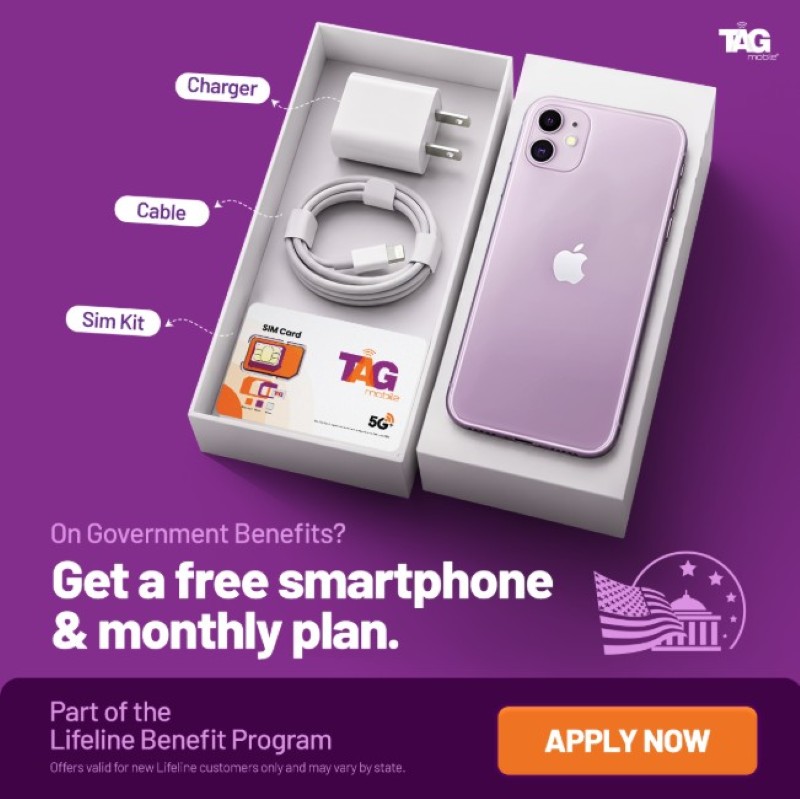
Eligible SNAP participants can usually complete the application online in just a few steps below:
- Check SNAP eligibility: SNAP is a qualifying program for Lifeline. Have a benefits letter or other proof available in case verification is needed.
- Visit TAG Mobile online: Enter your ZIP code on the TAG Mobile website to check service availability in your area.
- Review available plans: Compare plan features such as talk, text, data, Wi-Fi calling, voicemail, and other communication tools.
- Explore device options: Eligible applicants may see available phones or tablets, depending on location, approval status, and current inventory.
- Complete the application: Provide your personal information and eligibility details, then upload documents if requested.
- Track approval and delivery: Monitor application updates after submission. Approved orders are often delivered within approximately 7-14 business days and include activation instructions.
Note: Eligibility varies by state and program. Offers depend on availability and qualifications. TAG Mobile operates under the federal Lifeline Program as an Eligible Telecommunications Carrier (ETC). Service is non-transferable and limited to one service per household.
6. Final Words
Clear grocery choices help Alabama SNAP households use benefits more confidently and avoid confusion at checkout. Eligible items may include produce, proteins, dairy, pantry staples, baby food, non-alcoholic drinks, and food-producing seeds or plants, while hot meals, alcohol, tobacco, supplements, and household products require another payment method.
Knowing what can you buy with EBT in Alabama also helps families compare stores, check balances, and choose better-value groceries. For households that need mobile access to benefit tools, grocery apps, and account updates, TAG Mobile can help with Lifeline-supported service and available device options.
- Share This:
-

-

-

-

-


About the author
