

Can Medicaid Take Life Insurance from Beneficiary? Fact Check
Questions about estate recovery often lead families to ask, can Medicaid take life insurance from beneficiary, and what protections apply. The answer depends on policy type, ownership, beneficiary designation, and state rules.
In many cases, payouts go directly to beneficiaries, but some situations may still involve estate recovery.
1. What Is Medicaid Estate Recovery (MERP)?
Medicaid Estate Recovery (MERP) is a program that allows states to recover certain healthcare costs paid on behalf of a Medicaid recipient after their death. It primarily applies to long-term care services, including nursing home care, home- and community-based services, and related medical expenses. Instead of collecting payment while the person is alive, the state seeks reimbursement from the individual’s estate once they pass away.
Recovery may involve assets such as a home, savings, or other property, depending on state-specific rules. However, important protections are in place, especially when a surviving spouse, minor child, or disabled dependent is involved.
While MERP can affect estate planning decisions, its purpose is to help sustain Medicaid funding and ensure continued support for future beneficiaries who rely on these essential services.
2. Can Medicaid Take Life Insurance From Beneficiary?
Medicaid generally cannot take life insurance proceeds directly from a named beneficiary because the payout typically passes outside of the estate. Many people ask can Medicaid take your life insurance from your beneficiary, and in most cases, the answer is no if a valid beneficiary is clearly designated.
Since estate recovery usually applies only to assets within the estate, life insurance benefits paid directly to a beneficiary are often protected. However, if no beneficiary is named or the estate is listed as the beneficiary, those funds may become subject to recovery under state rules.
>>> Read More: Medicaid Planning Made Simple for Individuals and Families
3. What Happens to Life Insurance After Death?
Life insurance payouts are handled differently depending on how the policy is structured and who receives the benefit.

If Paid to a Beneficiary
When a life insurance policy names a specific beneficiary, the payout is typically sent directly to that individual. In most cases, these funds do not go through probate and are not considered part of the estate. Because of this, the benefit is generally protected and not subject to Medicaid estate recovery.
This allows beneficiaries to receive the full amount quickly and use it for expenses such as funeral costs or financial support. As long as the designation is valid and up to date, the payout remains separate from estate assets and is not used to repay Medicaid.
If Paid to the Estate
If the estate is named as the beneficiary, the life insurance payout becomes part of the estate and must go through probate. In this situation, the funds may be used to pay outstanding debts before being distributed to heirs. This can include claims under Medicaid estate recovery.
Since the money is treated as an estate asset, it may be used to reimburse Medicaid for long-term care costs.
4. Why Managing Medicaid and Finances Requires Staying Updated
Managing Medicaid and your finances requires staying informed because eligibility rules, benefits, and program requirements can change over time. Missing an update or renewal deadline could mean losing access to essential services, including healthcare and communication support that many people rely on every day.
In addition, staying updated may help you find other benefits connected to Medicaid eligibility, such as the Lifeline Program. Eligible households can receive discounts on phone or internet services through participating providers like TAG Mobile.
To turn Medicaid eligibility into real benefits, it is important to follow the application process in the right order and check availability based on your location.
- Check your eligibility based on income or participation in programs such as Medicaid, SNAP, or SSI
- Prepare proof of income or program participation in case verification is required
- Visit TAG Mobile’s website and enter your ZIP code to check service availability
- Select a suitable Lifeline plan and review available device options if offered in your area
- Enter your personal information and upload documents if automatic verification does not go through
- Review all details carefully, then submit your application
- Once approved, your device is typically delivered within 7-10 business days with activation instructions included
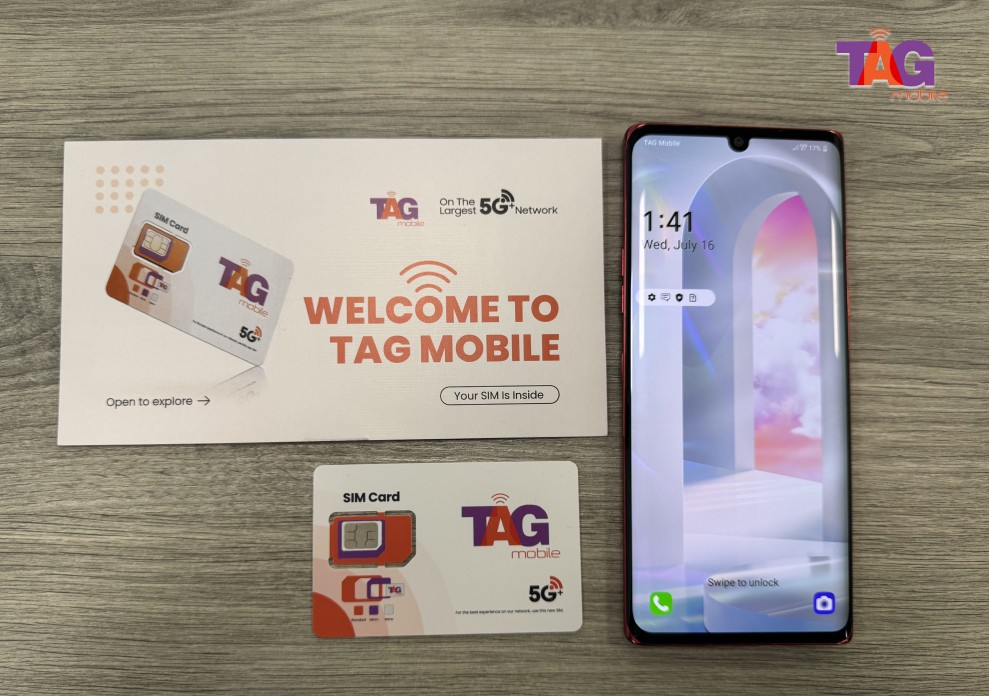
Note: Eligibility varies by state and program. Offers depend on availability and qualifications. TAG Mobile operates under the federal Lifeline Program as an Eligible Telecommunications Carrier (ETC). Service is non-transferable and limited to one service per household.
5. FAQs About Medicaid and Life Insurance
Concerns around Medicaid and life insurance often center on how benefits are handled after death and whether any funds may be subject to recovery.
Can Medicaid claim life insurance after death?
Medicaid usually cannot claim life insurance proceeds paid directly to a named beneficiary. These funds bypass the estate and are not subject to recovery. However, if the estate is the beneficiary, the payout may be used to repay Medicaid.
Does Medicaid recovery happen automatically?
Medicaid recovery does not happen immediately or without review. The state evaluates the estate after death to determine eligibility for recovery. Claims are handled through a legal process, often during probate, based on state rules.
How much money can you have in your bank account if you get Medicaid?
Asset limits depend on the state, but individuals typically must keep resources below a set threshold. In many cases, this limit is around $2,000 for a single person. Some assets may be exempt, depending on Medicaid rules.
Is inherited life insurance considered income?
Inherited life insurance is usually not treated as taxable income for federal tax purposes. However, once the payout is received and kept in your bank account, it may be counted as an asset. This can affect Medicaid eligibility if your total resources exceed the allowed limits.
6. Final Thoughts
Planning ahead often means asking questions like can Medicaid take life insurance from beneficiary, especially when thinking about long-term financial security. The answer depends on policy type and state rules, so understanding the details can help you make smarter decisions. Staying informed is key, and with TAG Mobile’s Lifeline-supported plans, you can stay connected to the information and support you need without added costs.
- Share This:
-

-

-

-

-



About the author
