

How Much Does a SIM Card Cost? 2026 Price Guide & Fees
Knowing how much does a SIM card cost can help you plan your mobile expenses more effectively, especially when setting up a new phone or switching carriers. Prices can vary depending on the provider, type of SIM, and included services, so it’s important to explore your options carefully.
For more details, TAG Mobile offers helpful guidance on SIM options, activation, and affordable plans. Eligible users may even qualify for free SIM cards and discounted devices, making it easier to stay connected without high upfront costs.
1. How Much Does a SIM Card Cost?
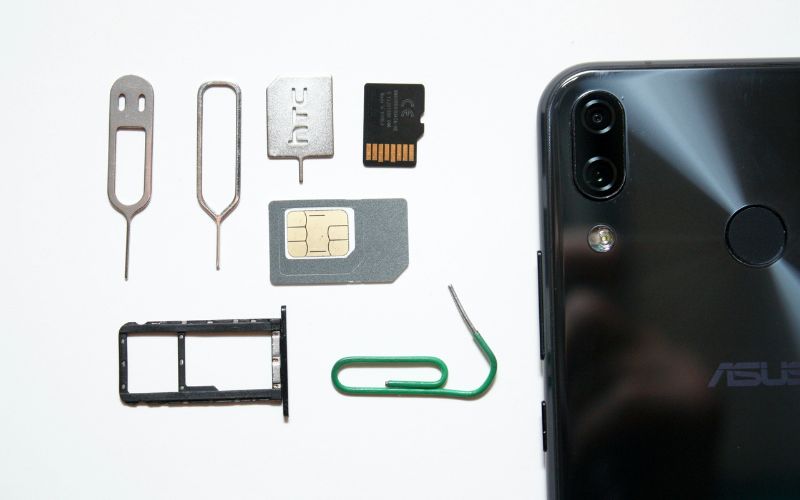
The cost of a SIM card in the United States is generally affordable, but it can vary depending on the provider and included services. If you’re wondering how much is a SIM card, the price is often minimal compared to the value it provides in connecting your device to a mobile network.
Average SIM Card Price in the United States
In most cases, SIM cards cost between $0 and $10, depending on the carrier and where you purchase them. Some providers charge a small fee for the SIM kit, while others offer it for free as part of promotions. If you’re asking, How much does an average SIM card cost?, the answer typically falls within this low price range, making it an accessible option for most users.
SIM Cards Included With Mobile Plans
Many mobile carriers include a SIM card at no extra cost when you activate a plan. This is especially common with Lifeline providers, which aim to make mobile service more affordable.
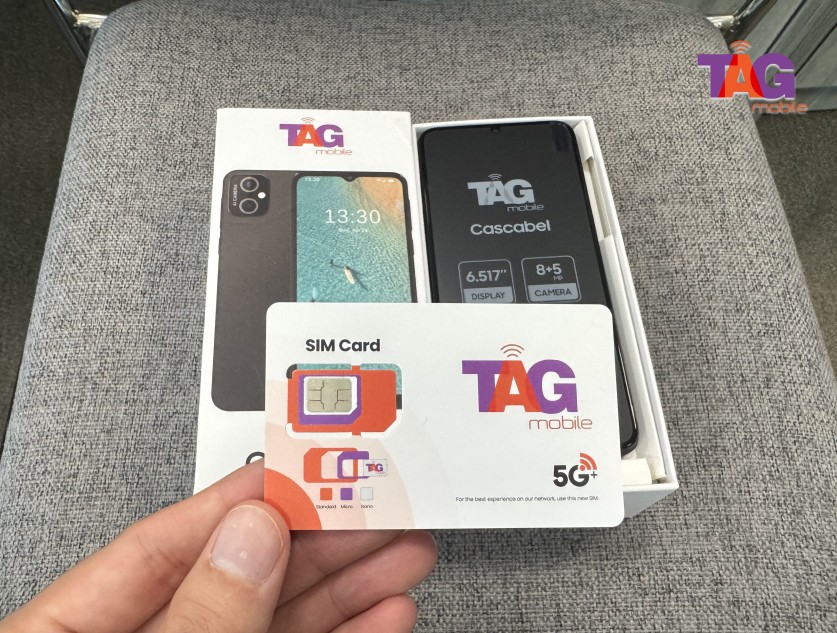
With TAG Mobile, qualified Lifeline users can receive a free SIM card or eSIM along with plans that include unlimited talk, text, and additional features. This makes it easier to get connected without worrying about upfront SIM costs.
2. Factors That Affect SIM Card Pricing
The price of a SIM card can vary depending on several key factors, not just the card itself. Understanding these elements can help you make a more informed decision and potentially save money.
Carrier and Plan Type
The mobile carrier and the type of plan you choose play a major role in determining the cost. Some providers charge a small fee for standalone SIM cards, while others include them for free when you activate a plan.
For example, prepaid plans may require a one-time SIM purchase, whereas certain programs bundle the SIM with service. When evaluating how much does a SIM card cost, it’s important to consider whether the price includes activation or ongoing benefits.
Retail Location
Where you buy your SIM card can also affect the price. Carrier stores may offer free SIM cards with activation, while electronics retailers or convenience stores might charge a small fee for prepaid SIM kits. Online providers sometimes include shipping promotions or bundle deals, making them a more cost-effective option. Comparing locations can help you find the best deal available.
Promotional Offers
Promotions and special offers can significantly reduce or eliminate the cost of a SIM card. Many carriers run limited-time deals that include free SIM kits, discounted plans, or bundled services. Lifeline providers, in particular, often offer free SIM cards to eligible users as part of their program.
Keeping an eye on these promotions can help you get connected without paying extra upfront costs.
>>> Read More: How Does a SIM Free Phone Work and Why You Might Want One
3. How to Get a SIM Card and Activate It With TAG Mobile
The Lifeline Program is a government-supported initiative in the United States that helps eligible individuals access affordable or free mobile services. Through participating providers, users can receive essential connectivity, including SIM cards, plans, and even devices at little to no cost.
Following a clear application process will help you get approved faster and start using your service without delays. Each step is simple, but completing them carefully ensures a smooth experience from start to finish.
Step 1: Verify Eligibility
You should begin by checking whether you qualify for the Lifeline Program based on your income or participation in assistance programs such as SNAP or Medicaid. This step can be completed independently through official eligibility tools, so you are not required to choose a provider right away.
It is also recommended that you prepare documents like proof of income or program participation in advance to avoid delays later.
Step 2: Apply Online At TAG Mobile
Once you confirm eligibility, the next step is to apply through a trusted provider like TAG Mobile. You can visit their website, enter your ZIP code to check service availability, and browse available plans in your area.
During this step, you can select a plan and choose a device option, which may include a free phone or SIM setup depending on availability. This is where you begin the process of receiving your Lifeline SIM card and related benefits.
Step 3: Fill out Personal Information and Upload Documents
At this stage, you will need to provide personal details such as your full name, address, date of birth, and identification information (for example, the last four digits of your Social Security Number or another valid ID). In many cases, the system can verify your eligibility automatically.
However, if verification is not completed instantly, you may be asked to upload supporting documents as proof of eligibility.
Step 4: Complete Application and Wait for Delivery
After filling in all required information, you should carefully review your application to ensure accuracy before submitting it for approval. Once approved, the provider will ship your SIM card or device directly to your address.
Delivery times may vary, but with TAG Mobile, you can typically expect to receive your package within 7-10 business days, along with instructions to help you activate your service quickly.
4. Tips Before Buying a SIM Card
Before buying a SIM card, it’s important to consider a few key factors to avoid compatibility issues and unnecessary costs. Taking time to review your options can help you choose a SIM that fits both your device and your usage needs.
- Check your phone’s SIM compatibility: Make sure your device supports the correct SIM size (nano, micro) or eSIM, and confirm that it works with your carrier’s network bands.
- Ensure your phone is unlocked: A locked phone may only work with a specific carrier, so verify that your device can accept other SIM cards before purchasing.
- Compare mobile plan costs: Review different plans to find the best balance between price, data allowance, and included features like international calling or hotspot usage.
- Look for free SIM promotions: Some providers offer free SIM cards or discounted activation, especially through programs like Lifeline for eligible users.
- Check network coverage in your area: Strong coverage ensures better call quality and faster data speeds, so it’s important to choose a provider with reliable service where you live or travel.
- Review activation and hidden fees: Some SIM cards may include activation fees or additional charges, so always read the details before buying.
- Consider your usage needs: Think about how often you use data, calls, and texts to select a plan that matches your daily habits without overspending.
5. Final Words
Understanding how much does a SIM card cost helps you make smarter choices when selecting a mobile plan or switching carriers. Costs can vary, but with the right provider, you can find options that fit both your needs and your budget. It’s also worth considering services that offer added value beyond just the SIM itself.
With TAG Mobile, you can explore affordable plans, reliable coverage, and even free SIM options for eligible users. This makes staying connected simple, cost-effective, and stress-free.
Notice: The government does not cover device costs, only basic service through Lifeline. Any free or discounted devices, upgrades, or top-ups are limited-time TAG Mobile offers and may vary by state, eligibility, and availability. Terms and conditions apply.
- Share This:
-

-

-

-

-


About the author
