

Does iPhone X Support eSIM? 5 Facts Before You Buy a Plan
If you’re wondering does iPhone X support eSIM, it’s important to know that this model does not include eSIM capability. Apple introduced embedded SIM technology starting with the iPhone XS lineup, which was released after the iPhone X.
As a result, the iPhone X only supports a physical nano-SIM card for cellular service and does not offer Dual SIM functionality through eSIM. While the device still performs well for everyday 4G LTE use, it cannot activate a digital SIM profile. For a clearer breakdown of which iPhone models support eSIM and what your options are, refer to the full guide from TAG Mobile below to learn more.
1. Does iPhone X Support eSIM?
The iPhone X uses a Nano-SIM card (4FF), which is the smallest standard physical SIM format used in most modern smartphones. Unlike newer iPhone models, it does not include built-in eSIM hardware.
Apple introduced embedded SIM functionality beginning with the iPhone XS, XS Max, and XR in 2018, so the iPhone X relies entirely on a traditional removable SIM card for carrier connectivity.
To connect to a mobile network, a physical nano-SIM must be inserted into the SIM tray located on the right side of the device. The tray can be opened using a SIM ejector tool or a small paperclip. Once the nano-SIM is properly inserted and activated by your carrier, the phone can access calls, SMS messaging, and mobile data services over 4G LTE.
Without an active nano-SIM installed, the iPhone X will not be able to connect to cellular networks, though Wi-Fi features will still function normally.
>>> Read More: Is A Free iPhone X Real Or Just A Scam? What You Should Know
2. What SIM Type Does iPhone X Use?
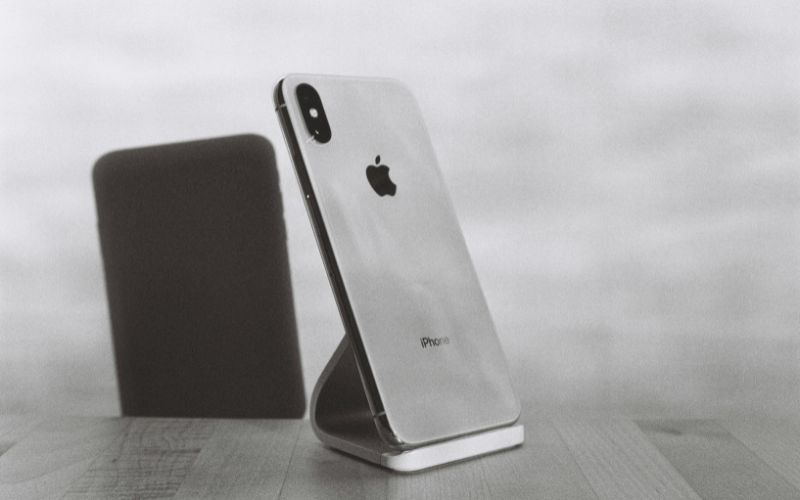
The iPhone X uses a Nano-SIM card (4FF), which is the smallest standard physical SIM format currently used in smartphones. It does not support eSIM technology, as Apple introduced embedded SIM functionality beginning with the iPhone XS, XS Max, and XR models released in 2018. Because the iPhone X lacks the required eSIM hardware, all carrier activation must be completed using a traditional removable SIM card.
To connect to a cellular network, the iPhone X requires a physical nano-SIM inserted into the SIM tray located on the right side of the device. The tray can be accessed using a SIM ejector tool or a small paperclip.
Once properly inserted and activated by your carrier, the nano-SIM enables voice calls, SMS messaging, and 4G LTE mobile data. Without an active nano-SIM installed, the iPhone X cannot access cellular services, although Wi-Fi functions will continue to work normally.
3. What If You Need eSIM Functionality?
If your current device does not support eSIM and you need digital SIM capability, upgrading to a newer iPhone model may be the most practical solution. Apple introduced eSIM starting with the iPhone XS, XS Max, and XR, and all newer models continue to support this feature. Moving to a compatible device allows you to activate service digitally without relying solely on a physical SIM card.
eSIM offers several benefits, including faster activation, easier carrier switching, and the ability to manage multiple lines on one phone. It can be especially useful for travel, separating work and personal numbers, or reducing the need to handle small physical SIM cards. Because the SIM profile is embedded in the device, setup is typically completed through a QR code or carrier app.
For eligible individuals, the federal Lifeline Program may provide access to discounted or free wireless service. TAG Mobile participates in Lifeline and supports eSIM activation on compatible devices.
In some cases, when you apply for a device through TAG and qualify, the phone may arrive with eSIM already activated, allowing you to power it on and begin using service immediately.
Read more: Free Government iPhone Yonkers NY: Get One at a $0 Cost
4. FAQs About iPhone X and eSIM
The iPhone X remains a popular device for many users, but questions about its SIM and network features are still common. If you’re wondering does iPhone X support eSIM, it’s important to understand the hardware limitations of this model. The information below explains clearly what the iPhone X can support in terms of SIM functionality and modern network compatibility, and what features were introduced in later iPhone generations.
Does iPhone X support dual SIM?
No, the iPhone X does not support Dual SIM functionality. It includes only one physical nano-SIM slot and does not have embedded eSIM hardware. Dual SIM capability was introduced later with the iPhone XS, XS Max, and XR lineup.
Can I convert a physical SIM to eSIM on iPhone X?
No, you cannot convert a physical SIM to eSIM on the iPhone X. Since the device lacks the internal eSIM chip, there is no way to digitally provision a second line. Even if your carrier supports eSIM, the hardware limitation prevents activation on this model.
Does iPhone X support 5G?
No, the iPhone X does not support 5G networks. It is limited to 4G LTE connectivity, which was the standard at the time of its release in 2017. Users who need 5G speeds or modern dual-SIM features would need to upgrade to a newer iPhone model.
5. Final Words
For anyone still wondering does iPhone X support eSIM, it’s important to remember that this model was released before Apple introduced embedded SIM technology. While the iPhone X continues to handle calls, text messaging, and 4G LTE data reliably, it does not provide the flexibility of digital SIM activation or Dual SIM functionality found in newer devices.
As mobile networks increasingly move toward eSIM and 5G support, upgrading to a more recent model may offer stronger long-term value and easier carrier switching. A compatible device can streamline activation and reduce setup steps when changing plans. If you’re considering an upgrade with flexible service options, explore the available devices and plans at TAG Mobile to stay connected with greater convenience and confidence.
Notice: The government does not cover device costs, only basic service through Lifeline. Any free or discounted devices, upgrades, or top-ups are limited-time TAG Mobile offers and may vary by state, eligibility, and availability. Terms and conditions apply.
- Share This:
-

-

-

-

-


About the author
