

How to Wash Pillows Without Ruining Their Shape or Filling
Pillows collect sweat, oils, dust, and everyday buildup that can affect freshness and comfort over time. This guide explains how to wash pillows without flattening the filling, damaging the fabric, or leaving moisture trapped inside.
You will learn how to check care labels, choose suitable washing methods for different materials, rinse thoroughly, and dry pillows correctly so they stay clean, supportive, and comfortable for longer.
1. Can You Wash Pillows? Check the Care Label First
Yes, many pillows can be washed safely, but the care label should always guide the method.
Synthetic and down-filled pillows are often machine washable, while memory foam, latex, gel, and pillows with electrical components usually require gentler cleaning because excess water or agitation can damage their structure.
2. How to Wash Pillows in the Washing Machine and by Hand
Cleaning pillows properly means matching the washing method to the filling and fabric rather than treating every pillow the same way. Machine washing works well for many washable designs, while hand washing offers more control for delicate or decorative pillows.
Washing Machine
Machine washing is suitable for many synthetic and down-filled pillows when the care label allows it. Gentle settings, mild detergent, and thorough drying are especially important because excess agitation, soap, or trapped moisture can leave the filling lumpy or encourage mildew.
- Remove the pillowcase or protector and check the care label before placing the pillow in the washer.
- Wash two compatible pillows together when possible to help balance the machine and reduce uneven spinning.
- Add a small amount of mild detergent instead of using the same quantity you would for a full clothing load.
- Select a gentle or delicate cycle with the water temperature recommended on the care label.
- Run an extra rinse if detergent remains trapped in the filling.
- Dry completely on low heat or an air setting when permitted, then fluff the pillow to redistribute the filling.
By Hand
Hand washing gives you better control over pressure and water exposure, making it useful for pillows that cannot tolerate heavy machine agitation. It can also work well when learning how to wash throw pillows, especially if the decorative cover or filling requires a gentler approach.
- Fill a clean basin or bathtub with lukewarm water and add a small amount of mild detergent.
- Submerge the pillow only if its care label allows full washing, then gently press the soapy water through the filling.
- Avoid twisting or aggressive scrubbing, which can distort the shape or damage delicate material.
- Drain the dirty water and rinse repeatedly with clean water until no detergent remains.
- Press out excess moisture gently without wringing the pillow.
- Lay it flat or dry it as directed on the care label, making sure the filling is completely dry before use.
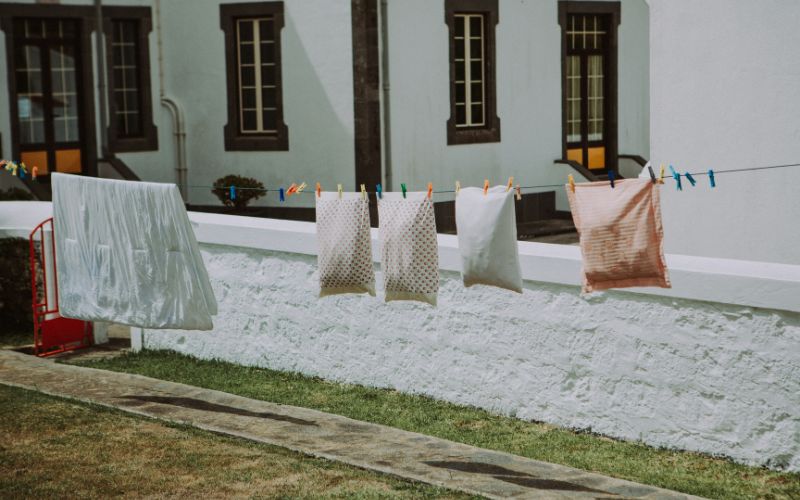
>>> Also read: How to Clean Microfiber Couch? A Safe Cleaning and Stain-Removal Guide
3. How to Wash Different Types of Pillows
Different pillow fillings require different cleaning methods, and Purdue University Extension recommends checking the care label before washing because some materials require special care.
Down and Feather Pillows
Down and feather pillows can often be machine washed if the care label allows it, but they need gentle handling to prevent clumping. When learning how to wash down pillows, use a mild detergent, select a delicate cycle, and avoid using too much soap because residue can remain trapped in the filling.
An extra rinse is useful for removing detergent completely. After washing, dry on low heat if permitted and pause the cycle several times to fluff the pillow. Make sure the filling is fully dry before use, since trapped moisture can create odors or mildew.
Polyester Pillows
Polyester pillows are generally easier to clean because the synthetic filling tolerates water and gentle agitation well. Place one or two pillows in the washer, use a small amount of mild detergent, and choose a gentle cycle with the temperature recommended on the care label.
Running an extra rinse can help prevent soap from remaining inside the filling. After washing, dry on low heat or use an air-dry setting if appropriate. Fluff the pillows during drying to redistribute the filling evenly, and continue until the center feels completely dry rather than just checking the outer fabric.
Memory Foam and Latex Pillows
Memory foam and latex pillows usually should not be placed in a washing machine because soaking and agitation can weaken, tear, or distort the foam. Remove any washable cover first and clean it separately according to its label.
For the pillow itself, use a lightly damp cloth with mild detergent to spot-clean stained areas, taking care not to saturate the material. Blot away excess moisture instead of wringing or twisting the foam. Leave the pillow in a well-ventilated area until it dries completely, and keep it away from strong direct heat that could damage its structure.
4. How to Dry Pillows Properly After Washing
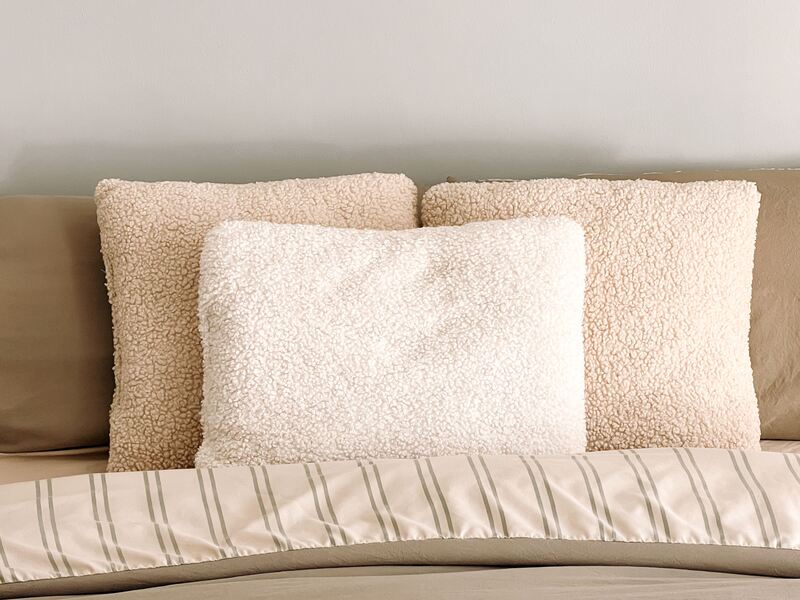
Drying is just as important as washing because trapped moisture can leave pillows lumpy, musty, or prone to mildew. After learning how to wash pillows, use a drying method that suits the filling and continue until the center is completely moisture-free.
- Remove excess water gently: Press the pillow between clean towels to absorb moisture without twisting or wringing the filling, which can distort its shape.
- Follow the care label: Check whether the pillow can go in the dryer or should be air-dried. Heat that is too high can damage synthetic fibers, foam, or delicate fabrics.
- Use low heat when permitted: Tumble-dry washable down, feather, or polyester pillows on a low setting. Higher temperatures may shrink fabric or damage the filling.
- Fluff during the drying cycle: Pause the dryer periodically and redistribute the filling by hand. This helps break up clumps and restores a more even, comfortable shape.
- Air-dry foam pillows: Memory foam and latex should generally dry naturally in a well-ventilated area rather than in a tumble dryer. Keep them away from strong direct heat.
- Check the center before use: Do not rely only on a dry outer surface. Press different areas of the pillow and continue drying if the filling feels cool, damp, heavy, or clumped.
5. How Often Should You Wash Your Pillows?
Bed pillows should generally be washed every three to six months to remove sweat, body oils, skin cells, dust, and other buildup that collects during sleep. Pillowcases need much more frequent washing, while the pillows themselves benefit from periodic deep cleaning to stay fresher, cleaner, and more comfortable over time.
6. Is It Time to Wash the Pillow or Replace It?
Washing every three to six months can remove buildup and refresh a pillow, but cleaning cannot restore support that has permanently broken down. Most pillows should be replaced about every one to two years, or sooner if they stay flat, lumpy, uncomfortable, or fail to regain their shape after fluffing.
7. FAQs about Pillow Washing
Pillow care often raises questions about machine washing, yellow stains, and what can safely go into the same load. Knowing how to wash pillows correctly helps you choose a method that cleans effectively without damaging the filling or changing the pillow’s shape.
Can you wash a pillow in the washing machine?
Yes, many down, feather, and polyester pillows can be machine washed if the care label allows it. Use a gentle cycle, mild detergent, and an extra rinse when needed, then dry the pillow completely before putting it back on the bed.
How do you clean yellow pillows?
Yellow pillows can often be refreshed by pretreating stained areas with a fabric-safe stain remover or mild detergent before washing. Follow the care label closely, avoid harsh bleach on delicate materials, and repeat the treatment if discoloration remains after the first wash.
Why did my pillow turn yellow?
Yellowing usually comes from sweat, body oils, skincare products, moisture, and other residue that gradually builds up inside the fabric and filling. Regular pillowcase washing and periodic pillow cleaning can slow this discoloration over time.
Can you wash pillows with towels?
It is usually better to wash pillows with another pillow rather than heavy towels because towels can create an uneven load and add extra lint. If your washing machine requires balancing, two similar pillows generally provide a more even and gentle wash.
Final Thoughts
Fresh, supportive pillows last longer when cleaning methods match the filling and care instructions. Following how to wash pillows properly means using gentle detergent, thorough rinsing, careful drying, and avoiding excess heat or agitation.
TAG Mobile blog keeps practical household guidance easy to reach whenever you need it. Regular cleaning can improve freshness, while knowing when to replace worn pillows helps maintain better comfort over time.
- Share This:
-

-

-

-

-



About the author
